





Mindful Eating Pace
Consuming meals too rapidly can significantly impact your quest for a flatter stomach, often leading to more than just overeating. When you rush through
your food, your stomach may not have adequate time to send fullness signals to your brain, a process that typically takes around twenty minutes. This disconnect can cause you to ingest a greater quantity of food than your body truly needs. Furthermore, a hurried eating style often results in inadvertently swallowing excess air, a common precursor to uncomfortable bloating and a distended midsection. To combat this, a mindful approach is recommended: dedicate time to each meal, focus on thoroughly chewing your food, and savor each bite. This deliberate pace not only aids in better calorie management but also minimizes the air intake that contributes to abdominal discomfort, fostering a more serene digestive experience and a visually flatter abdomen.
Enhance Gut Motility
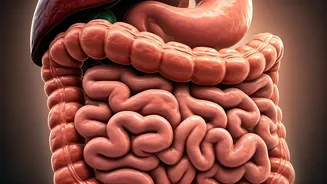
Experiencing persistent heaviness and puffiness in your abdominal area can often be attributed to sluggish bowel movements. When your digestive system isn't functioning optimally, waste can accumulate, leading to a feeling of fullness and a visibly distended belly. To promote regular and efficient gut function, it's crucial to focus on dietary choices that support regularity. Incorporating a generous amount of fiber-rich foods, such as a variety of fruits and vegetables, is paramount. Fiber acts as a natural bulking agent, aiding in the smooth passage of food through the digestive tract. Equally important is maintaining adequate hydration by drinking plenty of water throughout the day. Water is essential for softening stool and facilitating its movement. By prioritizing these elements in your daily diet, you can significantly improve your gut's motility, reduce discomfort, and contribute to a flatter, more comfortable abdominal profile.
Limit Sodium Intake
The quest for a sleeker midsection can be undermined by excessive consumption of salt and processed foods, which often harbor hidden sodium. When your body takes in too much sodium, it attempts to maintain a delicate fluid balance by retaining water. This excess water retention can manifest as temporary weight gain, particularly noticeable in the abdominal region, leading to a bloated appearance. To mitigate this effect, a conscious effort to reduce your intake of high-sodium items is highly recommended. This includes being mindful of snacks like chips, pre-packaged meals, and even condiments and sauces, which can be surprisingly high in sodium. By actively choosing fresh, whole foods and limiting processed options, you can help your body release stored water, reduce puffiness, and achieve a more streamlined and less bloated appearance.
Address Dairy Sensitivities
For many individuals, certain dairy products can be a significant source of abdominal discomfort, leading to bloating and a feeling of fullness in the midsection. This is often due to a sensitivity or intolerance to lactose, the sugar found in milk. When the body struggles to digest lactose, it can result in gas production and water retention within the digestive tract, contributing to a distended belly. If you suspect dairy might be affecting your goals, it's beneficial to identify and limit specific culprits. Soft cheeses, like brie and ricotta, as well as creamy dairy items such as ice cream and whipped cream, are often higher in lactose and can exacerbate symptoms. By paying attention to your body's reaction to these foods and potentially opting for dairy-free alternatives, you can alleviate digestive distress and contribute to a flatter, more comfortable stomach.
Post-Meal Activity Matters
The period immediately following a meal is a critical window that can significantly influence how your body processes food and whether you experience bloating or fat accumulation. Opting to sit or lie down directly after eating can hinder your digestive processes. When you remain sedentary, your body's natural digestive rhythm can slow down, potentially leading to a feeling of fullness and discomfort. Furthermore, inactivity post-meal can encourage the body to store energy as fat. To support a flatter stomach, it's advisable to incorporate some light movement after you finish eating. A gentle walk, even for a short duration, can stimulate digestion, help your body process the food more efficiently, and reduce the likelihood of bloating and excess fat storage, contributing to a more toned and comfortable midsection.