




Defining Spheres Influence
At its core, a sphere of influence represents a geographical area or region over which a state, often a great power, wields a degree of cultural, economic,
military, or political influence. Crucially, this influence does not equate to formal sovereignty, and it may not always involve outright control. Think of it as a nuanced form of power projection, where one nation exerts its will, sometimes subtly, over another. This can manifest in various ways, from preferential trade agreements and investment, to military presence, and even cultural exchange programs. It's a way for a dominant power to shape the environment in its favor, securing its interests without necessarily resorting to direct rule. These spheres are not static entities; they evolve based on shifts in power dynamics, economic trends, and geopolitical strategies. Understanding these areas is essential to decode the complex dance of global politics.
Economic and Cultural Levers
Economic and cultural ties frequently form the bedrock of a sphere of influence. A nation might establish dominance through substantial investment in another country, creating economic dependencies and ensuring that the recipient's economic trajectory aligns with the interests of the influencing power. Similarly, cultural influence, conveyed through education systems, media, and popular culture, can subtly shape public opinion and political values. This can foster a sense of affinity and alignment with the influencing power, thereby making it easier to achieve political goals. For example, a country might offer scholarships and educational programs, fostering a generation of leaders and professionals who are favorably inclined towards the sponsoring nation. This strategic use of economics and culture enables a state to enhance its influence without necessarily deploying overt military force.
Military and Political Influence
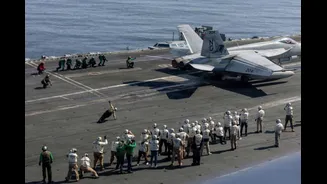
Military influence often goes hand-in-hand with the other forms of influence, representing a more direct form of power projection. This can take several forms, including the deployment of military advisors, the establishment of military bases, or the provision of military aid. The underlying goal is to create a security arrangement that benefits the influencing power, which can deter potential rivals, stabilize the region, and safeguard its interests. Moreover, political influence is exerted through diplomatic channels, alliances, and support for particular political factions. This can involve backing certain candidates in elections, providing financial support to political parties, or simply using diplomatic leverage to sway policy decisions. Ultimately, the goal is to create a political environment that is favorable to the influencing power's goals.
What Spheres Aren't
It is just as important to understand what spheres of influence are *not*. They are not necessarily synonymous with colonialism or outright occupation, although they sometimes bear resemblance to it. While a sphere of influence can involve a significant degree of control, it usually doesn't involve the full exercise of sovereignty. The influencing power usually avoids directly governing the region. Spheres of influence are also distinct from formal alliances or treaties, although they can often complement them. A sphere of influence can exist even without a formal treaty, resting instead on a more informal combination of power projection and mutual interest. Moreover, a sphere of influence is not always a zero-sum game. Multiple nations can exert influence in the same region, and it's possible for countries within a sphere of influence to benefit economically and politically from their relationship with the influencing power.
Impact and Implications
Spheres of influence carry significant implications for international relations, often shaping the balance of power, regional stability, and economic development. They can facilitate cooperation and stability. For example, a strong power might provide security guarantees and economic assistance to its sphere, promoting peace and prosperity. However, spheres of influence can also be a source of conflict. Great power competition for influence can lead to proxy wars, diplomatic tensions, and economic rivalry. Furthermore, they can restrict the sovereignty of countries within their orbit, limiting their freedom to make their own decisions. The interplay of spheres of influence is a dynamic process, one that requires close monitoring and understanding to navigate the complexities of global politics effectively. Comprehending these nuances helps to predict, understand, and perhaps even mitigate the conflicts they can generate.