
Trump's Assertions Analyzed
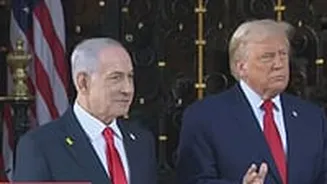
Donald Trump has recently been vocal about his view on NATO's performance and his impact on the alliance, specifically citing his efforts to bolster the organization.
He asserted that no other president had done more for NATO than him. Furthermore, Trump criticized NATO for purportedly avoiding the frontline in Afghanistan, and he stated that Afghanistan was a problem created by the alliance. Trump's comments, made in the current political climate, quickly ignited debate and prompted significant responses from leaders across the globe. These statements represent a continued pattern of Trump challenging the established norms of international relations and alliances. The claims have to be examined in light of the complex history between Trump and NATO. These include prior criticisms of the alliance's financial burden on the United States and calls for increased contributions from other member nations. Trump's statements not only reflected his past sentiments but also brought renewed scrutiny to the current state of NATO and its strategic outlook, especially in regions such as Afghanistan. The details of his approach, from his initial assessments to the ongoing dialogues, continue to shape the political environment surrounding transatlantic relations.
NATO's Response Elicited
Trump's declarations regarding NATO and its involvement in Afghanistan met with immediate responses from prominent figures within the alliance. UK Prime Minister, for example, demanded an apology following Trump's statements criticizing NATO's actions in Afghanistan. This sharp rebuttal highlighted the serious nature of the situation and the level of disagreement it provoked. The comments prompted a wave of condemnation and defensive reactions from key allies, illustrating the significance of the issues raised. NATO’s officials, including a spokesperson, acknowledged engaging in “very productive” discussions with Trump on matters relating to Arctic security. These talks reveal an attempt to maintain open communication channels despite the tensions. Additionally, the statements from Trump and the reaction of others within the organization have placed pressure on the alliance's future decisions, especially pertaining to strategic alliances and financial commitments. These reactions underscore the importance of maintaining unity and cooperation in the face of challenging political environments and external criticisms.
Deeper Alliance Issues
Trump's remarks sparked broader discussions on alliance commitments and responsibilities. Some critiques focused on the financial aspects of NATO membership, including the level of contributions from member states. Trump had previously voiced concerns over this imbalance. This scrutiny extended to the overall strategic priorities of the alliance and its readiness to address emerging global threats, including those in the Arctic region. Additionally, there was examination of how his comments might impact diplomatic relations and the future of collaborative ventures. The comments regarding Afghanistan triggered significant discourse on the validity of established alliance frameworks and the role each member plays in crisis management. All these factors underscore the delicate balance of international relations and the need for consistent strategies that align member states' interests and goals. Consequently, the discourse surrounding Trump's statements has become a focal point of discussions around the health of existing alliances.
Long-Term Implications Examined
The implications of Trump's statements extend far beyond the immediate reactions. The long-term effects on NATO's cohesion and its ability to deal with challenges are worth considering. The ongoing debates could influence how member countries view their obligations and contribute to the alliance's initiatives. Moreover, the discussions have also highlighted the complexities of maintaining international partnerships in the face of differing political views and national interests. This will affect future foreign policy decisions and diplomatic strategies. Trump's focus on his legacy, as well as the reactions from international figures, underscore the importance of these matters in the current political landscape. These dynamics shape the narratives surrounding the alliance's successes and its potential challenges. The impact of these discussions will persist in conversations concerning global security and international alliances.