



The Dawn of Space Tourism
Humanity's age-old fascination with the cosmos is now morphing into a tangible travel experience. Once confined to the realm of scientific exploration
and science fiction, outer space is increasingly becoming a destination for intrepid, affluent travelers. The advent of private spaceflight has significantly accelerated this paradigm shift, transforming the silent vacuum into a potential playground for luxury tourism. Recent suborbital journeys by companies like Blue Origin and Virgin Galactic have already offered paying passengers a fleeting glimpse of Earth from above, fueling a growing interest among wealthy individuals eager to explore the next frontier. This rising curiosity is driving ambitious ventures beyond mere short excursions, with pioneering companies now conceptualizing and developing orbital hotels where guests could spend extended periods immersed in the grandeur of the universe, far from the confines of our home planet.
Voyager Station: A Wheel in the Sky
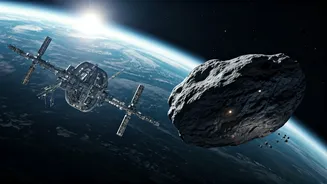
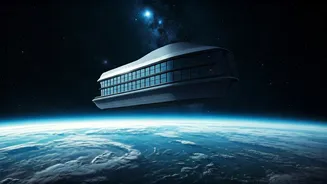
Leading the charge in orbital accommodations is Voyager Station, an ambitious project spearheaded by Above Space (formerly Orbital Assembly Corporation). This envisioned hotel takes the form of a massive, slowly rotating wheel positioned in Earth's orbit. The station's rotation is not merely aesthetic; it's a crucial engineering solution to one of the most significant challenges of long-term space habitation: the absence of gravity. By spinning, the structure generates centrifugal force, mimicking lunar gravity levels within its interior. This artificial gravity means guests can walk normally, drink from glasses without issue, and perform daily routines like eating and using the restroom with a familiar sense of normalcy, making extended stays more comfortable for civilian visitors. With a planned expansive area of over 50,000 square meters, Voyager Station is designed to accommodate approximately 400 individuals, including both tourists and essential crew. Early designs incorporate opulent amenities such as gyms, bars, restaurants, and even cinema halls, moving away from standard astronaut rations towards gourmet dining experiences. Furthermore, the station is slated to feature private villas, offering wealthy individuals the opportunity to purchase their own residences in space. Construction is anticipated to commence within the next few years, with an operational launch targeted for 2027 or 2028.
NASA's Commercial Push
Government space agencies are actively fostering commercial endeavors in orbit, creating new opportunities for private space stations. NASA's current initiatives encourage private entities to construct modules and research facilities that can be attached to existing structures like the International Space Station (ISS). This strategy aims to stimulate private investment and broaden the utilization of space for diverse purposes, including research, business, and tourism. A prime example of this collaboration is Axiom Space, a company planning to integrate its commercial modules with the ISS, with the first module expected to launch by the end of 2026. These modules are being meticulously designed with passenger comfort in mind, featuring interiors by renowned designer Philippe Starck. Soft padding on cabin walls is incorporated to ensure safety for visitors moving in low-gravity environments, preventing injuries from accidental contact. High-speed internet access will also be a standard feature, allowing tourists to share their experiences in real-time, even broadcasting live videos of Earth from their unique vantage point. When the ISS is eventually retired, likely around 2030, these attached Axiom modules could potentially detach and form the world's first entirely private commercial space station, marking a significant milestone in space utilization.
Navigating Orbital Challenges
Establishing and operating a hotel in space presents a unique set of formidable technical hurdles. Essential life support systems, including reliable food supply, water management, and waste disposal, require innovative engineering solutions tailored for the vacuum of space. Researchers are actively developing specialized cooking apparatus capable of safely preparing food in low-gravity conditions, exploring methods for boiling and frying that meet stringent safety standards. The exterior integrity of space habitats is also a critical concern. Orbiting at extremely high velocities, even minuscule space debris or micrometeoroids pose a significant threat, capable of inflicting substantial damage. To counter this, designers are focusing on advanced, self-healing materials for the station's outer walls. These intelligent materials possess the ability to automatically seal small punctures caused by impacts, thereby safeguarding both the occupants and the station's vital equipment, ensuring a secure environment for guests.
The Price of Starlight
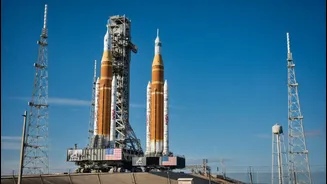
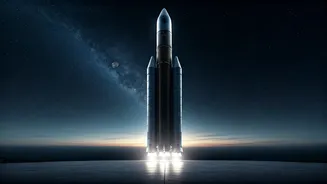
Accessing the luxury of space tourism comes with an exceptionally high price tag. Experts estimate that a stay at a future orbital hotel could range from $20 million to $50 million, positioning it as an exclusive experience for the ultra-wealthy. Beyond the substantial financial commitment, prospective space tourists must undergo rigorous preparation. Training programs, typically spanning 15 to 20 weeks, are mandatory, equipping individuals with the necessary skills to adapt to the extreme conditions of space travel. This intensive preparation includes mastering responses to high acceleration forces, often simulated using centrifuge machines, and participating in critical emergency evacuation drills to ensure readiness for any unforeseen event. Transportation to these orbital destinations is expected to be facilitated by advanced spacecraft, with companies like SpaceX developing powerful vehicles such as Starship, designed for reusable, long-duration missions. The ongoing development of these large, reusable rocket systems holds the potential to eventually reduce the exorbitant costs associated with space travel. While these ambitious projects are currently accessible only to a select few, the next decade will be crucial in determining the progress and eventual accessibility of these celestial getaways.