
Mindset: The Ultimate Tool
The foremost survival tip, as highlighted by Bear Grylls, centers on the power of a positive mindset. The ability to remain calm and optimistic, despite
the daunting surroundings, significantly impacts one's chances of survival. This mental fortitude is a foundational element. Without it, fear and panic can cloud judgment, leading to poor decisions. Grylls emphasizes the importance of visualizing success, believing in oneself, and embracing challenges as opportunities for growth. This mental approach is not exclusive to the jungle; it is crucial in all aspects of life. It fosters resilience, helping individuals overcome obstacles by maintaining a focused and determined outlook. Facing any situation, whether in the wilderness or a professional setting, requires this essential mental preparedness to navigate challenges effectively.
Water: The Lifeline
Securing a reliable water source is paramount in any survival situation. Dehydration can quickly incapacitate an individual, making it impossible to perform essential tasks. Bear Grylls stresses the need to prioritize water acquisition, identifying potential sources such as rainwater, dew, or even plants. He advises on techniques for collecting and purifying water to eliminate harmful bacteria and parasites. This knowledge underscores the importance of staying hydrated, as water plays a critical role in all bodily functions. Beyond the immediate needs of survival, understanding the significance of water promotes an understanding of the environment and the resources available within it. It demonstrates how careful planning and resourcefulness can sustain life, even under adverse conditions. This underscores the need to find water, purify it, and conserve it.
Shelter: Seeking Protection
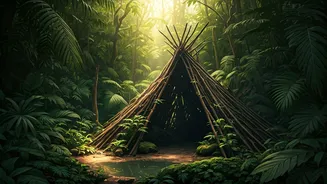
Constructing a safe shelter is the next essential step in jungle survival. A well-built shelter provides protection from the elements, including harsh weather conditions, intense sunlight, and dangerous wildlife. Grylls shares insights on identifying suitable locations and utilizing available materials, such as branches, leaves, and vines, to build a basic shelter. The design of a survival shelter will vary based on the available resources and the specific environmental conditions. It highlights the importance of adapting to the surroundings and using knowledge to optimize protection and conserve energy. This can be adapted for any environment, creating a safe and sheltered space. The ability to create shelter showcases adaptability and quick thinking.
Fire: The Essential Element
The ability to start a fire is a critical skill for warmth, cooking, and signaling for help. Fire also offers psychological benefits, providing a sense of security and a focal point during challenging times. Grylls demonstrates different fire-starting techniques, emphasizing the importance of dry tinder, a reliable ignition source, and proper fire management. He also highlights the importance of the careful selection of fuel and the need to respect the fire's potential hazards. Learning to build and manage a fire is a testament to human resourcefulness and the ability to adapt to adverse conditions. The controlled use of fire represents a crucial tool, offering warmth, safety, and a means to purify water and cook food, enhancing survival capabilities.
Food: Sustaining Life
Sustaining life in the jungle also requires sourcing food, and Grylls offers advice on identifying edible plants, trapping small animals, and fishing. He underscores the significance of understanding local flora and fauna and avoiding any potentially poisonous items. Furthermore, he emphasizes the importance of resourcefulness in using available tools and materials to obtain food. This encourages a spirit of adaptability and resilience. While the task can seem daunting, learning to forage or hunt for food underscores the necessity of maintaining physical health through essential sustenance. Knowing how to obtain food is a fundamental aspect of survival, requiring both knowledge and a willingness to explore available resources, thereby ensuring the continuation of life in the challenging environment of the jungle.