






Food Diplomacy on Display
The love for Indian cuisine transcends borders, often bridging cultural divides. One noteworthy example is the Japanese Ambassador, who was observed enjoying
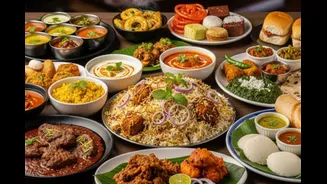
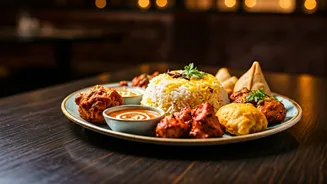
biryani with his hands, showcasing an unfiltered appreciation for the dish. This act, apart from being a culinary preference, signals respect for the cultural practices associated with food in India. Such instances are vital as they exemplify how food can become a tool for diplomacy and cultural exchange. It provides a means to share and appreciate different cultural elements, fostering connections and mutual respect between nations. This simple act of relishing biryani became a symbol of cultural acceptance and appreciation.
Biryani's Global Appeal
Biryani, a rice-based dish known for its rich flavors, has solidified its place as a culinary ambassador for India. The global appeal of biryani goes beyond a simple meal; it represents a fusion of tastes and cooking techniques that have been refined and perfected over centuries. The dish, with its diverse variations across India, has become a favorite among both locals and international visitors. This popularity reflects the adaptability of Indian cuisine, showcasing how its flavors can be embraced and celebrated across various cultures. Biryani's widespread acceptance is a testament to the universal appeal of well-crafted food, capable of fostering connections across continents and social strata.
Indian Dishes' Top Rankings
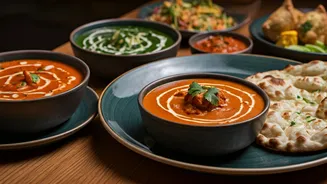
The global recognition of Indian food extends beyond individual preferences, as seen in the ranking of Indian dishes among the world's best. In a notable instance, two Indian chicken dishes were recognized among the top 17 in the world, demonstrating India's culinary influence on a global scale. These rankings are not just about culinary skills; they reflect the careful blending of spices, the use of fresh ingredients, and the methods used to prepare the meals. The recognition signifies India's rich culinary traditions and the growing global appreciation for its distinct flavors. These awards also encourage Indian chefs and restaurants worldwide to maintain quality and creativity.
Leaders' Culinary Encounters
The fondness for Indian food is not limited to ambassadors; it extends to various global leaders. While specific instances of leaders enjoying Indian food were not mentioned, the appreciation for the food often creates chances for cultural exchange. These culinary encounters often happen during diplomatic meetings, international events, and state visits, giving chances to share India's food legacy. These instances allow these leaders to experience the flavors, customs, and history associated with Indian cuisine, strengthening diplomatic relationships and cultural understanding. Moreover, these interactions help promote India's culinary heritage to a larger international audience.
Beyond the Plate
The worldwide appreciation for Indian food represents more than just a culinary trend; it's a testament to the ability of food to bridge cultures. These instances highlight how food can provide a platform for understanding and cultural exchange. The emphasis on savoring the experience, whether it's the Japanese Ambassador's biryani or the recognition of Indian dishes, highlights the significant role food plays in forging bonds across different cultures. It shows how the exchange of flavors, recipes, and traditions helps to construct a more interconnected world, where respect and understanding for different cultures are valued and celebrated.