




The Tiger Pose Explained
Fitness icon Shilpa Shetty recently showcased a powerful yoga posture known as the Tiger Pose, or Vyaghrasana, a dynamic movement that mimics the stretching
of a tiger. This asana is performed from a stable tabletop position, balancing on hands and knees. The core action involves lifting one leg while maintaining equilibrium, a demonstration that captivated her followers with its display of exceptional balance. Shetty, known for her dedication to a healthy lifestyle and her passion for yoga, shared this practice to inspire her audience. The pose requires precise execution, starting from a neutral stance on all fours and then extending one leg upwards, showcasing the coordination and control essential for this challenging yet rewarding posture.
Benefits for Back and Glutes
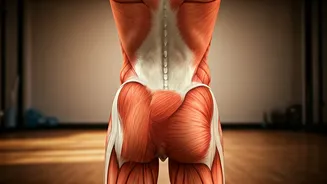
Vyaghrasana offers a comprehensive workout for the posterior chain and spinal column. By engaging in the alternating movement of arching and curling the spine, practitioners can significantly increase spinal flexibility and alleviate stiffness in the back muscles. This pose is particularly effective in building strength in the lower back and gluteal muscles, while also benefiting the hamstrings and core. Beyond its strengthening capabilities, the Tiger Pose is instrumental in improving overall balance and fostering better coordination between the mind and body, contributing to a more integrated sense of physical control. It also has a therapeutic effect on the sciatic nerves, potentially reducing discomfort and stiffness in the lower back and legs.
Beyond Strength: Digestion and Fat Reduction
The benefits of the Tiger Pose extend beyond mere muscular strengthening and flexibility. This invigorating yoga asana plays a role in internal well-being by gently massaging the abdominal organs. This internal stimulation can lead to improved digestion and help alleviate common issues like bloating. Furthermore, consistent practice of Vyaghrasana can contribute to toning the body, particularly in reducing excess fat accumulation around the hips and abdomen. While highly beneficial, individuals experiencing issues like a slipped disc are advised to avoid this pose to prevent potential aggravation of their condition.