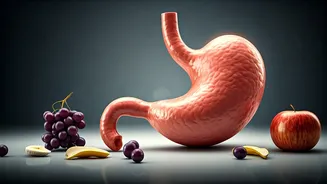









The Post-Dinner Fruit Conundrum
Many people find themselves reaching for fruits after dinner, seeking a sweet yet seemingly healthy option. While desserts can feel heavy and are often
loaded with refined sugars, fruits are celebrated for their natural sweetness and nutrient density. However, the timing of our food intake plays a significant role in how our bodies process it. This exploration delves into the potential digestive implications of consuming fruits in the hours following an evening meal, drawing insights from a medical professional specializing in gastrointestinal health. We'll examine what occurs internally and why this common practice might not be universally beneficial for everyone's digestive system, especially after a substantial dinner.
Digestive Delays and Fermentation
While fruits are generally known for their relatively quick passage through the stomach, typically within 20 to 40 minutes, issues can arise when they are consumed immediately after a heavy dinner. According to Dr. Sahil Nohria, a consultant gastroenterologist, the body's processing of fats and carbohydrates from a large meal can impede the swift digestion of fruits. This delay can cause sugars and fiber within the fruit to begin fermenting in the gut. The fermentation process can subsequently lead to uncomfortable symptoms such as bloating, the production of excess gas, and a persistent feeling of fullness, as the digestive system struggles to manage multiple food types simultaneously late into the night.
Fructose's Fermenting Fury
Certain fruits, due to their specific nutritional makeup, are more prone to causing digestive upset when eaten post-dinner. Dr. Nohria highlights fruits like apples, pears, mangoes, and watermelon, noting their higher fructose content. Fructose is a natural sugar that a portion of the population finds challenging to digest efficiently. When the body fails to break down fructose effectively, it lingers in the gut. This undigested sugar can then draw extra water into the intestines and become a food source for gut bacteria, leading to fermentation. The byproduct of this fermentation is often gas, resulting in noticeable bloating, a heavy sensation, and general abdominal discomfort for those sensitive to fructose.
Who Should Be Wary?
Individuals with pre-existing digestive sensitivities, such as those diagnosed with Irritable Bowel Syndrome (IBS), are particularly advised to exercise caution. Dr. Nohria emphasizes that people who generally experience gut sensitivity may find that fructose-rich foods, including certain fruits, easily trigger discomfort. The consequences can manifest as bloating, painful abdominal cramps, and irregular bowel movements. Therefore, while fruits are inherently healthy, their impact on digestion is highly individual, and those with sensitive systems may need to pay closer attention to their eating patterns and food choices around mealtimes.
Optimal Fruit Timing Strategies
To mitigate the risk of digestive issues like bloating and acidity, the gastroenterologist recommends strategic timing for fruit consumption. Instead of eating fruits immediately after a meal, it's generally more beneficial to enjoy them as a mid-morning snack or an early evening treat. This allows the digestive system to process them more effectively without the added burden of a recent heavy meal. Ultimately, understanding one's own body is key; individual digestive tolerance varies greatly. Paying attention to how different fruits and meal timings affect you will help in establishing a personal eating plan that supports optimal gut health and avoids unnecessary discomfort.