
Historical Background
The Balochistan region, rich in natural resources, has long been a site of tension. Its history is marked by a complex interplay of tribal rivalries, separatist
aspirations, and geopolitical interests. Following Pakistan's independence, Balochistan was integrated, which resulted in friction. Successive Pakistani governments have struggled to resolve Baloch grievances, mainly related to economic marginalization and political exclusion. These issues, intertwined with historical grievances, have laid the groundwork for the current insurgency. The legacy of colonial-era borders and the perceived dominance of the Punjab province have further complicated matters, fostering a sense of alienation among Baloch communities, contributing significantly to the resentment that has fueled the insurgency's growth. The struggle reflects deep-seated issues that are difficult to resolve.
Roots of Rebellion
The Baloch insurgency is a multifaceted phenomenon rooted in several factors. Economic disparities form a critical component, with Balochistan's natural wealth often failing to translate into improved living standards for its population. Many Balochis feel they have not benefited from the exploitation of their resources, leading to feelings of exploitation. Political marginalization, including a lack of representation and participation in national decision-making, has further exacerbated resentment. The Baloch seek greater autonomy and control over their land and resources. Allegations of human rights abuses by the Pakistani security forces, including extrajudicial killings and enforced disappearances, are cited as key drivers of the conflict, fueling anger and recruitment into militant groups. These violations create a cycle of violence.
Key Insurgent Groups
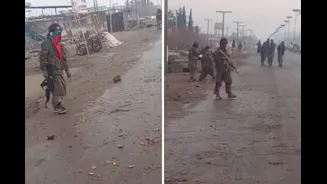
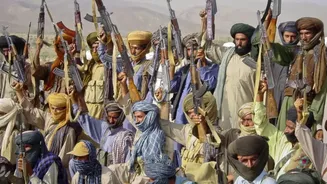
Various groups are engaged in the Baloch insurgency, each with its objectives and operational strategies. The Balochistan Liberation Army (BLA), one of the most prominent groups, has claimed responsibility for a number of attacks against Pakistani security forces and infrastructure projects. The Baloch Liberation Front (BLF) is another significant player, also fighting for Baloch rights. These groups often conduct operations in different areas, employing tactics that include targeted attacks, ambushes, and sabotage. The groups are not monolithic, and there are occasional shifts in alliances and rivalries. The effectiveness of these groups varies, and their activities have prompted intense security responses from the Pakistani government. These groups continue to pose a persistent challenge.
Government Responses
The Pakistani government has responded to the Baloch insurgency with a combination of military operations, political initiatives, and economic development programs. Military actions have focused on quelling militant activities. These actions have included deploying security forces, conducting raids, and launching counter-insurgency operations. However, these military tactics have often been criticized for human rights abuses, escalating the conflict further. Alongside military approaches, the government has attempted to address grievances through political dialogue and economic development initiatives. Offering development projects and financial aid and pursuing political negotiations are also part of the strategy. The success of the government's efforts is complicated, and the cycle of violence continues.
Impact and Consequences
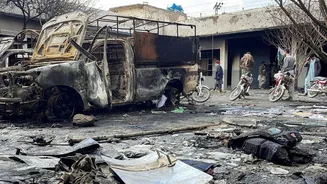
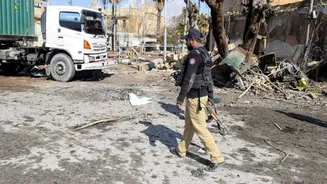
The Baloch insurgency has significant repercussions for the region, Pakistan, and its people. The conflict has caused significant displacement and loss of life. The fighting has disrupted economic activities, with infrastructure projects and resource extraction operations frequently targeted by insurgents. The insurgency has also created a climate of fear and insecurity, affecting daily life in Balochistan. The persistent unrest hinders any potential for sustainable development. Moreover, the conflict impacts Pakistan's relations with other countries, affecting the country's security and stability. Finding a solution to the ongoing violence remains difficult due to the complex nature of the conflict and the various interests at play.