
Understanding Hip Stiffness
Hip stiffness is a common issue, often exacerbated by the colder temperatures of winter. The impact of cold weather often makes muscles and joints more
prone to tightness. Prolonged sitting, lack of physical activity, and changes in daily routines during winter can also contribute. Limited mobility can lead to discomfort, reduce range of motion, and potentially increase the risk of injury. Therefore, incorporating mobility-enhancing exercises into your winter wellness plan becomes increasingly important. The orthopaedist emphasizes that addressing this issue promptly is vital for maintaining physical function and overall comfort. Recognizing the causes is the first step toward effective solutions.
Warm-Up Before Exercise
Before diving into any hip mobility exercises, it's essential to properly warm up the muscles. Start with gentle movements to increase blood flow and prepare the hips for more dynamic stretches. This can involve light cardio, such as marching in place or arm circles, followed by dynamic stretches like leg swings and torso twists. A warm-up period makes the muscles more pliable and receptive to stretching, which greatly minimizes the possibility of injury. This preparation increases the efficiency of the upcoming exercises. The orthopaedist recommends that a good warm-up typically lasts 5-10 minutes, preparing the body for the main exercises.
Dynamic Hip Stretches
Dynamic stretches involve moving the body through a range of motion. These stretches are beneficial before exercises because they get the joints moving and ready. Include leg swings, both forward and sideways, to improve mobility in multiple planes of motion. Also, incorporate hip circles, where you rotate the hips in a circular motion, and torso twists to increase flexibility in the entire hip region. These movements improve joint lubrication, improve flexibility, and prepare the muscles for activity. Start slowly and gradually increase the range of motion as the hips become more flexible and the muscles loosen up. This will help make exercise more effective and safe.
Static Stretching Techniques
Static stretches involve holding a stretch for a specific period to improve flexibility. After the warm-up and dynamic exercises, incorporate static stretches to further enhance hip mobility. Examples of static stretches include the figure-four stretch, where you cross one ankle over the opposite knee and gently pull the thigh towards your chest; the butterfly stretch, which involves sitting with the soles of your feet together and gently pressing your knees towards the floor; and the pigeon pose, where you bring one leg forward, bending the knee, and extending the other leg straight back. Hold each stretch for about 20-30 seconds, focusing on deep, slow breaths to enhance the effectiveness of the stretches. This helps the muscles relax and lengthen.
Strengthening Hip Muscles
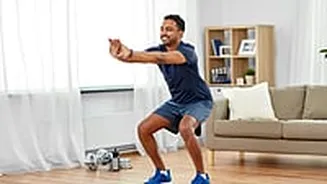
Strengthening the muscles around the hips is crucial for long-term mobility and stability. Perform exercises that target the glutes, hamstrings, and hip flexors. Include squats, lunges, and bridges to build strength and support the hips. Resistance bands can be used to add more challenge to these exercises. Strong hip muscles provide better support for the joint, improving balance and reducing the risk of injury. Aim for at least two to three strength training sessions per week, making sure you maintain good form and a controlled range of motion during the exercises. Consistent strength training improves mobility and builds resilience.
Foam Rolling for Hips
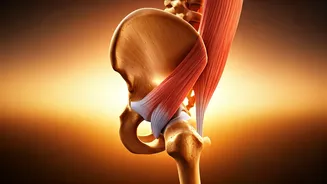
Foam rolling is a self-myofascial release technique that can help relieve muscle tension and improve mobility. Use a foam roller to target the muscles around the hips, such as the glutes, hamstrings, and hip flexors. Roll slowly, focusing on any tight areas and holding on trigger points for about 30 seconds. Foam rolling assists in breaking up adhesions, improving blood flow, and boosting flexibility. Incorporating foam rolling into your routine, especially after workouts or at the end of the day, can significantly reduce stiffness and promote relaxation. Consistency is essential to gain the full benefits of foam rolling.
Proper Posture Awareness
Paying attention to your posture throughout the day plays a key role in hip mobility. Poor posture, like slouching while sitting or standing, can restrict hip movement and worsen stiffness. Practice maintaining good posture by sitting with your back straight, feet flat on the floor, and shoulders relaxed. When standing, keep your weight evenly distributed and avoid locking your knees. Adjusting your work setup to include ergonomic chairs and standing desks can also help. Make an effort to be aware of your posture and correct any imbalances throughout the day. This simple adjustment supports hip health and overall well-being.
Regular Physical Activity
Regular physical activity is an excellent way to maintain hip mobility. Incorporate a variety of exercises into your routine, including cardio, strength training, and flexibility exercises. Try activities like swimming, cycling, or brisk walking to keep your hips moving. Regularly moving your body helps keep the joints lubricated, maintains muscle flexibility, and reduces stiffness. Aim for at least 30 minutes of moderate-intensity exercise most days of the week. Making movement a daily priority improves hip mobility and overall health. Consistency with exercise provides the best long-term outcomes.
Consult a Professional
If you experience persistent hip pain or limited mobility, it is crucial to seek advice from an orthopaedist or physical therapist. A professional can evaluate your condition, diagnose any underlying issues, and recommend a personalized treatment plan. This may include specific exercises, stretches, or other therapies. Don't hesitate to consult a professional for personalized advice. They can provide guidance tailored to your specific needs, improving treatment and speeding up your path to better hip health. Seeking professional help ensures that any problems are addressed effectively, keeping you active and pain-free.