






What is It?
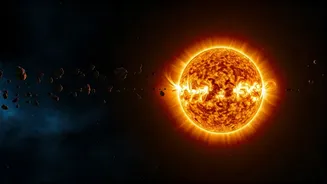
A solar radiation storm is a significant increase in the flow of energetic particles from the sun. These storms happen when the sun releases massive bursts
of energy, often associated with solar flares and coronal mass ejections (CMEs). This energy creates a surge of high-energy particles that travel through space, eventually reaching Earth. These particles can damage satellites, disrupt communications, and even pose a radiation risk to astronauts and air travelers at high altitudes. The National Oceanic and Atmospheric Administration (NOAA) plays a vital role in monitoring and forecasting these space weather events, providing alerts and warnings to various sectors to prepare for potential impacts.
Causes and Effects
Solar radiation storms are primarily caused by solar flares and CMEs. Solar flares are sudden bursts of energy that release radiation across the electromagnetic spectrum, including X-rays and ultraviolet radiation. CMEs are eruptions of plasma and magnetic field from the sun’s corona. When these ejections reach Earth, they can cause geomagnetic storms, which can disrupt power grids and communication systems. The energetic particles from these storms can also damage satellite electronics, leading to communication and navigation failures. For humans, these particles pose a radiation hazard, particularly for those in space or at high altitudes on Earth. The severity of these effects varies depending on the intensity of the solar event and the level of Earth's protection.
Flight and Satellite Risks
One of the most immediate impacts of solar radiation storms is on satellites and flights. Satellites are vulnerable because their electronic components can be damaged by the high-energy particles, potentially leading to data loss or complete failure. Airlines often adjust flight paths, particularly for polar routes, during solar storms to minimize radiation exposure to passengers and crew. These precautions are crucial because the Earth’s magnetic field provides less protection at higher latitudes. The NOAA provides real-time information and forecasts to these industries, allowing them to take necessary actions like rerouting flights or implementing backup systems for satellite operations. These steps are essential to protect critical infrastructure and human safety during periods of heightened space weather activity.
NOAA's Role Explained
The National Oceanic and Atmospheric Administration (NOAA) plays a central role in monitoring and forecasting solar radiation storms and other space weather events. NOAA’s Space Weather Prediction Center (SWPC) uses a combination of ground-based and space-based instruments to observe the sun and the Earth’s environment. These tools include solar observatories, magnetometers, and satellite-based sensors that monitor solar flares, CMEs, and the flow of energetic particles. The SWPC provides alerts and warnings to various sectors, including aviation, satellite operators, and power grid operators. The forecasts range from short-term warnings to long-term outlooks, helping these industries prepare for potential impacts. Accurate and timely forecasting by NOAA is crucial for mitigating the risks associated with solar radiation storms and protecting critical infrastructure worldwide.
Mitigation Strategies Discussed
Various strategies are used to mitigate the risks associated with solar radiation storms. For satellites, designers employ shielding to protect sensitive electronics from radiation damage. Redundant systems are also used, so that if one component fails, another can take over. Airlines adjust flight paths, often rerouting flights away from polar regions, where the radiation exposure is higher. This minimizes the radiation dose to passengers and crew. Additionally, researchers are working to improve space weather forecasting models. These include developing better tools for predicting solar flares and CMEs, which helps improve accuracy and lead times for warnings. Public awareness is also an important aspect of mitigation, allowing individuals and organizations to take informed precautions during severe space weather events.