


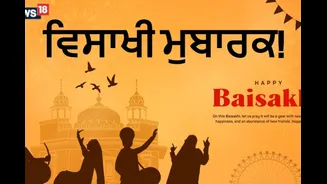
Baisakhi 2026 Date
In 2026, the vibrant festival of Baisakhi will grace us on April 14th. This date is determined by a celestial event, specifically the Sun's transition
into the zodiac sign of Aries, marking the commencement of the solar new year according to the solar calendar. Unlike fixed Gregorian calendar dates, Baisakhi's timing is dictated by this astronomical occurrence. The precise moment of the Sun's entry into Aries, known as Mesha Sankranti, is calculated to occur at 09:39 AM on April 14, 2026, solidifying this as the official day for the festival's observance this year. While April 13th holds historical resonance, particularly concerning the Jallianwala Bagh massacre and the founding of the Khalsa, the actual religious and astronomical celebration aligns with the 14th in 2026.
Historical Roots & Significance
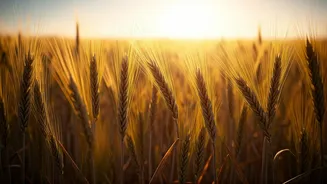
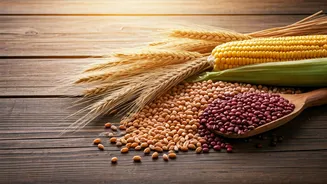
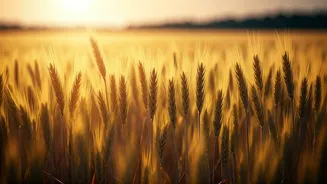
Baisakhi is a festival of profound dual significance. For the Sikh community, it commemorates a monumental event in 1699: the establishment of the Khalsa Panth by Guru Gobind Singh. This marked the formalization of Sikh identity, emphasizing core tenets of courage, equality, discipline, and selfless service, and remains a cornerstone of their faith and collective spirit. Beyond its religious importance, Baisakhi is also celebrated as a bountiful harvest festival, signifying the end of the rabi crop season, particularly wheat. This aspect brings immense joy and gratitude to farmers across Punjab, symbolizing prosperity and renewal as the golden fields ripen. The festival, therefore, represents a harmonious blend of spiritual devotion and agricultural abundance, making it one of northern India's most cherished celebrations.
Ways Baisakhi Is Celebrated
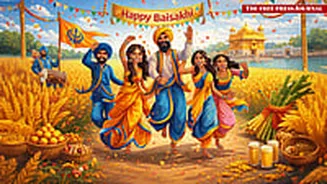
The celebration of Baisakhi begins with early morning devotion, where attendees partake in a sacred bath and visit their local Gurudwaras for prayer. Prominent Sikh pilgrimage sites, including the Golden Temple, draw large congregations participating in special kirtans (devotional singing) and continuous readings from the Guru Granth Sahib. A visually captivating highlight is the Nagar Kirtan, a lively procession filled with devotional music, displays of martial arts, and enthusiastic community involvement. Integral to the festivities is the practice of 'seva' or selfless service, exemplified by the preparation and distribution of 'langar,' a communal meal offered freely to everyone, irrespective of their background. The cultural vibrancy is further amplified by traditional folk dances like Bhangra and Gidda, showcasing Punjab's rich artistic heritage and adding to the joyous atmosphere of the festival.