




Breakfasts: Carb Overload
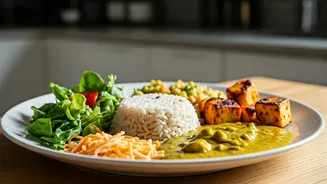
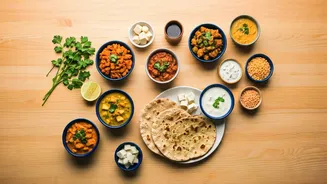
Many Indian households pride themselves on home-cooked meals, often featuring staples like dal, sabzi, and roti. Despite this perceived healthfulness,
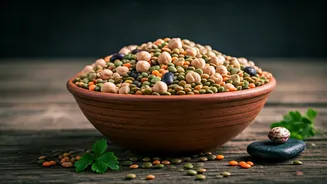
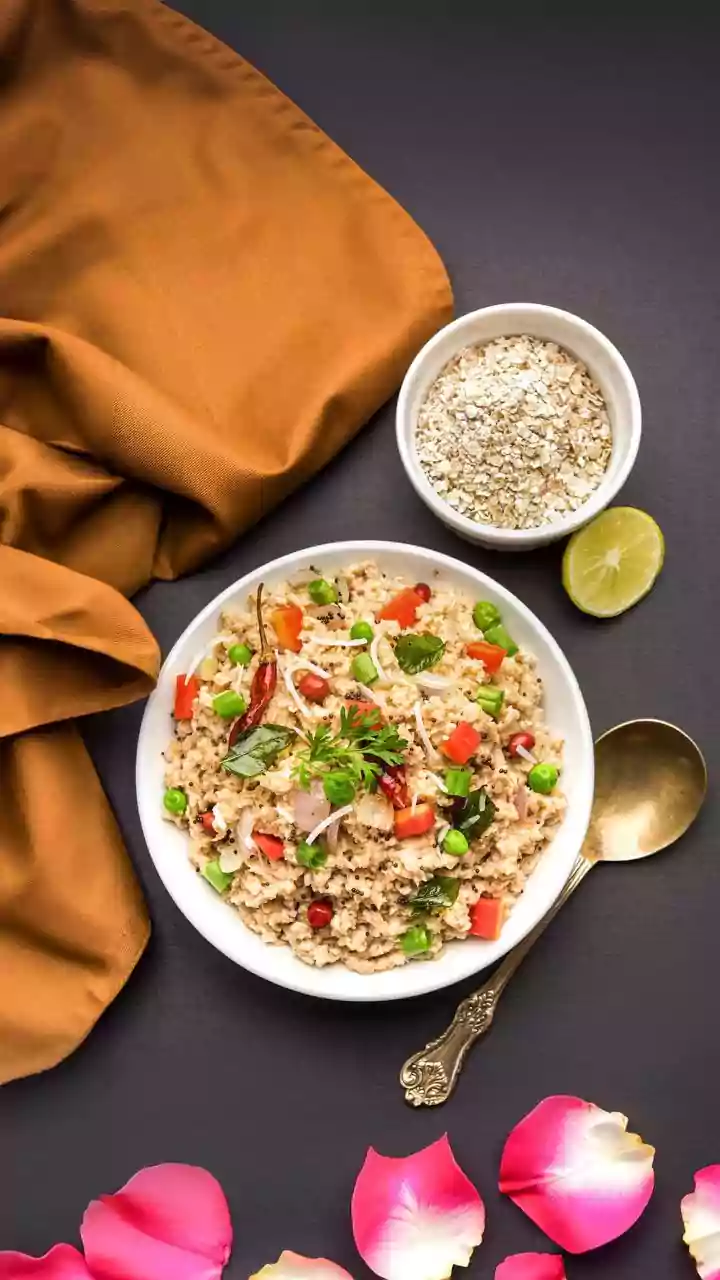
numerous individuals grapple with persistent issues like weight gain, diminished energy levels, and poor muscle definition. The root cause frequently lies not in the cuisine itself, but in the fundamental balance of nutrients on the plate. Fitness coach Saachi recently illuminated this issue on Instagram, pinpointing prevalent missteps even in diets considered wholesome. A primary concern she highlighted is the common breakfast pattern, which overwhelmingly leans towards carbohydrates. Dishes like poha, upma, and dosa, while satisfying, are often devoid of essential protein. This carb-centric approach provides a quick energy burst but fails to sustain satiety, leaving individuals feeling hungry again soon after. Saachi advocates for incorporating protein sources such as eggs, paneer, sprouts, lentils, or Greek yogurt to enhance fullness and support crucial muscle health, thereby rectifying this common breakfast imbalance.
Roti & Rice Balance
Another significant dietary pattern identified by fitness experts is the disproportionate consumption of carbohydrates, specifically roti and rice, often at the expense of other vital food groups. The typical Indian plate might feature an excessive number of rotis coupled with a meager portion of vegetables and a glaring lack of protein. This nutritional imbalance is precisely what Saachi urges individuals to reconsider. She emphasizes a reversed approach: significantly reducing the quantity of rotis to a controlled one or two, dramatically increasing the intake of diverse vegetables, and ensuring a substantial presence of protein. This protein can be derived from a variety of sources, including pulses like dal and rajma, legumes such as chole, dairy products like paneer, or animal proteins like chicken, fish, and eggs. This strategic shift in plate composition is crucial for promoting satiety, aiding in muscle repair and growth, and ultimately contributing to a more balanced and effective dietary intake.
Cardio vs. Strength
While cardiovascular exercise is widely acknowledged for its numerous health benefits, an over-reliance on it without incorporating strength training can lead to missed opportunities for optimal body composition and metabolic enhancement. Saachi points out that solely focusing on activities like walking, though beneficial, does not actively contribute to building muscle mass. Muscle tissue plays a pivotal role in boosting metabolism and shaping the body's physique. Without dedicated strength training, individuals seeking a toned appearance may not achieve their desired results, even with consistent cardio. The expert suggests that a well-rounded fitness regimen, integrating both cardio and strength-building exercises, is essential for achieving a sculpted physique and improving overall body composition by increasing lean muscle mass and enhancing metabolic rate.
The Fat Phobia
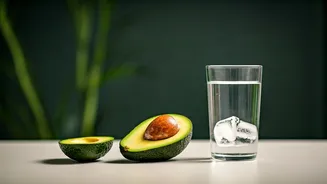
A pervasive misconception in many diets, including seemingly healthy ones, is the undue fear of dietary fats. Saachi strongly emphasizes that not all fats are detrimental to health; in fact, certain fats are indispensable for proper bodily function. Healthy fats found in nuts, seeds, and quality oils, when consumed in appropriate quantities, play a vital role in hormone regulation and contribute significantly to feelings of fullness, thereby aiding in appetite control. She cautions against extreme avoidance, advising mindful consumption rather than complete elimination. For instance, incorporating a small handful of almonds—around 4 to 5 nuts rather than an excessive amount—can provide beneficial nutrients without overloading the diet. This nuanced understanding of fats, prioritizing quality and portion control, is key to a balanced and effective nutritional strategy that supports overall well-being and satiety.