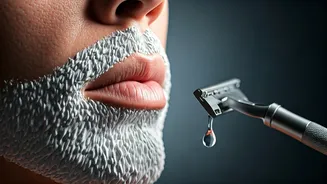







Shaving: The Safest Method
Shaving emerges as the most accessible, secure, and swift technique for eliminating unwanted facial hair, according to dermatological expertise. Contrary
to common misconceptions, this method does not accelerate hair growth nor does it cause hair to become thicker. It's highlighted as a cost-effective, painless, and hassle-free solution for achieving smooth skin in the comfort of one's home. For women experiencing hirsutism, a condition often linked to PCOS which causes darker, thicker hair growth in areas typically associated with male-pattern hair distribution, shaving offers an immediate and effective solution. Elevated androgen levels are typically the cause, and shaving is a straightforward way to manage this symptom. Dr. Gurveen Waraich, an MBBS and MD from Garekars MD Dermatology Clinics, emphasizes that facial shaving is not only easy but also the safest and fastest route to hair removal. Busting myths, she confirms that shaving does not influence the rate or thickness of hair regrowth, reassuring individuals about its efficacy and safety.
Moisturize Before Shaving
A crucial step often overlooked is never attempting to shave dry skin. This common mistake can lead to significant redness and irritation because the sharp blade can be overly abrasive on parched skin. To ensure a smooth glide and achieve the desired smooth finish, it's essential to use a lubricating agent. This could be a dedicated shaving gel, foam designed for women, or even a natural option like aloe vera, known for its cooling and soothing properties. This lubrication acts as a protective barrier, allowing the razor to move effortlessly across the skin, minimizing friction and preventing the blade from catching or pulling, which are primary causes of discomfort and damage. Therefore, always prep your skin by ensuring it is well-moistened before introducing the razor.
Direction Matters
When it comes to shaving, the direction you move your razor significantly impacts the outcome. While the instinct might be to shave against the grain for an ultra-close feel, dermatologists strongly advise against this practice. Shaving in the direction of hair growth is the recommended method. This technique is paramount in preventing common shaving woes such as irritation, razor burns, and painful ingrown hairs. By adhering to the natural growth pattern of your hair, you reduce the likelihood of the blade cutting too deeply or at an angle that could lead to follicular inflammation or skin damage. This careful approach ensures a much more comfortable shave and helps maintain clear, unblemished skin, avoiding the unsightly and uncomfortable marks that can result from improper shaving techniques.
Skincare Pause
Post-shave, a common inclination is to immediately follow up with your regular skincare routine, especially products containing active ingredients. However, experts recommend a temporary pause on these potent formulations. The skin, having undergone the stress of shaving, becomes more sensitive and its pores are temporarily open. Introducing active ingredients like retinoids, AHAs (alpha-hydroxy acids), and BHAs (beta-hydroxy acids) during this vulnerable period can intensify irritation and lead to pronounced redness. It's advisable to stick to a generous application of a plain moisturizer to keep the skin hydrated and calm. For waxing, a longer waiting period before reintroducing actives is typically suggested compared to shaving, where you can usually resume your routine the following day.