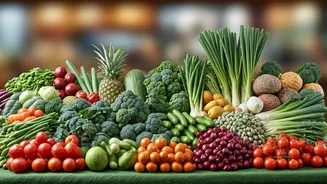







India: A Veggie Paradise
India frequently tops the charts as the country with the highest percentage of vegetarians. This is deeply rooted in the nation's culture and religious
beliefs, particularly Hinduism, Jainism, and Buddhism. These faiths often emphasize non-violence (ahimsa), leading many followers to abstain from meat consumption. The culinary landscape in India boasts a rich variety of vegetarian dishes, utilizing diverse ingredients like lentils, vegetables, and spices. Regional variations contribute to the vastness of vegetarian choices available across the country, making it a paradise for those who prefer meat-free options. The prevalence of vegetarianism has also shaped social customs and the availability of vegetarian food options, making it easy for vegetarians to thrive and find acceptance.
Cultural and Religious Drivers
The popularity of vegetarianism in India isn't just about food; it's a reflection of deeper cultural and religious principles. Hinduism, a dominant religion in India, views cows as sacred and encourages a lifestyle of non-violence. Jainism takes this concept even further, advocating for strict vegetarianism and avoiding harm to any living creature. Buddhism, while not always strictly vegetarian, emphasizes compassion and often supports vegetarian practices among its followers. These beliefs significantly shape dietary habits, encouraging a move away from meat and towards plant-based foods. This also influences family traditions, community events, and social interactions, making vegetarianism an integrated part of everyday life.
Beyond India: Global Trends
While India leads the way, vegetarianism is gaining traction worldwide, with significant presence in other countries too. The United Kingdom and Australia, for instance, also have relatively high percentages of vegetarians, driven by factors such as a growing awareness of the environmental impact of meat production and animal welfare concerns. In these nations, vegetarianism is often seen as a lifestyle choice that aligns with sustainability and ethical values. The availability of vegetarian products has also expanded, making it easier for people to adopt and maintain a plant-based diet. Furthermore, increasing access to information and resources online facilitates the spread of vegetarian recipes, ideas, and communities globally.
Vegetarianism's Rise
Globally, the rise in vegetarianism reflects broader shifts in societal values and consumer preferences. As more people become aware of the health benefits of plant-based diets, the demand for vegetarian options has surged. The impact of meat production on the environment has also become a major concern, prompting many to reduce their meat consumption. Moreover, there is an increasing ethical focus, particularly regarding animal welfare. This combination of factors has led to vegetarianism becoming more mainstream and accessible. Food manufacturers are now producing a wider range of meat alternatives. Restaurants and eateries are also updating their menus, providing diners with more vegetarian-friendly choices than ever before.
Diverse Vegetarian Cuisines
The beauty of vegetarianism extends to the diversity of cuisines available. From the rich curries and vegetable dishes of India to the Mediterranean flavors of Italy, a vegetarian diet is anything but monotonous. In India, dishes like dal makhani, paneer tikka, and vegetable biryani are popular, offering a variety of flavors and textures. Italian cuisine features pasta dishes with fresh vegetables, and risottos made with mushrooms and herbs. The availability of diverse ingredients and culinary techniques enables people to explore varied vegetarian options from all corners of the globe. This variety highlights the adaptability and richness of vegetarian cooking, making it an appealing choice for a wide range of individuals.









![T20 World Cup 2026: Sam Billings shares bold predictions ahead of mega event, locks India to finish runners-up [Exclusive]](https://g-mob.glance-cdn.com/public/fc/image/2mhQZBogkxh0.webp)