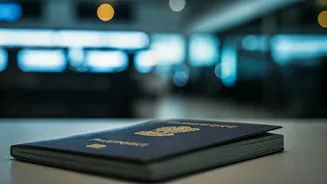








The e-Passport Revolution
e-Passports have revolutionized travel documentation, especially for Indian citizens. This advanced form of identification integrates a microchip that
securely stores the holder’s biometric and personal data. This technological upgrade provides numerous advantages, including enhanced security and streamlined border control processes. The adoption of e-passports signifies a pivotal change, representing India's commitment to adopting modern security measures and simplifying international travel experiences. With the growing prevalence of these advanced passports, a significant proportion of Indian passport holders now have access to this upgraded form of documentation.
Features and Benefits
e-Passports offer various benefits compared to traditional passports. The embedded microchip contains the passport holder's personal information, photograph, and biometric data, such as fingerprints. This data encryption makes the passport more difficult to forge and ensures security. Automatic gates and quicker processing at airports, along with less time spent in queues, are advantages that e-passports bring to travelers. Additionally, e-passports facilitate smoother and more efficient customs procedures, which leads to improved travel experiences. The implementation of this technology signifies a significant upgrade in travel safety and convenience for Indian passport holders.
Security Enhancements Unveiled
Security is significantly improved with the introduction of e-passports. The embedded chip contains the holder’s biometric data and uses secure encryption, significantly reducing the chances of fraud and identity theft. These passports also incorporate multiple security features, such as laser-engraved data, holographic images, and tactile elements. Border control authorities can use electronic readers to quickly and accurately verify the authenticity of the passport data. This advanced technology significantly improves the overall security framework, helping to deter fraudulent activities and protect the identities of the passport holders. These improvements are part of India's ongoing efforts to enhance international travel security.
Adoption and Impact
The shift towards e-passports is growing in India, as a significant number of passport holders have switched to the modern documents. This widespread adoption reflects India’s commitment to adopting advanced technologies that improve international travel experiences. e-Passports have significantly reduced waiting times at immigration checkpoints, contributing to faster processing. This has led to improved traveler satisfaction and efficiency at airports globally. As more citizens gain e-passports, the ease and speed of international travel for Indian citizens is expected to increase, further solidifying the nation's reputation for embracing cutting-edge travel solutions.
Future Implications Considered
The introduction of e-passports is a step toward future advancements in travel technology. Technological advancements might integrate additional security measures or integrate even more seamless border crossing procedures. The continuing adoption of e-passports may lead to greater data security, reducing the likelihood of identity theft. Additionally, the development and integration of these technologies can create improved collaborations and data-sharing agreements with other countries. The e-passport initiative emphasizes India’s commitment to improving travel infrastructure and supporting secure and effective international travel.