





A History Overview
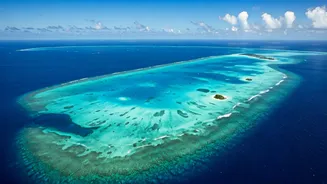
The Chagos Archipelago, a collection of atolls in the Indian Ocean, has a complex history tied to colonialism and geopolitical maneuvering. Historically,
the islands were a British colony, which were later separated from Mauritius before its independence. Subsequently, the United Kingdom leased the largest island, Diego Garcia, to the United States for a military base. This separation and the establishment of the military base have sparked international disputes and human rights concerns, as the indigenous Chagossians were forcibly removed from their homes to make way for the base. The ownership of the archipelago remains a contentious issue, with Mauritius asserting its claim to the islands. The International Court of Justice has weighed in on the matter, supporting Mauritius's claims, but the UK has maintained its control. The situation continues to evolve, reflecting the interplay of historical injustices, strategic interests, and international law.
Trump's Involvement
Donald Trump's recent actions and statements regarding the Chagos Archipelago have created renewed interest and controversy. The exact nature of Trump's involvement remains to be fully revealed, but his comments have already drawn international attention. Whether his focus is driven by strategic alliances, or if it is politically motivated, remains uncertain. Trump's engagement with the issue has prompted debate regarding the geopolitical dynamics of the Indian Ocean. Some observers view Trump's statements as opportunistic, while others see it as a reflection of existing global power struggles. The specific content of Trump's statements, and the context in which they were made, are essential for fully understanding his position on the matter. It is this context that offers insight into the potential impacts of his statements on the ongoing territorial dispute and international relations.
The Mauritius Perspective
Mauritius's perspective is central to the ongoing dispute over the Chagos Archipelago. Mauritius views the islands as an integral part of its territory, and it is pursuing a claim for their return. The country points to the historical separation of the islands from Mauritius by the United Kingdom before Mauritius's independence as a crucial injustice. The Mauritian government has actively engaged in diplomatic efforts and international legal proceedings to advance its claim, including seeking judgments from international bodies. Mauritius's position is supported by international law and many international bodies. For Mauritius, reclaiming the Chagos Archipelago holds significant symbolic and practical importance. It represents a chance to rectify past injustices, assert its sovereignty, and exercise control over a strategically valuable territory. The nation's determination in pursuing its claim underscores the deep-rooted national pride and the desire to uphold the principles of territorial integrity.
International Reactions
The international community's response to the situation in the Chagos Archipelago has varied, reflecting diverse perspectives and interests. Many countries and international organizations have expressed their views on the matter, influencing the dynamics of the dispute. The United Nations and other international bodies have debated the legal status of the islands and the human rights concerns of the Chagossians. The stance of global powers, like the United States, United Kingdom, and China, carries particular weight in the discussions, shaped by their strategic and economic goals. Some countries, recognizing the injustices and supporting the rule of law, have sided with Mauritius. Others, balancing their relationships with different parties, have maintained a neutral stance. The evolving reactions from all the stakeholders highlights the complex interplay of legal, historical, and geopolitical factors shaping the future of the Chagos Archipelago.
Implications and Future
The implications of Trump's involvement and the larger territorial dispute over the Chagos Archipelago extend beyond the immediate issue, impacting international relations and geopolitical strategies. The continued presence of the U.S. military base on Diego Garcia and the unresolved claims of Mauritius create ongoing tensions. The case serves as a test of international law and a reflection of power dynamics in the Indian Ocean. The future of the Chagos Archipelago could be shaped by diplomatic negotiations, legal rulings, and shifts in global alliances. The situation also highlights the importance of addressing historical injustices and ensuring human rights, particularly the rights of the Chagossians who were displaced from their homes. The resolution of the dispute would not only decide the fate of the islands but also influence the broader landscape of international law and cooperation.