
Nourish With Nutrition
The cornerstone of organ health is a well-balanced diet. Nutritionists consistently highlight the importance of consuming whole foods. This means focusing
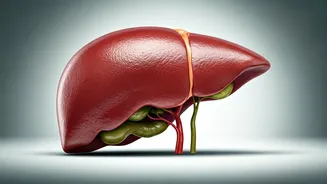
on fruits, vegetables, lean proteins, and whole grains, which provide essential vitamins, minerals, and antioxidants. These components directly support organ function, aiding processes like detoxification, tissue repair, and energy production. Limiting processed foods, sugary drinks, and excessive fats is also crucial. These can strain organs like the liver and kidneys, hindering their ability to function optimally. A balanced diet should be the primary method for maintaining healthy organs, a principle emphasized by most nutritionists. It is suggested that everyone consider it a priority to fuel their bodies with the best possible ingredients to maintain health.
Exercise's Positive Impact
Regular physical activity is vital for overall health, and its effects extend to organ wellness. Exercise improves blood circulation, ensuring that organs receive an adequate supply of oxygen and nutrients. Improved cardiovascular health reduces the strain on the heart, kidneys, and liver. Additionally, exercise aids in weight management, which is critical. Excess weight can contribute to conditions like fatty liver disease and increase the risk of other organ-related ailments. Integrating both aerobic and resistance training into your routine ensures optimal benefits. Aerobic exercises like running and swimming enhance cardiovascular function, while resistance training can build muscle mass, which helps boost your metabolism and support organ function. Aim for at least 30 minutes of moderate-intensity exercise most days of the week.
Stress Less, Thrive More
The impact of stress on organ health is often underestimated. Chronic stress can lead to the release of hormones like cortisol, which can negatively affect various organs over time. High cortisol levels can impair the immune system, increase blood pressure, and disrupt digestive functions. Managing stress is essential for promoting organ wellness, and there are several effective strategies to consider. Mindfulness practices, such as meditation and deep breathing exercises, can help calm the nervous system and reduce stress hormones. Engaging in relaxing activities, such as hobbies or spending time in nature, can also be beneficial. Ensuring you get adequate sleep is also crucial, as sleep deprivation can increase stress levels and affect overall health. Incorporating these stress-management techniques into daily life can significantly contribute to supporting organ health and improving overall well-being.
Hydration, Detoxification, and Care
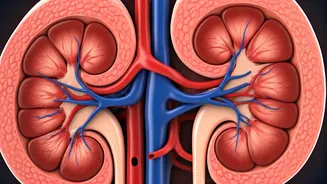
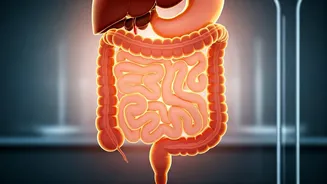
Adequate hydration is critical for maintaining optimal organ function. Water facilitates numerous bodily processes, from nutrient transport to waste removal. It's especially vital for the kidneys, which filter waste products from the blood. Drinking enough water supports kidney function and helps prevent kidney-related issues. Incorporating regular detoxification strategies can also benefit organ health. Although the body naturally detoxifies through organs like the liver and kidneys, supporting these processes through healthy habits can enhance their efficiency. This involves eating a diet rich in fiber to promote regular bowel movements, which helps eliminate toxins. Limiting the intake of alcohol and processed foods is also crucial, as these can strain the liver. In addition to these points, prioritizing consistent healthcare and check-ups is extremely important to ensure that any health problems are quickly identified and managed appropriately.