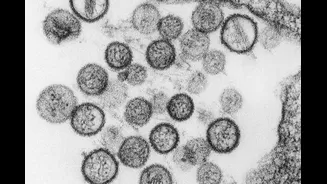










Understanding Hantavirus Transmission
Hantavirus, a rare but serious illness, originates from rodents and enters the human body primarily through inhalation of airborne particles from their
dried excrement, urine, or saliva. Direct contact with these contaminated materials, particularly in enclosed or poorly ventilated spaces, poses the greatest risk. While rodent bites can also transmit the virus, this is less common. Crucially, hantavirus does not typically spread from person to person, distinguishing it from many other contagious diseases. This characteristic significantly influences outbreak management strategies, shifting the focus from human-to-human transmission containment to rigorous environmental decontamination and source elimination.
Cruise Ships: A Unique Vulnerability
The very nature of cruise ships makes them particularly susceptible to the rapid spread of infectious agents. These vessels are essentially floating, densely populated environments where individuals share numerous enclosed spaces, including dining halls, recreational areas, and lavatories. Limited ventilation systems in such close quarters can exacerbate the risk of airborne transmission if contaminated particles are present. The high concentration of people in a confined setting means that a single contaminated area or an infected individual can quickly expose a large number of passengers and crew, presenting a significant challenge for public health officials attempting to contain an outbreak.
Quarantine: A Double-Edged Sword
Quarantine, the isolation of individuals who may have been exposed to a disease, is a cornerstone of public health interventions, especially in controlled settings like cruise ships. Its efficacy, however, is heavily contingent on several factors. Prompt identification of infected individuals or contaminated zones is paramount. Equally important is the swift restriction of movement to prevent further exposure to potential sources of infection. For hantavirus, stringent sanitation protocols and effective rodent control are critical components of any containment strategy. While isolating people is necessary, it may not be sufficient on its own if the environmental source of the virus remains unaddressed.
Symptoms and Immediate Actions
Hantavirus Pulmonary Syndrome (HPS) can manifest suddenly and severely, with an incubation period typically ranging from one to five weeks. Initial symptoms often mimic the flu, including fever, fatigue, muscle aches, headaches, dizziness, and chills. Gastrointestinal distress such such as nausea, vomiting, abdominal pain, and diarrhea may also occur. As the disease progresses, a hallmark symptom is the onset of coughing and increasing difficulty breathing, stemming from fluid accumulation in the lungs, which can be life-threatening if not treated promptly. Passengers and crew experiencing any of these signs should report them immediately to medical staff, avoid any potentially contaminated areas, and strictly adhere to all quarantine and safety directives.
Lessons from Past Outbreaks
Previous outbreaks on cruise ships, notably during the COVID-19 pandemic, have provided invaluable insights into managing infectious disease crises at sea. These incidents underscored the detrimental impact of delayed responses, the inherent difficulties in implementing effective isolation in overcrowded conditions, and the absolute necessity of clear, consistent communication with all onboard individuals. Although hantavirus has a different transmission pattern than respiratory viruses, the fundamental principles of outbreak management remain applicable: preparedness, rapid intervention, and adherence to public health guidance are crucial for mitigating the impact and safeguarding the health of everyone on board.