




Pantanal, Brazil
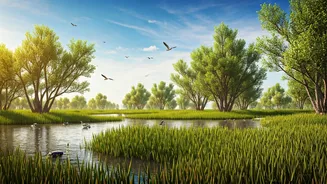
The Pantanal, a sprawling wetland primarily situated in Brazil, is celebrated as the largest tropical wetland globally. Its expansive plains and diverse
habitats support an astonishing array of flora and fauna. During the wet season, vast areas become submerged, creating a temporary inland sea that nurtures exceptional biodiversity. The Pantanal serves as a crucial refuge for numerous species, including jaguars, giant river otters, and a multitude of bird species. Conservation efforts are vital here to combat habitat destruction from agriculture and climate change that threaten this invaluable ecosystem.
Everglades, USA
Located in Florida, the Everglades is a unique ecosystem known as a “river of grass.” This expansive wetland is a mosaic of sawgrass marshes, mangrove forests, and hardwood hammocks. The Everglades is a critical habitat for a variety of endangered species, like the Florida panther and the manatee, as well as providing habitat for many bird species. Due to its significant impact in cleaning water and storing water, conservation projects focus on water management and restoration to preserve the delicate balance of this distinctive environment. The Everglades faces threats from pollution, urban development, and alterations in water flow.
Sundarbans, India/Bangladesh
The Sundarbans, a UNESCO World Heritage site, is the world's biggest mangrove forest, shared by India and Bangladesh. Known for its dense mangrove forests, this area is a critical habitat for the Bengal tiger. The intricate network of waterways and islands supports a diverse ecosystem, which includes saltwater crocodiles, various bird species, and diverse aquatic life. Climate change, deforestation, and rising sea levels pose significant threats, making the protection of the Sundarbans a critical effort for both countries. Conservation efforts target sustainable management, protection of the tiger, and community engagement.
Amazon Basin, South America
The Amazon Basin is the world's largest rainforest, also harboring vast wetlands. This extensive system, which is fed by the Amazon River and its tributaries, is a hotspot of biodiversity, playing a crucial role in regulating global climate. The Amazon wetlands are home to countless species of plants and animals, including numerous undiscovered species. These wetlands contribute greatly to carbon sequestration and freshwater supply. Threats to the Amazon include deforestation, agricultural expansion, and climate change, which requires conservation efforts focused on sustainable development and protecting the region's unique biodiversity.
Okavango Delta, Botswana
The Okavango Delta, located in Botswana, is a unique inland river delta. It is formed where the Okavango River flows into the Kalahari Desert. Each year, seasonal floods transform the area into a sprawling wetland, supporting an exceptional variety of wildlife. The delta is a haven for elephants, lions, and other iconic African species, as well as a popular destination for tourists. Conservation here emphasizes sustainable tourism and protecting water resources to preserve this unique ecosystem. Water scarcity and climate change present significant challenges for the delta.
Mekong Delta, Vietnam
The Mekong Delta, situated in Vietnam, is a fertile agricultural region and a biodiversity hotspot. The delta is formed by the Mekong River as it flows into the South China Sea. This delta provides a critical environment for many plant and animal species, including unique aquatic life. A major rice-producing area, the Mekong Delta supports millions of people. Rising sea levels, saltwater intrusion, and agricultural practices endanger the region. Conservation efforts focus on sustainable agriculture, wetland restoration, and mitigating the effects of climate change.
Danube Delta, Romania/Ukraine
The Danube Delta is a vast wetland ecosystem found at the point where the Danube River flows into the Black Sea, shared by Romania and Ukraine. This delta provides a critical habitat for migrating birds and supports many fish and plant species. It is a vital area for biodiversity, attracting millions of birds yearly. Conservation efforts center on sustainable fishing, protecting the delta's unique ecosystems, and controlling the effects of pollution. Challenges include habitat loss from agricultural practices and the impacts of climate change.
Camargue, France
Located in southern France, the Camargue is a large river delta where the Rhône River meets the Mediterranean Sea. This region is well-known for its unique ecosystem, including salt marshes, lagoons, and rice paddies. It is home to diverse birdlife, including flamingos, along with wild horses and bulls. The Camargue is vital for bird migration and breeding. Threats include agriculture and changing water management practices. Conservation measures emphasize protecting the wetlands, managing water, and sustaining traditional agricultural methods.
Yellowstone Lake, USA
Yellowstone Lake, within Yellowstone National Park in the United States, is the largest high-elevation lake in North America. The lake and surrounding wetlands contribute significantly to the park's biodiversity. It supports various wildlife, including waterfowl, fish, and numerous other species. Thermal activity and unique geological features add to the beauty and scientific significance of the lake. Protecting water quality and managing human impact are crucial for conservation. Conservation efforts focus on preserving the ecosystem, monitoring water quality, and controlling invasive species.
Lake Nakuru, Kenya
Lake Nakuru, in Kenya's Rift Valley, is famous for its large flamingo population. This alkaline lake is a critical stopover for migratory birds and home to diverse wildlife. The abundance of algae attracts millions of flamingos, creating a spectacular sight. Conservation efforts address the effects of agriculture and human development on water quality. Protecting the lake and its surroundings from pollution and deforestation remains a priority to preserve this unique ecosystem and its iconic flamingo population.