






The Foundation
Weight management is a constant conversation, with a fresh wave of fads appearing regularly. It's easy to be swayed by quick fixes, but lasting weight
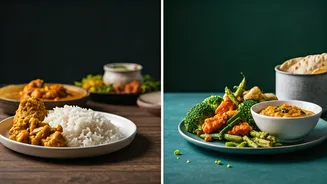
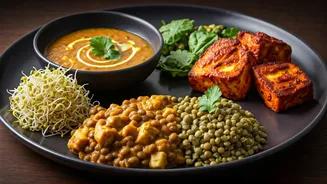
loss often stems from small, sustainable lifestyle adjustments. The initial stride towards shedding extra pounds involves a transformation in your daily eating habits. Fitness influencer Ansh Tripathi imparts straightforward dietary principles for constructing a fat-loss-friendly plate. He emphasized on Instagram that a confusing approach to weight loss might originate from an unbalanced plate. His method showcases how to assemble a fat-loss plate with common Indian foods, bypassing strict dieting and numerical tracking. This approach is built on ensuring your meal composition effectively supports your body's fat-burning mechanisms.
Four Plate Questions
To ensure your meals are conducive to fat loss, every plate should be designed to answer four critical questions. Firstly, 'Where is my protein source?' This nutrient is paramount for satiety and muscle preservation. Secondly, 'Do I have sufficient vegetables?' These provide volume, fiber, and essential micronutrients with minimal calories. Thirdly, 'Are carbohydrates controlled, or are they dominating my meal?' Mindful carbohydrate intake is key to managing energy levels without excess. Finally, 'Is oil consumption under control?' Many diets falter due to excessive unhealthy fats. Failing to address even one of these queries can significantly impede your progress toward your weight loss goals.
The Universal Plate Ratio
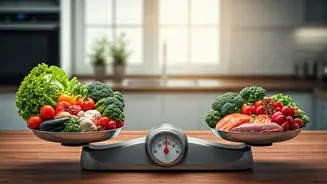
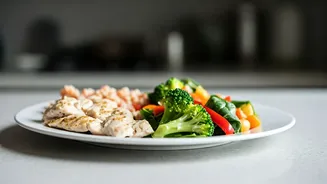
The foundational principle for constructing a fat-loss plate is a simple yet powerful ratio: half your plate should be dedicated to vegetables, with the remaining halves divided equally between protein and carbohydrates. This balanced distribution inherently creates a calorie deficit without requiring meticulous tracking of every morsel. By prioritizing vegetables and ensuring adequate protein, you naturally reduce the overall caloric density of your meal while increasing its volume and nutritional value. This visual guide ensures that your meals are not only satisfying but also strategically designed to support your body's fat-burning processes effectively.
The Crucial Protein
Protein plays an undeniable role in determining the success of your fat-loss efforts. It should be the primary consideration when planning your meals, rather than an afterthought. Insufficient protein intake directly leads to increased feelings of hunger and stronger cravings, making adherence to a diet much more challenging. Furthermore, when your body doesn't receive enough protein, it begins to break down muscle tissue for energy. This not only hinders your progress but also negatively impacts your metabolism, making it harder to lose fat and maintain a healthy physique in the long run.
Vegetables: More Than Garnish
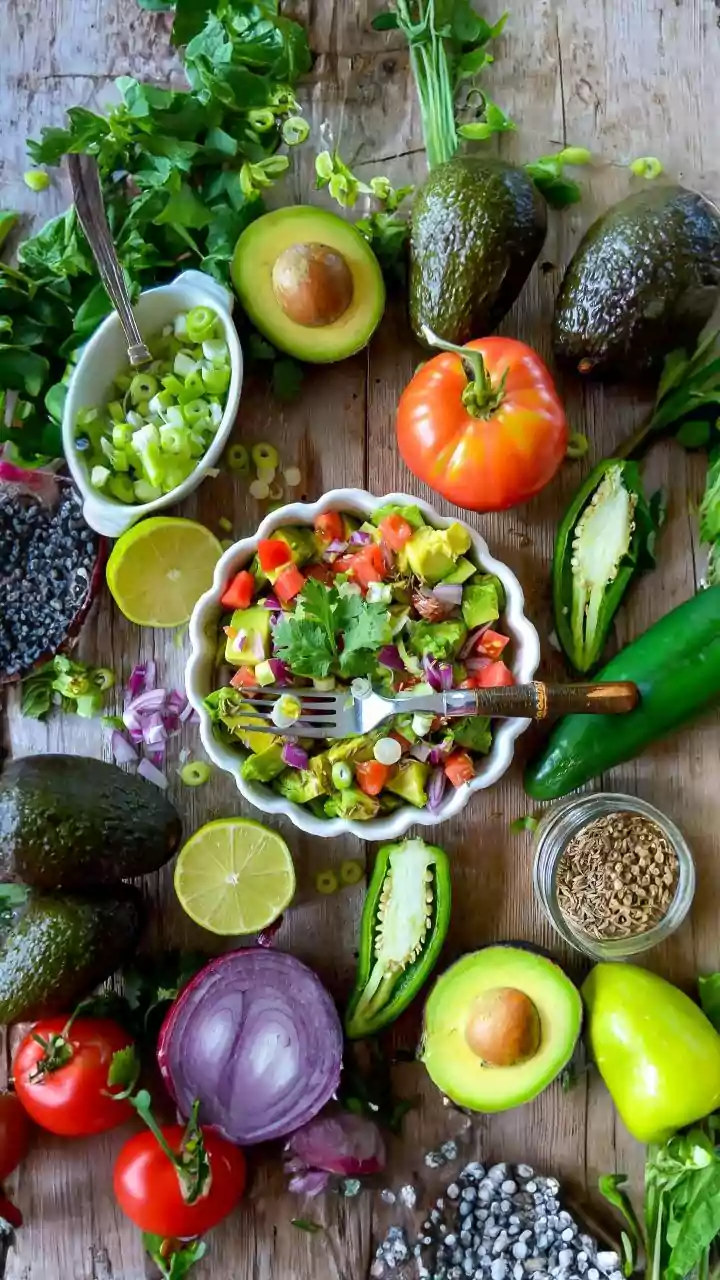
Vegetables are far more than mere aesthetic additions to your plate; they are vital components of a nutritious diet, especially when aiming for fat loss. Aim to include at least two different types of vegetables in every meal, whether they are cooked or served raw. Their high fiber content and water volume contribute to increased satiety, helping you feel fuller for longer on fewer calories. This strategic inclusion of vegetables enhances digestion, provides essential vitamins and minerals, and significantly lowers the overall calorie count of your meal, making it a cornerstone of a healthy eating plan.
Mindful Carb Choices
While carbohydrates are a necessary source of energy, the key to fat loss lies in controlling their quantity rather than eliminating them entirely. When constructing your fat-loss plate, ensure you select only one primary source of carbohydrates per meal. For instance, this could be a single roti or a small cup of rice. On occasion, you might opt for alternatives like poha or upma, but the principle remains to avoid overloading your plate. This controlled approach prevents excessive glucose spikes, supports sustained energy levels, and aids in maintaining a calorie deficit, crucial for effective weight management.
Taming the Fat/Oil
A significant reason why many traditional Indian diets can hinder weight loss is the often-excessive use of fats and oils. It's crucial to limit your consumption of added oils to approximately 2-3 teaspoons per meal. Be particularly mindful of 'double fats' – combinations like oil and ghee, or oil and cream – which significantly increase the calorie density of your food. Remember that even healthy foods can become calorie-dense when prepared with copious amounts of fat. Consciously reducing these added fats is a vital step in creating a truly fat-loss-friendly meal.