





Sustained Lunar Presence
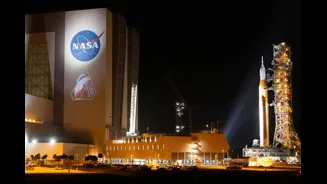
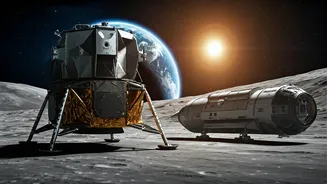
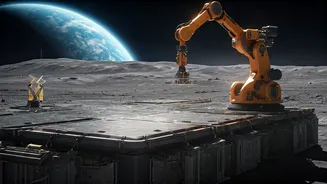
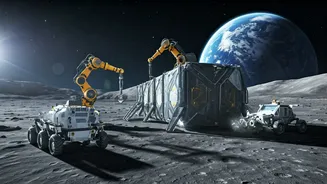
NASA is shifting its lunar strategy from temporary excursions to the establishment of long-term infrastructure, enabling continuous human and robotic activity.
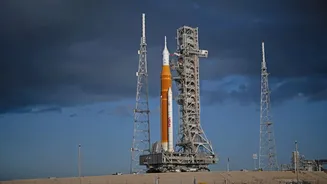
This involves constructing habitats, developing robust power systems, and ensuring a regular cadence of crewed and cargo landings. The agency is dedicating a significant $20 billion to facilitate this ongoing lunar presence, extending far beyond the initial Artemis II mission, which marks humanity's return to the Moon after 1972. This strategic pivot underscores the intensified global space competition and the imperative to empower the space exploration workforce through reduced bureaucracy and streamlined operations, as highlighted by NASA Administrator Jared Isaacman. The aim is for lunar landings to occur at least every six months, commencing with the Artemis IV mission in 2028, while earlier missions like Artemis III will serve as crucial testing grounds for refining the technologies necessary for these long-duration endeavors.
Nuclear Power Innovations
A cornerstone of NASA's forward-thinking strategy involves the integration of nuclear technology. In collaboration with the US Department of Energy, the agency aims to deploy a nuclear reactor on the lunar surface by 2030. This vital power source will ensure consistent energy availability, overcoming the challenges posed by prolonged lunar nights. Looking further afield, NASA is also set to pioneer nuclear electric propulsion in the vast expanse of deep space. The Space Reactor-1 (SR-1) Freedom mission, scheduled for deployment before 2028, will test this advanced propulsion system, promising significantly enhanced efficiency for future journeys to Mars and even more distant celestial bodies. This commitment to nuclear power represents a paradigm shift in enabling sustained and ambitious deep-space exploration.
Mars Helicopter Fleet
Building upon the remarkable success of the Ingenuity Mars helicopter, NASA is planning to deploy a fleet of next-generation helicopters on the Red Planet. These advanced aerial vehicles are designed to explore regions that are currently beyond the reach of rovers, significantly expanding the scope of scientific research and discovery. By offering a new perspective and enhanced mobility, this fleet will unlock unprecedented opportunities to investigate Martian geology, search for signs of past or present life, and gather crucial data for future human missions. The deployment of multiple helicopters signifies a leap forward in Mars exploration, promising a more comprehensive understanding of our neighboring planet.