



Introduction to Tiny
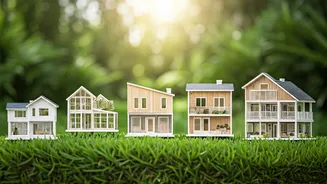
Tiny homes have become increasingly popular, representing a shift towards simpler living. This trend is driven by a desire for affordability, environmental
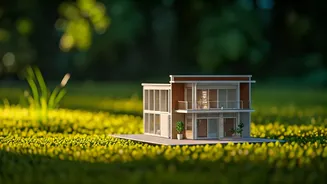
consciousness, and a focus on experiences over material possessions. These small houses, often under 500 square feet, challenge traditional notions of space. They demonstrate how innovative design and thoughtful planning can create comfortable and functional living spaces even in the most compact environments. The growing interest in tiny homes reflects a broader societal movement toward reducing consumption, minimizing environmental impact, and prioritizing a lifestyle that values experiences and community over the accumulation of things. The movement encourages people to reconsider their housing needs and embrace a more sustainable and fulfilling way of life.
The Smallest Homes
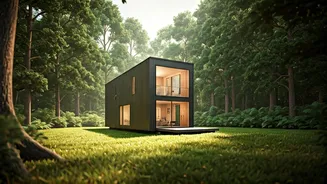
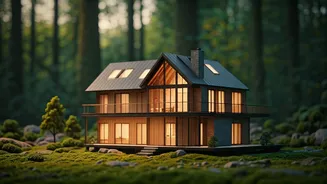
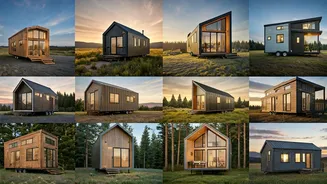
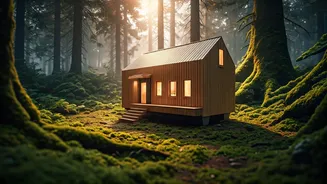
This section delves into 10 of the world's most compact homes, each offering a unique glimpse into minimalistic design. First, a home in Tokyo, Japan, highlights efficient urban living, with its small footprint maximizing every inch of space. Next, a residence in Hong Kong showcases how to create a functional living space in a dense urban environment, where space is a premium. Then, we look at a tiny house on wheels, perfect for those who love to travel, offering the freedom to move from place to place. Following that, a container home transforms a shipping container into a stylish and sustainable living area, providing an eco-friendly option. Furthermore, a micro-apartment in New York City, designed to fit the bustling city, displays creative space-saving solutions. Later, a house in the Netherlands demonstrates how to create a comfortable home in a tight area by using innovative designs and clever organization. Also, we will feature a cabin in the woods, highlighting a connection with nature in a minimalist setting. Finally, we feature a tiny house in Iceland, showcasing how even in extreme environments, you can live comfortably with less.
Design & Innovation
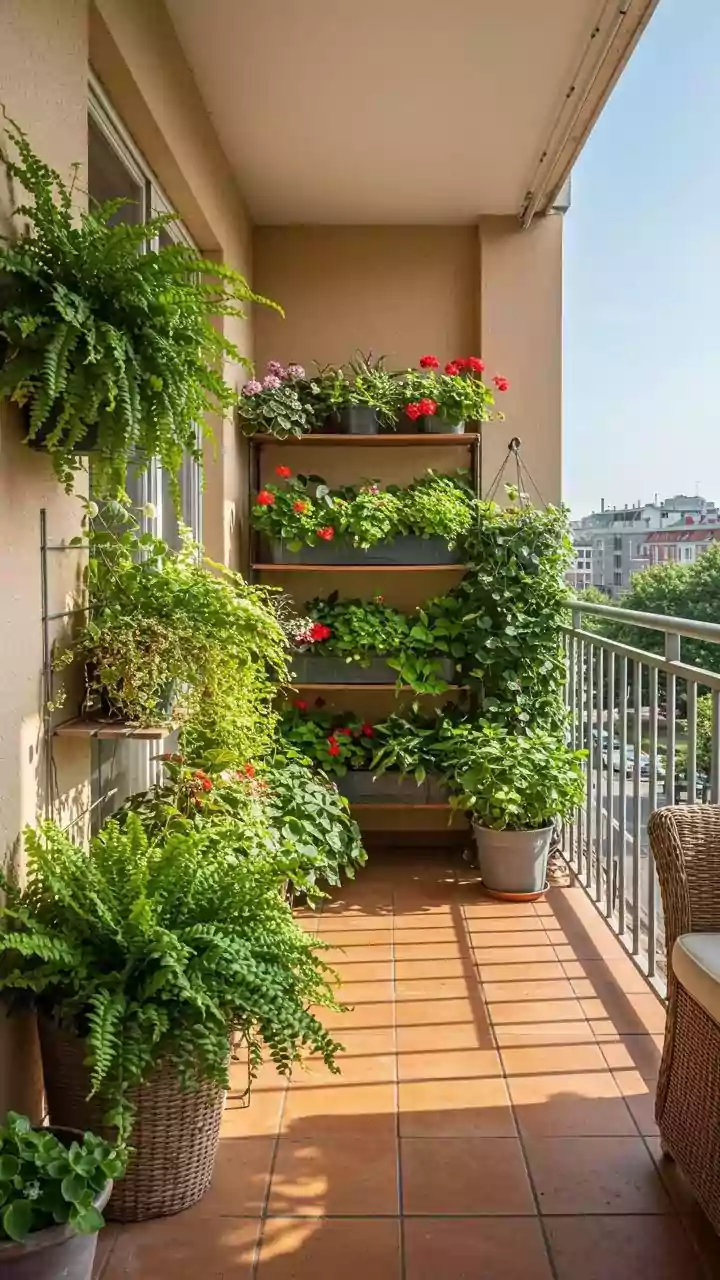
The design of tiny homes often revolves around maximizing functionality within limited space. This section explores several innovative design elements that make these homes livable and efficient. One key aspect is multi-functional furniture, such as beds that fold into walls or tables that convert into desks. Vertical storage is another crucial element, utilizing wall space with shelves and built-in cabinets to store belongings. Large windows are often used to bring in natural light, making the space feel larger. Clever layouts are designed to make the most of every square foot, ensuring a comfortable flow throughout the home. Smart home technology is also implemented to control lighting, temperature, and other features, enhancing convenience and efficiency. The goal of these design elements is not only to save space, but also to create a comfortable, functional, and aesthetically pleasing living environment.
Sustainable Living
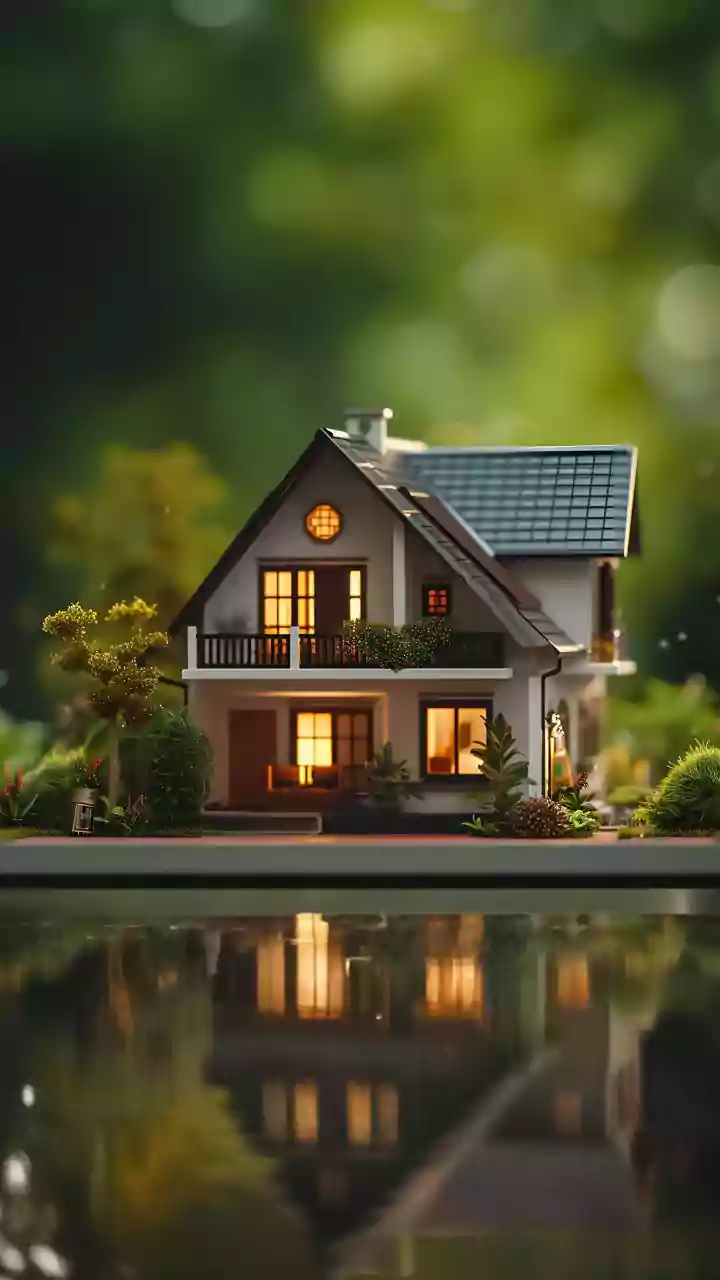
Tiny homes are often associated with sustainable living practices, encouraging a more environmentally friendly lifestyle. They typically have a lower environmental footprint than traditional homes due to their reduced size, which requires fewer materials and less energy for heating, cooling, and maintenance. Many tiny homeowners embrace eco-friendly practices such as using solar panels to generate electricity. Other sustainable features include composting toilets and rainwater harvesting systems, reducing water consumption. The movement is about adopting a simpler way of life, with an emphasis on conscious consumerism and reducing waste. By living in a small space, tiny homeowners are more likely to minimize their possessions and choose items that are essential and durable. This lifestyle often extends to other areas of their lives, such as eating locally sourced foods and choosing eco-friendly transportation, further reducing their impact on the environment.
Challenges & Solutions
Living in a tiny house can present certain challenges, such as dealing with limited space, a lack of storage, and strict zoning regulations. One of the main challenges is learning to live with less, requiring a shift in mindset and a commitment to minimalism. Small spaces can feel crowded, requiring creative solutions for organization and storage. Zoning laws may restrict the construction of tiny homes, so homeowners need to navigate complicated legal processes. Solutions to these challenges often involve adopting practical strategies. Effective organization is crucial, including vertical storage solutions and multi-functional furniture. Homeowners need to downsize their belongings, and embrace the concept of 'less is more'. Community building is very important; tiny house communities can provide support and resources to their members. Adapting to the tiny living lifestyle requires effort, but many find it to be a rewarding experience.
The Future of Tiny
The tiny house movement is expected to grow. The affordability and environmental benefits will continue to attract people of various backgrounds. Technological advancements will likely enhance the functionality and efficiency of tiny homes, with developments in smart home technology, sustainable materials, and modular construction. New trends might include the creation of tiny house communities that offer residents a sense of belonging and shared resources. Collaboration between designers, builders, and policymakers will be essential to remove regulatory barriers and promote the widespread adoption of this lifestyle. Tiny homes represent a broader shift towards a more sustainable and community-focused way of living. As society grapples with issues such as housing affordability and environmental sustainability, tiny homes offer an appealing solution that can inspire innovative ideas about how we live.