


Momos: Steamed Delight
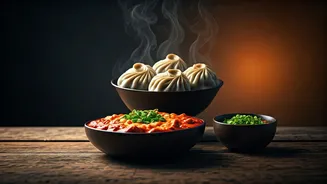
Momos, a staple across the Himalayas, are dumplings that typically feature a savory filling, steamed to perfection. The fillings vary, including ground
meat (often buffalo or chicken), vegetables, or cheese. These dumplings are usually served with a spicy dipping sauce, enhancing the overall flavor profile. Their versatility and simple preparation make them a popular street food and a comforting meal in homes. They're a true embodiment of Nepali comfort food, offering warmth and satisfaction in every bite. The popularity of momos has made them a culinary icon of Nepal, enjoyed by locals and visitors alike.
Dal Bhat: Hearty Staple
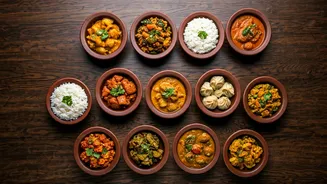
Dal Bhat is the cornerstone of Nepali cuisine. It is a hearty combination of lentil soup (dal) and steamed rice (bhat), often served with vegetable curries or meat dishes. This meal provides a balanced intake of nutrients, making it a daily staple for many Nepalis. The dal is typically rich in flavor, cooked with various spices, and the rice absorbs the flavors wonderfully. The variety of side dishes, from leafy greens to spicy pickles, allows for a customizable and enjoyable dining experience. It's not just a meal; it is a cultural tradition representing sustenance, community, and the essence of Nepali gastronomy.
Thukpa: Noodle Soup
Thukpa is a comforting noodle soup that originated in Tibet and is now a favorite in Nepal. It comes in various styles, including meat-based, vegetarian, and even variations with dumplings. The base is typically a flavorful broth, enriched with vegetables and sometimes meat. Noodles are added, along with spices to enhance the taste. Thukpa is particularly popular during colder months, offering warmth and a nourishing meal. Its adaptability to various preferences and ingredients makes it a versatile dish, appreciated across different regions of Nepal. The hearty nature of Thukpa is an experience on its own.
Sel Roti: Sweet Ring
Sel Roti is a unique Nepali treat: a sweet, ring-shaped rice flour doughnut. It is made by frying a batter of rice flour, sugar, and spices in hot oil. The result is a crispy exterior and a soft, slightly chewy interior. Sel Roti is commonly prepared during festivals and celebrations, adding a sweet touch to any occasion. It is often served alongside savory dishes, offering a pleasant contrast in flavors and textures. The making of Sel Roti is a skill passed down through generations, making it a cultural symbol and a delightful snack.
Chatamari: Nepali Pizza
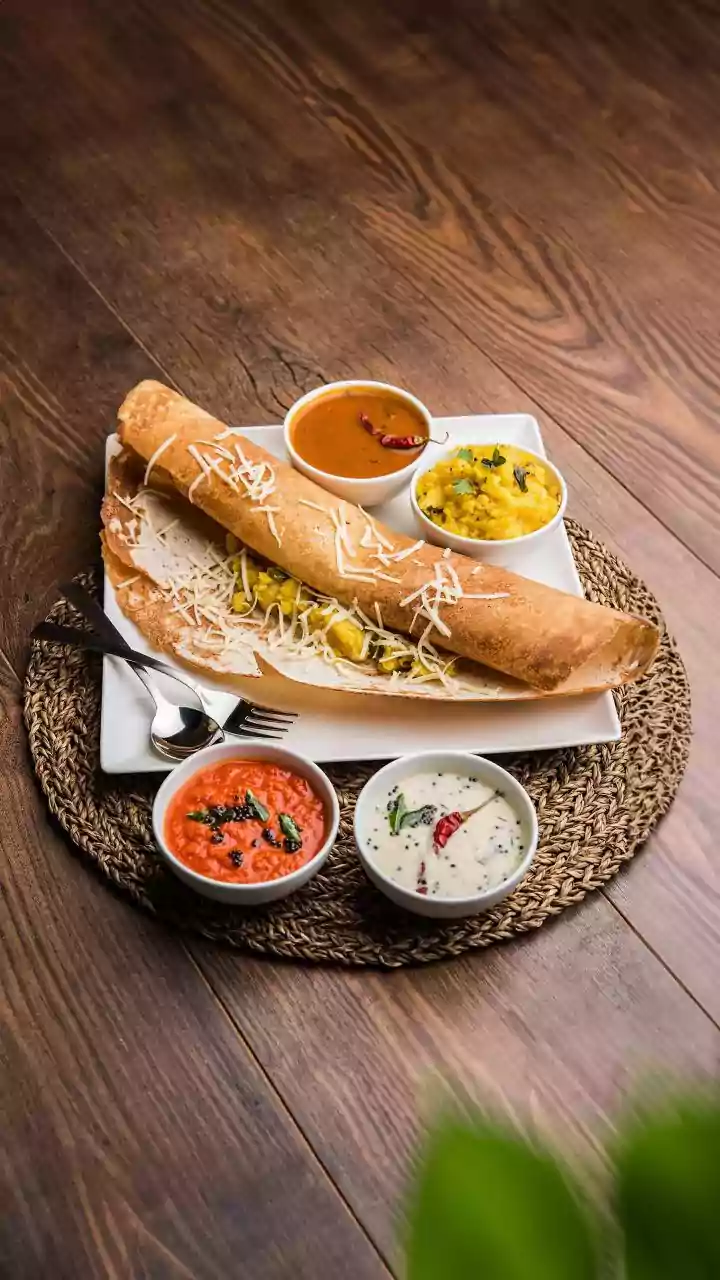
Chatamari is often called the 'Nepali pizza' because it is a rice flour crepe that is topped with various ingredients. Common toppings include minced meat, vegetables, and spices. It is cooked until the base is crisp, and the toppings are heated through. This street food delight offers a delicious balance of textures and flavors. Chatamari showcases the creativity of Nepali cuisine, providing a modern twist on traditional ingredients. Its adaptability allows for endless variations, making it a crowd-pleaser.
Gundruk: Fermented Greens
Gundruk is a fermented leafy green dish, a staple in Nepali cuisine, particularly in the mountainous regions. The greens, typically of mustard or radish leaves, are dried, crushed, and then fermented. The fermentation process gives Gundruk its unique tangy flavor. It is often used in soups, stews, or simply served as a side dish. The dish showcases the resourcefulness of Nepali people who preserve food with fermentation. Its distinct flavor and nutritional value make Gundruk a cherished part of Nepali culinary heritage.
Yomari: Festive Delight
Yomari is a sweet dumpling made during the Yomari Punhi festival, a significant celebration in the Newar community. The dumpling is made from rice flour, and filled with a sweet mixture of molasses and sesame seeds. The shape of yomari is a symbol of prosperity and good fortune. This seasonal treat exemplifies the connection between food and culture. Yomari is not just a food item; it’s a cultural emblem representing the community’s traditions and values. During the festival, communities come together to celebrate with these sweet dumplings.
Jhol Momo: Soup Fusion
Jhol Momo is a delightful variation of momos, served in a flavorful, often spicy, broth. The broth typically includes tomatoes, onions, spices, and sometimes a hint of chili. The momos, whether steamed or fried, are immersed in this rich soup, creating a warming and satisfying dish. It combines the goodness of momos with the comfort of a soup. The broth enhances the flavors of the momos. Jhol Momo exemplifies the ingenuity of Nepali cooks. It is a perfect dish for those who enjoy a blend of textures and bold flavors.
Masu: Meat Dishes
Nepali cuisine features a diverse range of meat dishes known collectively as Masu. From curries to dry-fried preparations, meat plays a significant role in Nepali meals. Common meats include goat, chicken, and water buffalo. The preparation often involves marinating meat in various spices and herbs, then cooking until tender. Nepali meat dishes often have rich and complex flavors, reflecting the influence of spices. The dishes are designed to complement rice, dal, and vegetable sides. Masu offers a taste of Nepali culinary expertise.
Pork: Flavorful Creations
Pork is another beloved ingredient in Nepali cooking. Pork dishes are prepared in various styles. The meat is often slow-cooked with spices, creating tender and flavorful results. From stews to grilled delicacies, pork offers a unique flavor profile to Nepali cuisine. The cooking techniques often involve a combination of dry roasting and simmering, which maximizes the taste. Pork dishes often include other ingredients like potatoes and green chilies. The variety of pork dishes underscores the innovation of Nepali cooks.