
India's Strong Condemnation
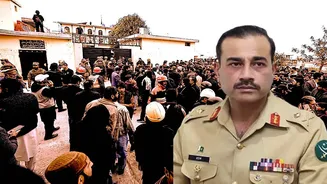
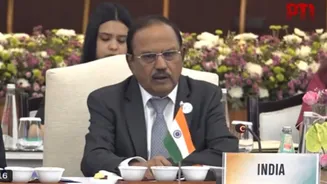
During a session at the United Nations, India unequivocally condemned Pakistan's attacks on Afghan civilians, explicitly labeling them as acts of war.
This strong stance reflects India's deep concern about the safety and security of civilians caught in conflict zones. By denouncing these strikes, India has reiterated its commitment to international humanitarian law, which strictly prohibits attacks on non-combatants. The Indian government's statement underscored the importance of adhering to the principles of proportionality and distinction in warfare, emphasizing that all parties must take all feasible precautions to spare civilians from harm. The condemnation also highlighted India's belief that any actions resulting in the deaths or injuries of innocent civilians were unacceptable and should be condemned in the strongest possible terms. This action reinforces India's role as a responsible global actor dedicated to promoting peace and stability.
Impact on Regional Security
India's condemnation of Pakistan's actions carries significant implications for regional security. By publicly denouncing the strikes, India has drawn attention to the volatile situation in Afghanistan and its potential impact on neighboring countries. The stance underscores India's commitment to regional stability and its willingness to address security concerns through international forums. Such a strong message might also influence other nations to adopt a similar stance on civilian protection. It could also put diplomatic pressure on Pakistan to abide by international law and take steps to protect civilians. Furthermore, this situation could potentially impact the relationship between India and Pakistan and other nations in the area. India's actions also signal its support for diplomatic and peaceful resolutions. The situation will continue to be closely watched by international organizations and other stakeholders committed to regional stability and human rights.
International Law Context
India's condemnation is rooted in the principles of international humanitarian law, which regulates the conduct of armed conflict and seeks to minimize human suffering. This legal framework sets out specific rules that must be followed during warfare, including the protection of civilians and civilian infrastructure. Under international law, intentionally targeting civilians or launching indiscriminate attacks that could harm civilians are considered war crimes. By denouncing Pakistan's strikes, India is therefore upholding international legal norms and emphasizing the importance of accountability for violations of these norms. India's stance highlights the global commitment to protecting civilians in armed conflict and upholding the principles of justice. This legal framework emphasizes that all parties involved in armed conflicts are obligated to take all feasible measures to spare civilians. This includes precautions such as avoiding attacks on civilian areas and infrastructure and providing warnings before attacks when possible, with the intent of protecting innocent lives.