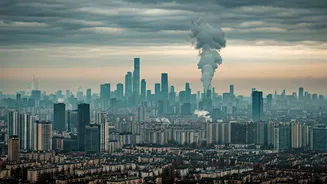









Pollution Hotspots Unveiled
This section delves into the ten cities identified as facing severe pollution, as determined by user data. While the specific data and metrics used to determine the severity
aren't provided in the source context, it is possible to discuss the general types of pollution that impact urban areas. These typically include particulate matter (PM2.5 and PM10), nitrogen dioxide (NO2), and ground-level ozone, all of which pose substantial health risks. Moreover, the causes often overlap: heavy traffic, industrial emissions, and inefficient energy sources like coal-fired power plants. Examining the context of each city, considering its geography, climate, and level of industrialization will give an understanding of each city's unique challenges and where efforts should be focused.
Sources of Contamination
Urban pollution sources are often a complex mix of many contributing factors. Industrial activities are a significant contributor, especially in cities with heavy industry. Manufacturing plants, power generation facilities, and construction sites can release significant pollutants into the air. Transportation, especially the use of cars, buses, trucks, and other vehicles, is another major source. The burning of fossil fuels creates emissions. Household activities, such as cooking with solid fuels or burning waste, can also contribute significantly. Finally, natural sources such as wildfires and dust storms can add to the problem, particularly in certain geographic locations and during specific seasons. These sources do not exist in isolation, with factors such as weather patterns and urban design influencing how pollution spreads and affects the populations.
Impacts on Residents
The effects of pollution on a city's residents are far-reaching and can significantly impact their quality of life. Health issues are among the most serious consequences. Exposure to polluted air can lead to respiratory illnesses like asthma and bronchitis, worsen existing conditions, and increase the risk of cardiovascular diseases. Children and the elderly are especially vulnerable. Beyond health, pollution affects overall well-being. Reduced visibility due to smog can hinder outdoor activities and limit travel options. Additionally, pollution can degrade the natural environment, damage infrastructure, and affect the local economy. Businesses and tourism can suffer from a negative image. The cumulative impact highlights the necessity of reducing emissions and implementing effective policies to safeguard public health and preserve the city's environment for future generations.
Global Solutions Examined
Combating pollution requires a multi-faceted approach, with cities around the world adopting various strategies. Regulatory measures like emission standards for vehicles and industries are critical to curbing pollution. Investing in public transportation and encouraging cycling and walking can help lower emissions from private vehicles. Promoting cleaner energy sources such as renewable energy and transitioning away from fossil fuels can reduce pollution from power plants. Green spaces in urban areas, like parks and tree planting, act as natural air purifiers. International collaborations are also crucial. Sharing best practices, coordinating efforts, and providing financial and technical assistance to those cities facing the greatest challenges can speed up the progress toward cleaner air for all. A range of solutions, applied in context with the cities specific situations, is key for success.
Policy and Action
Governments at all levels play a crucial role in reducing urban pollution. Strong environmental policies and regulations are essential. Enforcing those policies through robust monitoring and inspection programs are just as important. Investment in research and development can drive innovative solutions, such as cleaner technologies and monitoring systems. Public awareness campaigns educate citizens about the health risks of pollution and encourage them to adopt sustainable practices. Encouraging public participation ensures that policy decisions are informed by the needs and perspectives of the people. International cooperation, as discussed earlier, helps to ensure effective solutions are applied to global cities. All of these combined efforts are vital to fostering a healthier environment for all.
Looking Ahead
Addressing urban pollution is an ongoing process that demands continuous effort. The rise of new technologies and data analysis offers fresh opportunities for improvement. Smart city initiatives, which leverage data analytics and technology to optimize resource use and monitor pollution levels, can play a significant role. The use of electric vehicles and cleaner fuels can reduce emissions. Building climate change resilience in urban planning and development can enhance the ability of cities to deal with future environmental changes. Community involvement, as citizens join initiatives like citizen science programs to gather and share information about pollution levels, helps make a difference. Looking ahead, a combined approach is critical to create a sustainable and healthy environment for present and future generations.