






Trump's Stance Explained
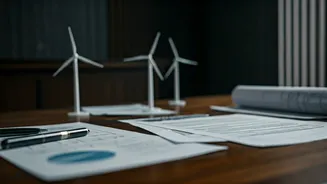
The crux of the matter revolves around Donald Trump's vocal opposition to wind energy. During his time in office, he consistently expressed skepticism
about wind power, often citing its perceived inefficiency and negative impact on the environment. His recent statement reiterated this position, signaling a clear shift away from policies that support renewable energy development. This move directly contradicts the growing global trend towards sustainable energy sources and presents a significant hurdle for companies invested in wind power projects. Trump's focus has seemingly been on fossil fuels and traditional energy sources, which are often favored by his supporters. This change has caught developers off guard, leading them to quickly evaluate their legal and financial options.
Legal Challenges Emerge
Following Trump's announcement, energy developers have initiated legal proceedings to challenge the decision. The specific legal arguments vary, but many lawsuits focus on the legality of the president's ability to unilaterally halt approvals for projects that have already been vetted and approved through various channels. Developers claim that the move undermines existing contracts, investments, and permits, causing them substantial financial losses. Furthermore, they argue that it runs contrary to established environmental regulations and the ongoing transition to renewable energy. Court cases are expected to delve into the extent of executive power in energy policy and the potential impacts on the energy market. The legal landscape is quickly becoming complex, with rulings anticipated to set critical precedents for future energy project approvals.
Industry Impact Examined
Trump's policy shift has sent shockwaves through the wind energy sector, causing uncertainty and potential disruptions to planned projects. Companies have expressed concerns about the loss of investment opportunities and the potential for job losses, highlighting the economic consequences of the decision. Several developers were forced to reassess their development plans. This has raised concerns about the long-term feasibility of wind energy projects, potentially slowing down the transition toward cleaner energy sources. The decision comes at a time when the wind industry was making significant strides in cost reduction and technological advancements. The impact will extend beyond individual companies, affecting investors, suppliers, and the broader renewable energy ecosystem. The situation remains in flux, with many industry stakeholders anxiously awaiting legal developments and policy clarifications.
Potential Outcomes Explored
The legal and political battles surrounding Trump's decision could lead to several potential outcomes. If the courts rule in favor of the developers, the ban on windmill approvals might be overturned, paving the way for the continuation of existing and planned projects. Conversely, if the courts uphold the ban, it could significantly hinder the growth of the wind energy sector, leading to project cancellations and decreased investment in the renewable energy market. Furthermore, the outcome may depend on the evolving political climate and the potential for future policy changes. The long-term impact on the environment and the U.S.'s energy goals will depend on how the legal cases unfold and the responses of different stakeholders. The situation underscores the complex interplay between politics, economics, and environmental sustainability.