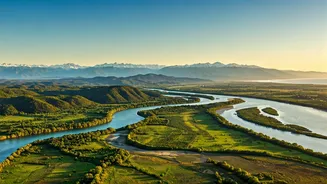

Corbett National Park
Corbett National Park, nestled in the Himalayan foothills of Uttarakhand, stands out as one of India's oldest and most well-known tiger reserves. Established
in 1936, this park provides a rich habitat for tigers with its varied landscape, including grasslands, riverine belts, and dense forests. This diverse ecosystem is crucial for supporting a thriving tiger population, increasing the likelihood of sightings. The park's management also plays a significant role through stringent conservation efforts and controlled tourism, which helps maintain the natural balance. Visitors to Corbett can experience thrilling safaris, offering opportunities to spot tigers along with other wildlife species. The park's established infrastructure, including well-maintained roads and knowledgeable guides, further enhances the overall safari experience. The combination of a favorable environment, diligent conservation, and accessible tourism makes Corbett a top choice for tiger enthusiasts.
Ranthambore National Park
In Rajasthan, Ranthambore National Park is famous for its tigers and the historical fort that overlooks the park. The park's landscape, characterized by rocky terrain, dry deciduous forests, and numerous water bodies, provides a unique environment for tigers. These tigers have adapted well to this environment, often seen roaming amidst the ruins. Ranthambore is also noted for its high tiger density, offering a good chance of spotting these elusive animals. The park's history, intertwined with the presence of the Ranthambore Fort, adds an element of cultural interest to the wildlife experience. Visitors often combine their tiger safaris with visits to the fort, experiencing both natural and historical aspects. The park's accessibility from major cities, coupled with organized safari tours, makes it a popular destination. Conservation efforts and habitat preservation have been crucial in maintaining Ranthambore's tiger population and ensuring memorable experiences for tourists.
Bandhavgarh National Park
Bandhavgarh National Park in Madhya Pradesh is renowned for its high tiger density, offering excellent opportunities for sightings. The park’s diverse terrain, encompassing grassy meadows, steep hills, and dense forests, provides an ideal habitat. This variety supports a substantial number of tigers. The unique topography also facilitates the observation of tigers, as they often traverse open areas. Bandhavgarh’s conservation efforts have been particularly successful, leading to a noticeable increase in the tiger population. This has made the park a favored destination for wildlife enthusiasts and photographers. The park's infrastructure, including well-planned safari routes and experienced guides, contributes to a smooth and enriching safari experience. The combination of high tiger density, diverse terrain, and effective conservation makes Bandhavgarh a top contender for tiger spotting.
Kanha National Park
Kanha National Park in Madhya Pradesh is celebrated for its lush landscapes and the significant tiger population. This park's central location and well-preserved forests provide a sanctuary for various wildlife species, including tigers. Kanha is also famous for its contribution to the conservation of the barasingha, or swamp deer, which is a significant part of the ecosystem, supporting the tiger population. The park’s dense sal and bamboo forests, along with open grasslands, create an optimal habitat for tigers to thrive. These different environments are crucial for hunting and providing shelter. Furthermore, the park management ensures sustainable tourism and rigorous conservation measures, including anti-poaching patrols and habitat improvement. This dual approach safeguards the wildlife and improves the chance of tiger sightings during safaris. Kanha offers a complete wildlife experience, blending natural beauty with effective conservation.
Pench National Park
Pench National Park, straddling the border of Madhya Pradesh and Maharashtra, is divided into a northern and a southern part, offering a blend of landscapes and wildlife. The park's varied habitats, ranging from dense forests to open grasslands, create an environment favorable for tigers. This environment offers various hunting and shelter options for these animals. Pench is also known for its significant role in the story of The Jungle Book, inspiring many to visit. The park is characterized by its efforts in biodiversity conservation, including regular monitoring and community engagement. This dedication enhances the experience and helps the population grow. Visitors to Pench have access to well-organized safari tours and experienced guides who enhance the chances of tiger sightings. The park’s location, combined with its scenic beauty and wildlife, makes it a notable destination.