





Fiber: The Double-Edged Sword
While health experts often tout fiber as a digestive miracle, consuming too much, particularly without sufficient hydration, can actually lead to uncomfortable
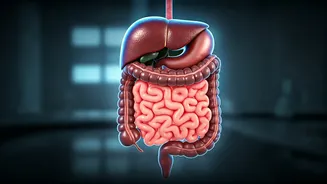
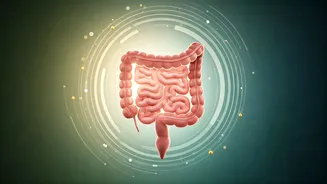
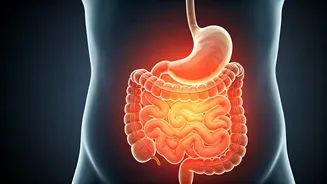
gastrointestinal issues. This occurs because fiber absorbs water to create soft, bulky stools essential for easy passage. When water intake is inadequate, the fiber consolidates, leading to harder stools, slower transit through the digestive system, and increased straining during bowel movements. It's a common oversight that can turn a beneficial dietary component into a source of discomfort and even worsen existing constipation. Therefore, understanding the delicate balance is key to harnessing fiber's positive effects without experiencing its negative consequences.
Recommended Fiber Intake & Benefits
For optimal gut function, it's important to meet certain daily fiber targets. Men are advised to aim for a minimum of 38 grams per day, while women should target at least 25 grams. Exceeding these minimums, by an additional 25 to 40 grams daily, has been shown to offer significant benefits. This increased intake can lead to more frequent bowel movements, effectively combating constipation. Furthermore, a higher fiber consumption plays a crucial role in improving glycemic control, which is particularly beneficial for individuals managing conditions like diabetes. The enhanced stool frequency and softer consistency contribute to a more comfortable and efficient digestive process.
Hydration: The Unsung Hero
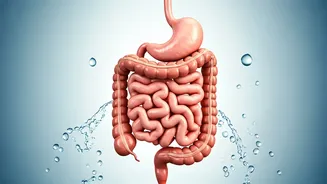
The single most critical factor often missed when increasing dietary fiber is consistent and adequate water consumption. Experts emphasize drinking at least 2-3 liters of water daily, a target that becomes even more vital when boosting your fiber intake. This hydration is not merely for thirst quenching; it's fundamental to fiber's function. Water allows fiber to swell and form the soft, pliable mass that facilitates smooth passage through the intestines. Without enough water, the fiber can become compacted, leading to the very problems it's meant to solve: constipation and discomfort. Ensuring sufficient fluid intake is paramount to experiencing the benefits of fiber without the detrimental side effects.
Potential Pitfalls of Excess
Consuming more than 40 to 50 grams of fiber daily, especially if not managed with proper hydration and gradual introduction, can inadvertently cause digestive distress. This overconsumption can manifest as significant abdominal discomfort, bothersome bloating, and the production of gas. In cases where water intake is insufficient, the fiber's inability to properly hydrate can result in overly hard stools, exacerbating constipation rather than alleviating it. Moreover, the type of fiber consumed also plays a role; certain fermentable fibers can intensify these symptoms in sensitive individuals. It's also worth noting that very high fiber intake might interfere with the body's absorption of essential minerals like zinc and iron, further underscoring the need for a balanced approach.
Gradual Increase & Listening to Your Body
To safely incorporate more fiber into your diet and avoid negative repercussions, a gradual approach is recommended. Begin by slowly increasing your fiber intake over several weeks, allowing your digestive system time to adjust. This phased introduction, coupled with diligently increasing your water consumption to the recommended 2-3 liters daily, is essential. Pay close attention to your body's signals; some individuals may find that their gut tolerates certain types or amounts of fiber better than others. If you experience persistent bloating, gas, or discomfort, it may be an indication to scale back slightly or consult with a healthcare professional to tailor a fiber plan that suits your unique needs and sensitivities.