







A Welcoming Heritage
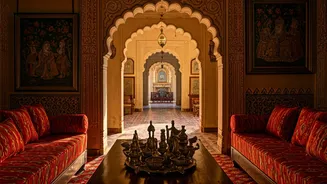
Upon entering Diya Kumari's Jaipur residence, one is immediately struck by a profound sense of tradition, embodying the Rajasthani adage, 'Atithi Devo
Bhava' or 'Guest is God'. This ethos is not merely symbolic but actively shapes the home's aesthetic, from the food served to the artwork adorning the walls. As psychologist Neha Cadabam notes, environments reflecting cultural heritage become repositories of memory and identity, reinforcing a sense of belonging and emotional grounding. This residence, though an official allotment, is meticulously layered with artefacts that root it firmly in Rajasthan's artistic traditions, showcasing a deliberate fusion of legacy and personal narrative. The very act of hospitality sets a tone that is both culturally rich and psychologically resonant, making guests feel not just welcomed, but deeply connected to the spirit of the place.
Walls Narrating History
The walls of Diya Kumari's home are more than just structural elements; they are canvases that narrate Rajasthan's storied past. A prominent painting of Amber Fort, the former capital, serves as a potent reminder of the state's glorious history and architectural grandeur. Kumari emphasizes that each Rajasthani fort, from Kumbhalgarh with its impressive wall length (second only to the Great Wall of China) to the desert citadel of Jaisalmer, tells a unique tale. This deep connection between landscape and identity is crucial, as Cadabam explains, because cultural symbols evoke pride, connect individuals to a larger narrative beyond personal achievements, and strengthen self-identity. These elements create a psychological continuity, reassuring individuals of their place within an enduring story, fostering emotional stability and a robust sense of self.
Personal Touches Flourish
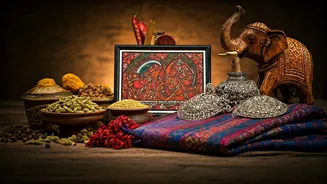
Despite its status as an official residence, Diya Kumari's Jaipur home is imbued with a distinctly personal design philosophy, championing local craftsmanship. She has actively curated the space with elements that highlight Rajasthan's renowned artistic traditions. Visitors will find cushions adorned with traditional Sanganeri prints, delicate displays of the region's famed blue pottery—including a striking piece featuring Srinathji—and meticulously framed miniature paintings. Kumari's dedication to integrating local handicrafts transforms the residence into a vibrant showcase of artisanal skill. This deliberate incorporation of local art and craft not only beautifies the space but also reinforces a connection to her cultural roots, creating an environment that is both aesthetically pleasing and deeply meaningful.
Spiritual Echoes Beyond
While deeply rooted in Rajasthani heritage, the residence also embraces spiritual connections that extend beyond the state's borders. A serene painting of the ghats of Varanasi, for instance, adorns one corner, a testament to historical ties and personal reverence. Kumari's family lineage is connected to the city through Raja Man Singh's contributions, adding a layer of profound significance. She finds this artwork deeply beautiful and spiritual, using it as a focal point for morning reflection and work. This contemplative space underscores how art can transcend mere decoration, becoming a source of peace and a sanctuary for introspection within a busy public life, demonstrating the multifaceted ways in which personal sanctuaries can foster emotional well-being.
The Office Sanctuary
Amidst the visually rich and historically significant decor, Diya Kumari identifies her office as her favorite space, a choice that speaks volumes about the psychological importance of personal sanctuaries. This practical area offers her peace and a conducive environment for work and interaction. As Cadabam explains, individuals naturally seek a balance between social engagement and solitude, often creating private corners for psychological safety and a sense of control. These personal spaces support focus and creativity by providing a predictable, calming environment, acting as restorative zones that aid in emotional regulation and mental clarity amidst the demands of public life.
Treasures from Travels
Another sunlit room in the residence serves as a curated gallery of art collected from various travels, both within India and internationally. Kumari's practice of acquiring art from different countries and cities reflects a broader appreciation for global craftsmanship and a desire to support artisans. Beyond personal mementos, these pieces represent a commitment to showcasing the creations of artists who might otherwise lack broad reach. This approach transforms the residence into a quiet, global exhibition of craft traditions, fostering cultural exchange and acknowledging the value of diverse artistic expressions. It highlights how collections, whether personal or inherited, can imbue a home with a rich tapestry of experiences and global connections.
Courtyard's Light
The architectural design of the Jaipur residence incorporates an open courtyard, a traditional feature that bathes surrounding rooms in natural light, fostering an airy and luminous ambiance. Kumari expresses her fondness for this abundant sunlight, appreciating the lightness and openness it brings to the living spaces. This design element harks back to older Indian homes where architecture was intrinsically linked to climate and daily life. Psychologically, such bright, open spaces offer a 'mental reset zone,' allowing individuals to temporarily step away from social roles and external pressures. These moments of solitude are vital for emotional regulation and mental clarity, helping to mitigate cognitive overload from constant stimulation.
Heirlooms of Legacy
Beyond the visual art and interior design, Diya Kumari's personal wardrobe, particularly her extensive saree collection, acts as a profound repository of inherited history. Many of these garments are cherished heirlooms, passed down from her grandmother and mother, carrying with them generations of memories and significance. She also enjoys acquiring sarees, viewing each as a tangible piece of a place or experience. This collection not only reflects a deep appreciation for traditional textiles and craftsmanship but also symbolizes a continuity of lineage and personal narrative. The sarees, like the art and antiques, contribute to the home's narrative, weaving together personal history with the broader cultural heritage of Rajasthan and beyond.