




A Home of Intent
Shaan's Mumbai residence is more than just a house; it's a carefully curated triplex that harmoniously blends the demands of a music career with the intimacy
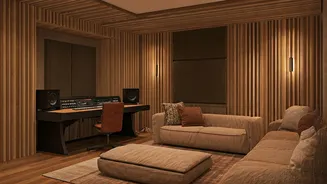
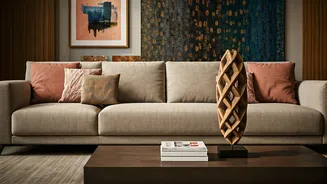
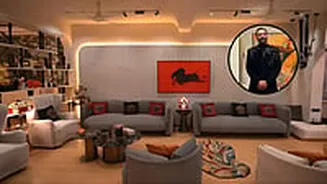
of family life. Upon entering, one is struck not by ostentatious luxury, but by a palpable sense of purpose and thoughtful design. The interior features a balanced interplay of earthy tones and rich textures, creating distinct areas for both professional pursuits and personal relaxation. This intentionality is evident in the layout, which encourages family interaction, as highlighted during a home tour with Farah Khan. The philosophy that "Family makes this house a home" resonates throughout, with cozy nooks and an open dining space fostering togetherness. The unique triplex structure, combining living spaces with a dedicated studio on a separate floor, allows for different moods and functional needs to be met seamlessly, showcasing a home designed for living rather than mere display.
A Wife's Vision
The distinctive personality of Shaan's home is largely attributed to the interior design sensibilities of his wife, Radhika Mukherjee. Her creative vision has transformed the triplex into a space that feels both personal and aesthetically pleasing, a fact acknowledged by Farah Khan during her visit. What makes the design particularly noteworthy is its dynamic nature; it's a home that embraces change rather than striving for static perfection. Their son's observation that "mom is always changing something in the house" perfectly encapsulates this ongoing evolution. This adaptability ensures the living environment remains fresh and responsive to the family's needs, reflecting a commitment to a home that grows and transforms with its occupants. This approach celebrates a space that is alive and continually being reshaped.
Creative Synergy
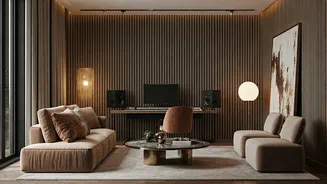
The integration of creativity into the daily fabric of life is a cornerstone of Shaan's home design. Dedicated spaces, such as the music studio shared by Shaan and his sons, underscore this commitment. Beyond the professional studio, the home offers casual areas where work and leisure gracefully intersect, blurring the lines between personal and professional spheres in an organic manner. This thoughtful arrangement allows for the seamless flow of creative energy throughout the residence, fostering an environment where inspiration can strike at any moment. The design promotes a lifestyle where artistic endeavors are not confined to a separate room but are woven into the very essence of the living experience, making the home a hub of both relaxation and artistic output.
Psychology of Comfort
From a psychological standpoint, homes that embrace warmth, natural hues, and communal areas cultivate a profound sense of security. According to Sonal Khangarot, a rehabilitation counsellor, colors derived from nature—such as browns, beiges, and muted greens—are inherently calming, signaling familiarity and safety to the brain, thereby aiding in stress reduction. The presence of shared spaces is also crucial; these areas naturally encourage family interactions, reinforcing feelings of predictability and belonging, which are fundamental to emotional well-being. Furthermore, elements like warm lighting and softer textures mitigate sensory overload, facilitating relaxation. Over time, such environments condition individuals to associate their homes with peace and restoration, highlighting how intentional design directly influences feelings of safety and being supported.
The Evolving Dwelling
The concept of a constantly evolving home environment offers a dual psychological effect: it can be both stimulating and, at times, destabilizing. Sonal Khangarot explains that the impact hinges on the frequency, intentionality, and an individual's need for predictability. Moderate, purposeful changes, like redecorating or rearranging furniture, can boost mental engagement, spark creativity, and foster a sense of renewal by introducing novelty. This novelty activates the brain's reward pathways, improving mood and alleviating monotony. However, excessive or inconsistent alterations can undermine one's sense of stability. Humans often rely on environmental cues for grounding, and a perpetually shifting space can inadvertently signal unpredictability, leading to restlessness or anxiety, particularly for sensitive individuals. The ideal scenario involves a balance, maintaining stable 'anchors' like familiar spots or personal items while incorporating periodic updates to keep the home engaging yet reassuring.