




![[WATCH] 'Real Madrid, Ramadan and rest' - Mohammed Siraj how last-minute World Cup call-up changed February plan](https://g-mob.glance-cdn.com/public/fc/image/ByYT_LEmlrD0.webp)
Temperature Plunge Observed
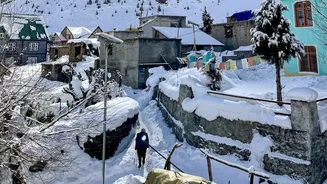
The Delhi-NCR region recently experienced a considerable drop in temperatures, marking a significant intensification of the winter chill. The mercury dipped
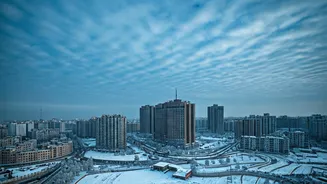
to a low of 3.3 degrees Celsius, highlighting the severity of the cold wave. This stark figure reflects the harsh weather conditions that residents of Delhi and surrounding areas had to contend with. Such low temperatures are notably below the seasonal average and contributed to the widespread discomfort felt throughout the region. The impact was immediately visible across the city, influencing daily routines and prompting people to take extra precautions against the cold.
Impact on Daily Life
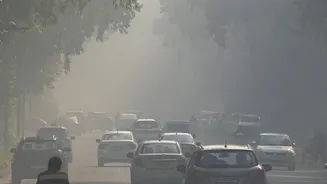
The cold wave's effect was far-reaching, substantially altering the daily lives of those in the Delhi-NCR area. The dip in temperatures prompted people to modify their habits and routines. Morning walks and outdoor activities were curtailed, with many opting to stay indoors longer than usual. The requirement for warm clothing such as heavy jackets, scarves, and gloves increased, reflecting the severity of the weather. Furthermore, the drop in temperature had a noticeable effect on the city's infrastructure and public services, as well. Efforts were likely made to provide relief and support to vulnerable populations, including the homeless and elderly, ensuring their well-being amid the extreme conditions.
Broader Regional Context
The cold wave affecting Delhi-NCR is part of a broader weather pattern that influences North India during the winter months. Factors such as the influx of cold winds from the Himalayas and the prevailing atmospheric conditions contribute to these temperature drops. Regional weather reports and forecasts play a crucial role in keeping the public informed about the impending severity of the cold wave. These reports provide essential information to people, prompting them to take necessary actions to safeguard their health and welfare. Moreover, the impact of such severe weather events often extends to various sectors including transportation, which may face disruptions, and public health, which needs to address cold-related illnesses.