
Strait of Hormuz Exercises
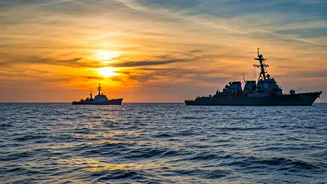
The US regional command, United States Central Command, announced that Iran's Revolutionary Guard Corps would conduct a two-day live-fire naval exercise
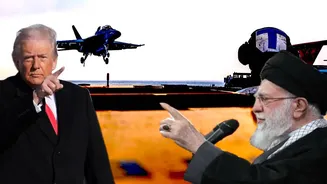
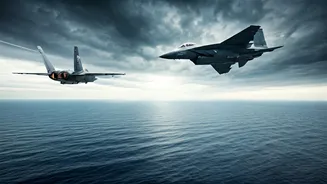
in the Strait of Hormuz. This action prompted a warning against "any unsafe and unprofessional behaviour near US forces." The deployment of US naval forces, spearheaded by the aircraft carrier USS Abraham Lincoln, further intensified the situation. This move followed threats of intervention from the US, adding to existing concerns.
US Military Posture
Following threats to intervene, the United States dispatched warships led by the aircraft carrier USS Abraham Lincoln toward Iranian shores. This deployment heightened existing tensions. The President stated that US allies in the region were not being briefed about potential military plans, citing security concerns. This move has amplified fears of direct confrontation. Iran warned it would respond with missile strikes targeting US bases, ships, and allies, particularly Israel, if attacked. This included a warning from Iranian army chief Amir Hatami to Washington and Israel to avoid strikes, indicating a state of full defensive and military readiness.
Negotiations and Talks
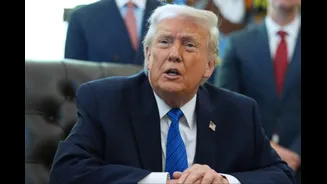
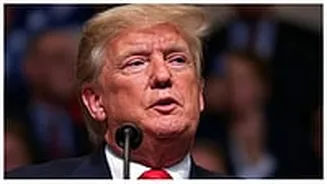
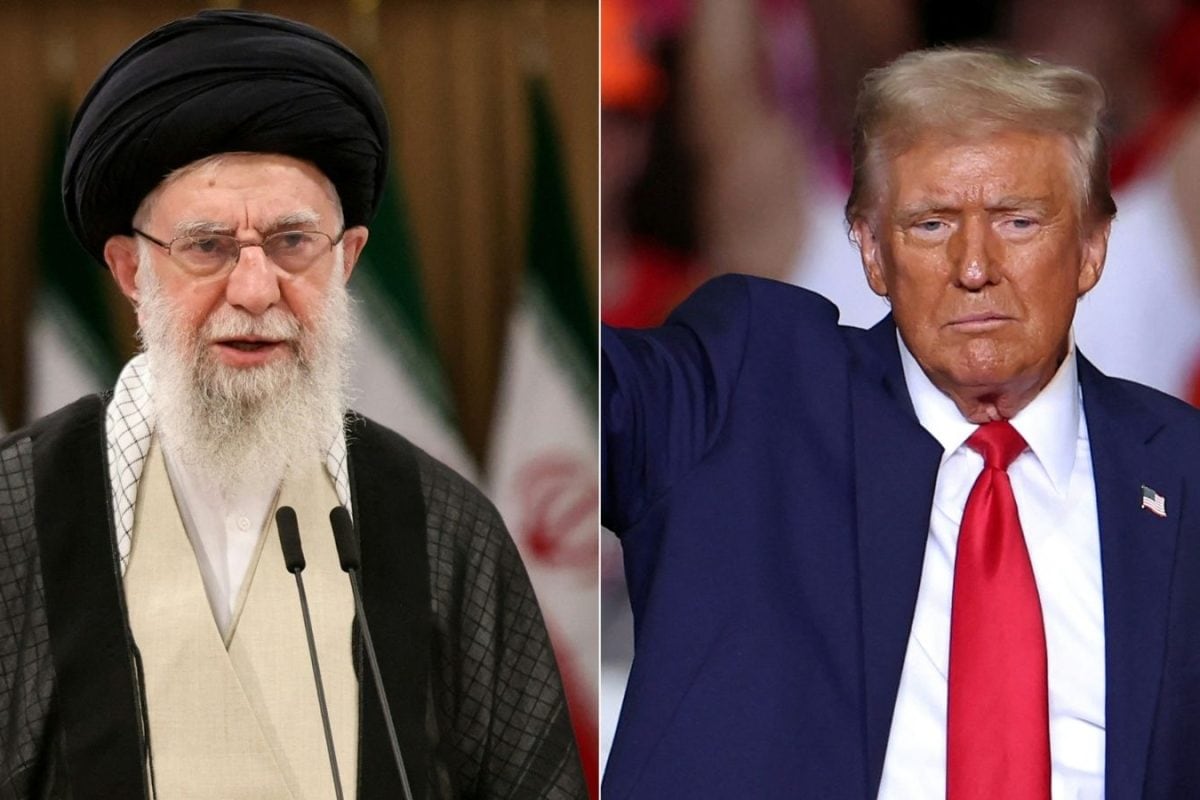
Amid the military posturing, discussions about negotiations were also underway. Donald Trump stated that Iran was negotiating with the United States. He added, "Well, we can’t tell them the plan. If I told them the plan, it would be almost as bad as telling you the plan, it could be worse, actually." Ali Larijani, head of Iran’s Supreme National Security Council, mentioned structural arrangements for negotiations were progressing, in contrast to media hype of a possible war. Meanwhile, Qatar’s foreign ministry reported that the Prime Minister and foreign minister had met with Larijani in Tehran to reduce regional tensions.
Iranian Stance on War
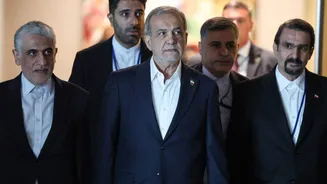
Iranian leaders expressed their views on the possibility of war, seeking to project restraint. Iranian President Masoud Pezeshkian emphasized that a broader conflict would harm both Iran and the United States. During a call with Egypt’s leader Abdel Fattah al-Sisi, Iranian President Masoud Pezeshkian asserted that Iran has never sought war. Moreover, the Iranian presidency stated Iran does not see war as being in the interest of Iran, the United States, or the region. This stance was underscored against the backdrop of rising tensions, including warnings from Iranian authorities about retaliatory measures if attacked.
Protests and Casualties
The unrest in Iran, triggered by the government's actions, continues to be a source of instability. Authorities reported at least 3,117 deaths in the protests that erupted late last year. The US-based Human Rights Activists News Agency confirmed 6,713 fatalities, which included 137 children. Iranian citizens interviewed at a border crossing with Turkey described fleeing violence and repression, highlighting the uncertainty surrounding the standoff between Tehran and Washington. These accounts underline the internal challenges in addition to the external threats faced by Iran during this period.