
Global Power Shifts
The global balance of power has been a constant subject of debate, and the actions of Donald Trump have brought it into even sharper focus. While allies
might cooperate in the short term, the repercussions of damaged trust could be significant. Moreover, various analyses suggest a potential 'rupture in the world order,' a phrase that encapsulates the seismic shifts occurring in the international landscape. Considering the rise of new rivalries and the strategic importance of regions like the Horn of Africa, the impact of these changes demands careful consideration. Trump's approach to foreign policy, which has been described as an 'epochal shift,' creates new dynamics. These could redefine the roles of major players and reshape international relations. The emphasis on strong countries dominating weaker ones, and the potential implications of these strategies on the long-term position of the United States, should be examined.
Alliances Under Pressure
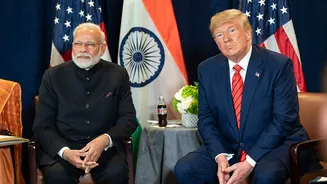
The alliances that have long shaped the world order are facing unprecedented stress. Trump's approach, which involves tariffs and a willingness to challenge established norms, has put pressure on longstanding partnerships. The relationship between India and the EU, for instance, has been affected by Trump's trade policies. The potential for these actions to create fear and uncertainty in the international community is noteworthy. The 'Donroe Doctrine' and the idea of a 'World-Minus-One Moment' emphasize the potential for a weakening of global cooperation. The reactions to Trump's actions, such as Europe's proactive efforts to protect Greenland, show that other nations are taking measures to safeguard their interests and counter perceived threats. These actions could create a new era of global relations, in which trust is at a premium and old alliances are strained.
Risks of Leadership
The strategies that have been deployed during Trump’s leadership have significant potential downsides. Many of his policy decisions and statements have been interpreted as undermining established norms. The pursuit of power and influence, such as the potential annexation of Greenland, can lead to strategic catastrophes and increased global tension. The risks of this kind of leadership style are not just theoretical; they have tangible implications for the country’s standing in the world. The shift in foreign aid and the promotion of dominance can erode trust and generate resentment. These actions risk long-term damage to the international perception of the United States. His approach prompts others to reassess their global positions. The consequences of Trump’s actions, however, are likely to extend far beyond the duration of his time in office. This creates an environment where collaboration and trust become commodities, making global problem-solving more difficult.
Impact and Legacy
Trump's foreign policy has had a profound influence on the world stage. His approach has prompted new alliances, trade agreements, and defense strategies. The potential for conflict and the rise of new rivalries, especially in strategically important regions, are consequences of this approach. The focus on China’s tech sector and its impact on the economy, and the potential for military purges, highlight the complex interplay between internal affairs and global influence. The emphasis on power politics, as reflected in the Board of Peace’s strategies, underlines the complex calculations underpinning international relations. The legacy of his leadership will likely be the subject of academic debate. The lasting impact is the subject of ongoing scrutiny. Trump's foreign policy is a crucial subject for understanding the evolving world order and the challenges of the future.