





Escalation and Retaliation
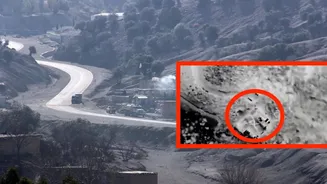
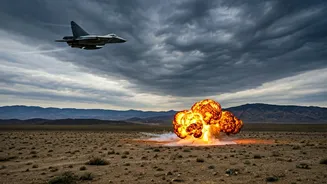
Pakistan initiated a significant military action, dubbed 'Ghazab lil-Haq', on February 27, 2026, launching air strikes targeting locations in Kabul and
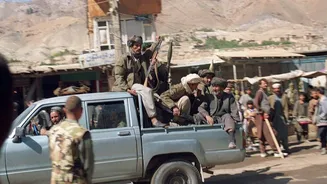
Kandahar. This move was characterized by Pakistani officials as a direct counter-strike against what they described as unprovoked attacks on their military outposts late the previous evening. Residents in Kabul reported hearing substantial explosions, confirming the aerial bombardments. Conversely, the Afghan Taliban vehemently condemned Pakistan's actions, labeling them as blatant aggression. They asserted that their own operations were merely defensive responses to prior provocations, setting the stage for a dangerous cycle of retaliatory measures between the two entities along their shared border.
Border Clashes and Casualties
The latest surge in hostilities commenced late on Thursday with the Afghan Taliban announcing a "large-scale preemptive operation." During this initial exchange, Pakistan's Information Minister, Attaullah Tarar, confirmed the loss of two Pakistani soldiers and injuries to three others. In contrast, Taliban spokesperson Zabihullah Mujahid claimed their forces had successfully seized 15 military posts and inflicted significant casualties on Pakistani soldiers, a claim that Islamabad forcefully denied. The Pakistani Prime Minister's spokesperson, Mosharraf Zaidi, refuted reports suggesting substantial damage to Pakistani infrastructure, maintaining that their security forces had effectively neutralized several Afghan posts and destroyed their equipment in the ensuing clashes.
Cycle of Violence Intensifies
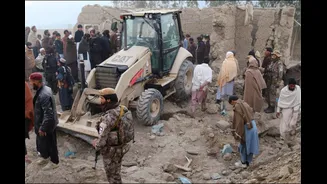
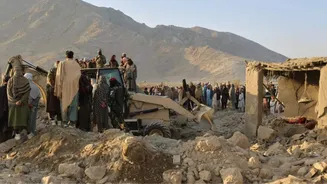
The current wave of violence is not an isolated incident; it follows earlier Pakistani air strikes conducted earlier in the week. Islamabad stated these strikes were aimed at 'militant camps.' However, Kabul officials disputed this narrative, asserting that the strikes resulted in the tragic deaths of 18 individuals, including women and children, in what they described as a religious school and surrounding civilian homes. The Taliban's military spokesman, Mawlawi Wahidullah Mohammadi, explicitly stated that the Friday offensive was the 'retaliatory action at the appropriate time' that Kabul had previously warned of, underscoring a pattern of tit-for-tat actions and escalating tensions.
Humanitarian Crisis Unfolds
The ongoing conflict has precipitated a severe humanitarian crisis, forcing thousands of civilians to flee their homes along the vast, mountainous 1,600-mile (2,574 km) border. Residents situated near the critical Torkham border crossing have been issued evacuation orders due to the intense artillery fire. Adding to the crisis, authorities have suspended the repatriation process for deported Afghan nationals and completely closed the crossing to any new refugees. This closure has left thousands of vulnerable individuals stranded in a perilous and active combat zone, exacerbating an already dire humanitarian situation and raising international concern.