




Heart Health Insights
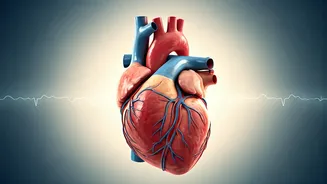
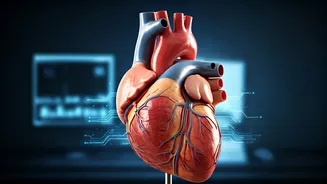
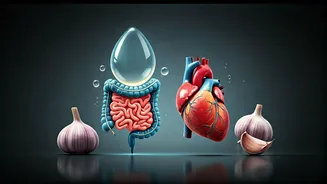
Garlic supplements have garnered significant attention for their potential to bolster cardiovascular well-being, primarily by influencing cholesterol levels
and blood pressure. While research suggests a modest positive effect, particularly in reducing LDL (bad) cholesterol by approximately 6-9%, it's crucial to understand that these supplements are not a standalone solution for serious heart conditions. Experts emphasize that the impact can vary considerably among individuals and is often temporary, with benefits diminishing once supplementation ceases. When integrated with a healthy lifestyle, including balanced nutrition and regular physical activity, garlic pills can contribute to maintaining cholesterol within a normal range and supporting overall heart health, but they should not be considered a transformative treatment on their own.
Gut Health Considerations
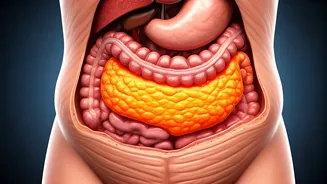
The role of garlic supplements in digestive health presents a more nuanced picture. Garlic contains natural compounds that act as prebiotics, theoretically fostering the growth of beneficial gut bacteria. However, the conversion of fresh garlic's benefits into supplement form doesn't always translate smoothly for the digestive system. For some individuals, particularly those with sensitive stomachs, these concentrated forms can paradoxically lead to irritation rather than support. Therefore, while garlic in its natural dietary form might contribute to a healthier gut microbiome, its efficacy and safety as a supplement for digestive disorders are limited and not a primary recommendation.
Choosing the Right Form
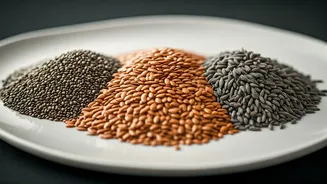
Navigating the variety of garlic supplement forms available, including powders, oils, extracts, and tablets, can be confusing as there's no definitive consensus on which is superior. Some studies have pointed to garlic powder as a consistent performer in cholesterol management. Research also suggests that certain supplements can deliver higher, sustained levels of allicin, a key active compound, compared to fresh garlic, which causes a rapid but short-lived spike. Non-enteric-coated tablets have shown promise in maintaining allicin presence in the bloodstream for extended periods. While typical dosages in studies for cholesterol benefits range from 500 to 1,000 mg daily, formal guidelines for optimal intake remain elusive, underscoring the need for personalized advice.
Supplementation Necessity
The decision to incorporate garlic supplements into one's routine isn't universally applicable. Individuals who regularly consume garlic as part of their diet are unlikely to experience substantial additional advantages from supplementation. Garlic supplements are typically considered for specific situations, such as mild elevations in cholesterol or blood pressure, and always under the guidance of a healthcare professional. Experts strongly advocate for prioritizing foundational health practices, like weight management through adequate protein intake and hydration alongside exercise, before turning to supplements. The overarching consensus is that garlic supplements are an optional addition rather than an essential component of a health regimen.
Potential Side Effects
While generally considered safe, garlic supplements are not without potential adverse effects. Common reactions can include digestive discomforts like acidity, bloating, nausea, heartburn, and gas. A more noticeable, though often benign, side effect is a strong breath and body odor. More significantly, garlic possesses mild blood-thinning properties. This characteristic can heighten the risk of bleeding, especially for individuals already on anticoagulant medications such as warfarin, or those taking certain HIV drugs, cyclosporine, isoniazid, or NSAIDs. It is advisable for individuals scheduled for any surgical procedures, including dental work, to discontinue garlic supplement use beforehand, ideally after consulting with their doctor.