




Challenging the Staple
A noticeable shift is occurring across India's digital landscape, with a growing number of individuals questioning the traditional role of roti in their
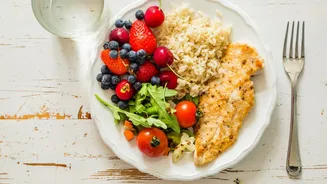
everyday diet. Take Akriti, for instance, a medical professional who has consciously excluded roti and rice from her meals for nearly a decade. Her daily diet now centers around lentil-based dishes like moong dal chilla, accompanied by vegetables. She attributes her sustained energy levels and proactive approach to managing a family history of diabetes to this dietary choice. This personal decision reflects a broader online conversation, amplified by public figures like actor Gurmeet Choudhary, who also reported abstaining from staples like roti and rice. This trend suggests a widespread desire for improved nutritional balance in response to modern health concerns and lifestyle demands, moving beyond mere fads towards long-term well-being.
The Rise of 'Fixing' Roti
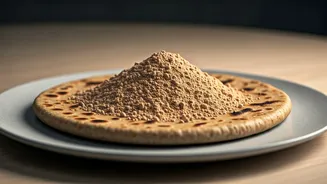
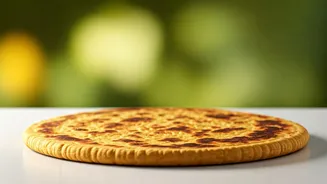
While completely abandoning a cultural cornerstone like roti is challenging for many, a new wave of food innovation offers a different approach: 'fixing' the roti itself. Food manufacturers are now introducing protein-fortified wheat flour and specialized 'protein-for-roti' mixes. The core idea is simple: a standard wheat roti typically provides only 3 to 4 grams of protein, falling short of the recommended daily intake, especially for active individuals. By blending wheat with plant-based protein sources such as soy, pea, peanut, Bengal gram, or oats, these innovative products aim to significantly increase protein content without altering the familiar taste or texture of roti. Some brands offer ready-to-use flour, while others provide mixes that can be incorporated into home-prepared dough. This strategy seeks to make meeting protein needs more accessible and culturally compatible, a stark contrast to less familiar options like protein bars or powders.
Addressing India's Protein Gap
The growing focus on protein-fortified rotis is deeply rooted in India's well-documented protein deficiency. Numerous studies highlight that a substantial portion of the Indian population consumes less protein than recommended, even when calorie intake is sufficient. This issue is partly structural, stemming from the traditional Indian diet's heavy reliance on carbohydrates like rice, wheat, and potatoes, with protein sources such as pulses, dairy, eggs, or meat often present in smaller quantities. Factors like cost, availability, dietary habits, and established preferences contribute to this imbalance. Even vegetarian diets, if not carefully planned, can lead to insufficient protein intake. While urban fitness culture has embraced protein supplements, these remain inaccessible or unappealing to a significant segment of the population. Consequently, fortifying staple foods emerges as a practical strategy to address this nutritional gap, rather than a fleeting trend, offering a pathway to improve public health through familiar dietary channels.
Potential and Precautions
The concept of integrating essential nutrients into everyday foods, similar to iodized salt and fortified oils, is now being applied to protein enrichment in flour. The aim is to enhance public health outcomes without necessitating significant behavioral changes. However, experts advise a degree of caution. The actual protein content can vary based on the specific formulation, serving size, and testing methodologies used by manufacturers. Claims of exceptionally high protein levels require independent verification. Furthermore, heavily processed blends might raise questions about their suitability for long-term consumption, particularly for vulnerable groups like children or individuals with allergies to common ingredients like soy or peanuts. It's also crucial not to view protein rotis as a singular solution; they remain more expensive than regular flour and cannot substitute for a balanced diet rich in dals, vegetables, fruits, and diverse protein sources. Nevertheless, for households facing barriers to dietary overhaul, these fortified rotis could offer a subtle yet effective means of improving daily protein intake, thereby reducing resistance to nutritional enhancement.