




T Nagar's Dual Identity
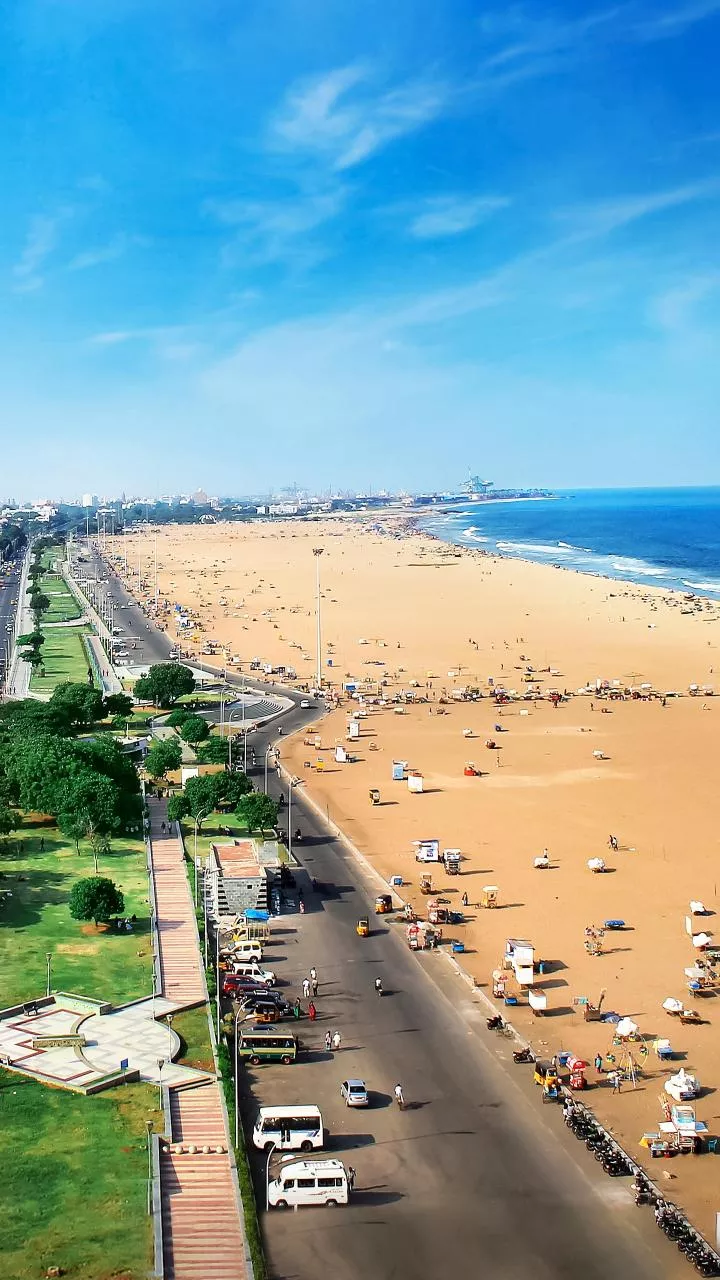
Thiyagarayanagar, commonly known as T Nagar, stands as a dynamic electoral constituency in Chennai, uniquely blending high-traffic retail districts with
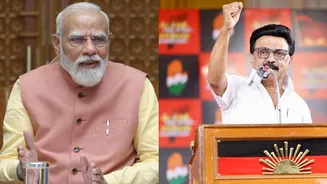
tranquil residential enclaves like Kodambakkam, Ashok Nagar, Vadapalani, and West Mambalam. This area, renowned for its bustling textile markets, shopping avenues, and persistent traffic challenges, has historically reflected the prevailing political sentiment of urban Chennai, frequently alternating between the Dravida Munnetra Kazhagam (DMK) and the All India Anna Dravida Munnetra Kazhagam (AIADMK). The DMK secured a narrow victory in the previous Assembly election, underscoring T Nagar's significance as a pivotal battleground within the city's political landscape.
DMK's Welfare Focus
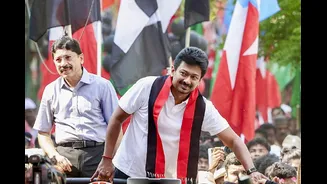
Raja Anbazhagan, the incumbent Member of the Legislative Assembly from the ruling DMK, expresses strong confidence in retaining his seat in T Nagar and anticipates achieving an even larger victory margin this term. He attributes this optimism to the party's successful implementation of electoral promises and the expansion of welfare initiatives. Specifically, he highlights the increase in financial assistance from Rs 1,000 to Rs 2,000 and the distribution of coupons valued at Rs 8,000 for home appliances to eligible households. Anbazhagan confidently predicts a win exceeding 10,000 votes, dismissing notions of anti-incumbency sentiment. He articulates a vision for a 'neat and clean city' for T Nagar and asserts that fringe parties like TVK and NTK pose no significant threat, emphasizing the informed decision-making capacity of the educated electorate in the constituency and the party's internal unity.
AIADMK's Infrastructure Pitch
The AIADMK, aiming to regain control of the T Nagar constituency, is banking on the strength of its alliance and a localized development agenda to appeal to voters. Sathya Narayanan, the AIADMK candidate, conveyed certainty about their electoral prospects, citing the unified front of his party with allies such as the BJP. He contrasted their campaign with that of their rivals, emphasizing a spirit of 'brotherhood'. Narayanan outlined his key priorities, focusing on significant infrastructure enhancements and measures to alleviate congestion. His plans include the renovation of existing bridges, addressing the perennial issue of clogged stormwater drains during monsoon seasons, and tackling encroachments by shops and vehicles that impede public movement and pedestrian accessibility. He also proposed the establishment of night markets to transform T Nagar into a more vibrant entertainment hub.
Voters Prioritize Civic Issues
Beyond the political pronouncements of the candidates, the daily concerns of T Nagar's residents revolve around fundamental civic issues. Long-time inhabitants, particularly in areas like West Mambalam, consistently identify traffic congestion and inadequate parking facilities as paramount problems. Shopkeepers situated near Ranganathan Street draw attention to the challenges posed by encroachments and the need for more effective crowd management strategies. Even first-time voters express a desire for progress coupled with improved civic administration. The recurring themes of stormwater drainage, pedestrian-friendly infrastructure, traffic bottlenecks, and urban planning emerge as central to the electorate's expectations, shaping the core of political parties' visions for the constituency's future.
A Tight Electoral Contest
With the election narrative in T Nagar characterized by the DMK's emphasis on welfare schemes and the AIADMK's promises of infrastructural overhauls, the constituency is poised for another closely contested electoral outcome. Given the historically narrow victory margins observed in past elections, T Nagar remains a keenly watched Assembly constituency within Chennai. The distinct approaches presented by the leading contenders—one focusing on social welfare provisions and the other on tangible urban improvements—create a compelling choice for voters, making the results of this election a significant indicator of political preference in this prominent urban center.