






Kitchen Doors Slam Shut
The aroma of North Indian cuisine at 'Tadka Rani' has been silenced as owner Gagandeep Singh Sapra made the difficult decision to cease operations. His
LPG supply has been completely exhausted, leaving him with no alternative but to halt all cooking. This drastic measure, shared on social media, highlights the severe impact of the ongoing cooking gas crisis on local eateries. While 'Tadka Rani' is offline, Sapra confirmed that his other establishments, 'The Nashta Company' and 'The Meal Combo Box Company,' will continue to serve customers, albeit with a restricted menu, for as long as their existing gas reserves permit. The emotional toll on Sapra is evident as he expressed his regret in having to take his restaurants offline, citing 'Closed due to LPG Shortage' as the reason.
Skyrocketing Prices
The scarcity of Liquefied Petroleum Gas (LPG) cylinders has unfortunately created a fertile ground for black marketeers. According to Sapra, these unscrupulous traders are demanding exorbitant sums for a single cylinder, with prices reportedly exceeding Rs 5,000. This starkly contrasts with the official price of a 19 kg commercial cylinder, which stands at Rs 1,768.50 in the national capital. The widespread discontent and concern about this situation were amplified by online reactions, with many users expressing solidarity and highlighting the dire predicament faced by numerous hotels and eateries, some reportedly having only a few days' stock left. The emerging black market for essential commodities during crises is a recurring theme, drawing parallels to past incidents and raising questions about societal ethics and governance.
Global Ripples, Local Pain
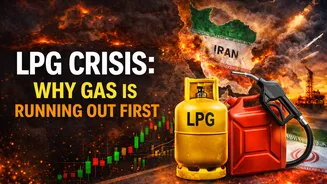
The current LPG crunch is intricately linked to escalating global tensions, particularly in West Asia. Attacks on Iran by the United States and Israel have disrupted vital shipping routes, including the Strait of Hormuz, through which a significant portion of India's LPG imports are transported. This 'butterfly effect' demonstrates how distant geopolitical conflicts can have tangible, immediate consequences on local economies, leading to supply shocks and price hikes. The situation underscores the vulnerability of global supply chains and the need for robust energy security measures. While the government has invoked emergency provisions to boost refinery output and prioritize household consumers, commercial entities like restaurants are bearing the brunt of these disruptions, facing severe difficulties in securing essential cooking gas.
Government's Response
In response to the growing concerns, the Chief Minister’s Office in Delhi has issued a statement assuring residents that fuel supplies, including petrol, diesel, and LPG, remain stable in the capital. The administration urged the public to disregard any rumours regarding a shortage and warned of stringent action against individuals involved in gas theft or illegal black marketing activities. While the central government is working to increase LPG production and has prioritized domestic users, the impact on commercial establishments is significant. Many eateries are resorting to measures such as menu reduction, transitioning to electric appliances, or limiting operating hours to conserve their dwindling gas supplies and mitigate the effects of this critical shortage.