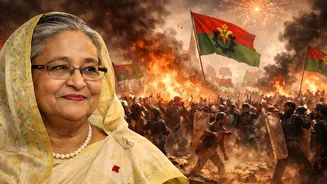






Landslide BNP Victory
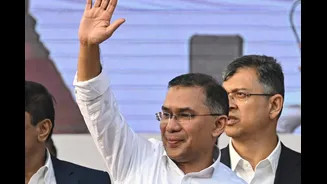
The Bangladesh Nationalist Party (BNP), led by Tarique Rahman, along with its coalition partners Gono Odhikar Porishad and Gono Songhoti Andolon, has decisively
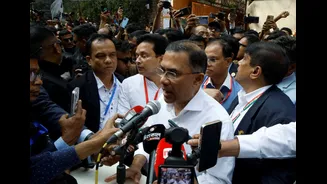
won the 2026 parliamentary elections. Reports indicate a substantial victory, with the alliance securing 211 seats, thereby achieving a significant two-thirds majority in the national parliament. This electoral triumph positions the BNP to form the next government with a strong mandate. In contrast, the Jamaat-e-Islami alliance garnered 70 seats, and other political factions claimed the remaining six. Official results are in for 287 out of the 299 constituencies, underscoring the comprehensive nature of the BNP's win. The party's media cell proudly announced on X its readiness to assume governance following this resounding success, signaling a new chapter in Bangladesh's political narrative after a period of notable shifts in leadership and a preceding national vote that saw considerable youth engagement.
Policy Promises Revealed
With the electoral battle won, the nation's attention now turns to the Bangladesh Nationalist Party's (BNP) proposed policies, which formed the cornerstone of their campaign. A central pledge is the "Family Card" initiative, a program designed to offer monthly financial aid or essential goods to lower-income households. However, economic analysts have raised pertinent questions regarding the funding mechanisms for this ambitious plan, especially given the persistent challenge of extreme poverty affecting millions across the country. Another crucial focus is on youth employment, with the BNP vowing to champion digital innovation, foster entrepreneurship, and create job opportunities tailored to harness the skills of Bangladesh's educated youth, aiming to combat rising unemployment rates. Furthermore, the party committed to advancing a national charter, inspired by the events of the 2024 uprising, which they intend to put forth for a national referendum alongside future electoral processes. This comprehensive approach aims to address both immediate welfare needs and long-term economic development.
Foreign Policy Vision
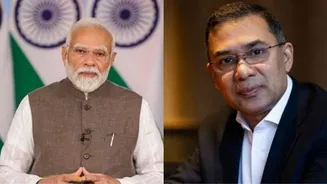
On the international front, the BNP's manifesto articulates a clear foreign policy doctrine encapsulated by the slogan "Bangladesh Before All." This approach emphasizes a proactive engagement with the global community while prioritizing the repatriation of Rohingya refugees, a pressing humanitarian issue. The party also outlined plans to become a signatory to the United Nations Water Convention, a move intended to secure Bangladesh's "fair share" of water resources, particularly in light of ongoing water-sharing disputes with neighboring nations, including the long-standing Teesta River issue with India. The incoming administration faces the considerable task of translating these campaign promises into tangible policies, balancing domestic expectations with the complexities of international relations and regional cooperation. The decisions made by this new government are widely expected to shape Bangladesh's political trajectory and economic future for years to come.