






Trump's Invitation
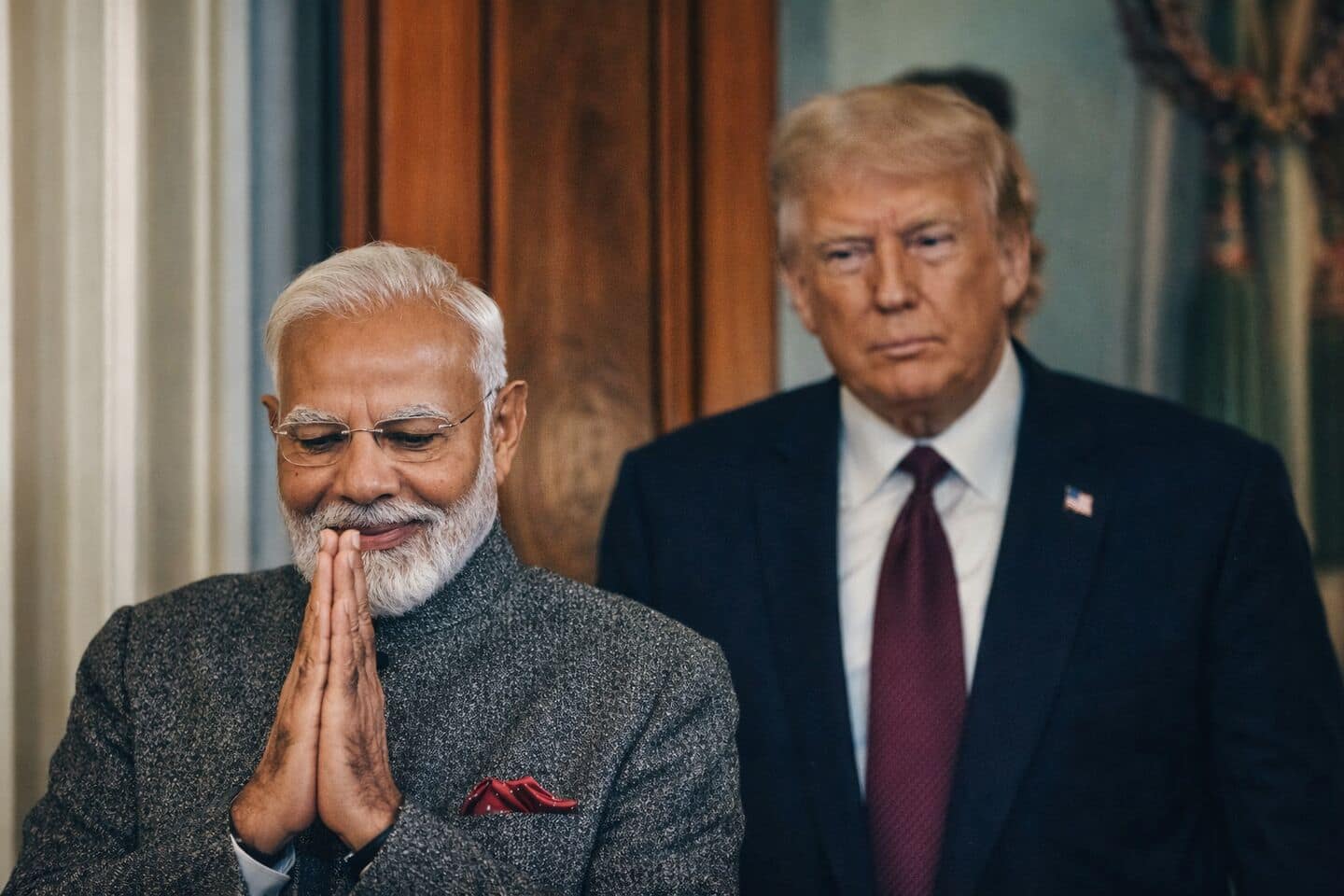
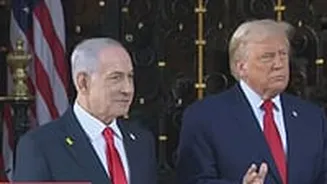
Former US President Donald Trump extended an invitation to India to participate in the 'Board of Peace,' a body designed to manage governance and reconstruction
efforts in the aftermath of the conflict in Gaza. This invitation, communicated to the Indian Prime Minister, was part of Trump's broader 20-point peace plan for the region. The board, initiated on January 15, is envisioned as a potential mechanism to address other international conflicts. The invitation to India reflects its historical ties with both Israel and Palestine, positioning it uniquely in the conflict. India's history of providing humanitarian assistance to Palestine and its strategic partnership with Israel were factors contributing to its invitation to the board.
Board Composition Details
The 'Gaza Executive Board,' as proposed, comprises several key figures. Included are Turkish Foreign Minister Hakan Fidan, UN Middle East peace coordinator Sigrid Kaag, United Arab Emirates International Cooperation Minister Reem Al-Hashimy, Israeli-Cypriot billionaire Yakir Gabay, and officials from Qatar and the United Arab Emirates. The White House indicated that additional members would be announced in the coming weeks, but did not specify the exact responsibilities of each member. The board's structure involves a primary board chaired by Trump, a Palestinian committee of technocrats, and the 'executive board' designed to function in an advisory capacity. This complex structure reflects the multifaceted nature of the peace plan and the involvement of various stakeholders.
India's Unique Position
India's strategic relationship with Israel and its humanitarian assistance to Palestine make it a potentially acceptable participant for both parties. India's historical ties with both Israel and Palestine position it differently from other nations. This acceptance stems from its consistent provision of humanitarian aid to Palestine and its established strategic partnership with Israel. This balanced approach grants India a unique standing within the context of the conflict. This is in contrast to Pakistan, which Israel considers unacceptable for any role in Gaza's future.
Reactions and Concerns
The invitation received mixed reactions globally. While Hungary offered an unequivocal acceptance, other governments responded cautiously. Some diplomats expressed concerns that the initiative could undermine the work of the United Nations. Israel's Prime Minister Benjamin Netanyahu's office stated that the board's composition had not been coordinated with Israel and was inconsistent with its policy, possibly due to the inclusion of Turkish involvement. The relationship between Israel and Qatar also presented potential challenges. The varied responses highlight the complex nature of the Israeli-Palestinian conflict and the diplomatic sensitivities surrounding any peace initiative.
Pakistan's Invitation
Along with India, Pakistan also received an invitation from Trump to join the 'Board of Peace'. However, Israel expressed its opposition to any Pakistani involvement in Gaza's future. This stance underscores the complex geopolitical realities. This adds another layer of complexity to the already tense relations in the region, particularly given the historical animosity between Israel and Pakistan. The conflicting responses from Israel and Pakistan highlight the multifaceted challenges in the quest for peace in the region.