







The Hantavirus Incident
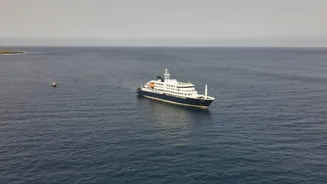
A recent harrowing experience aboard the expedition vessel MV Hondius, which embarked on a luxurious Antarctic journey, has illuminated a persistent concern
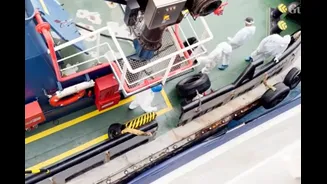
within the travel industry: the alarming speed at which viruses can proliferate on cruise ships. This incident, resulting in multiple fatalities and numerous illnesses among both passengers and crew, brought to the forefront a grim reality of maritime travel. The ship, after departing from Ushuaia, Argentina, had traversed the remote landscapes of Antarctica and the Falklands before its situation became critical off Cape Verde. Health authorities identified hantavirus, a dangerous pathogen typically transmitted through contact with infected rodents, as the likely culprit. The confirmation of two cases and suspicion of others underscored the vulnerability of such expeditions to unfamiliar environmental exposures, prompting a broader discussion on the inherent risks of disease transmission in these confined, mobile communities.
Understanding Hantavirus
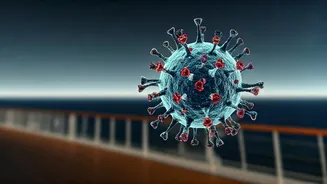
Hantavirus, though uncommon, poses a significant health threat, primarily transmitted through the inhalation of airborne particles from the dried urine, feces, or saliva of infected rodents. Initial symptoms often mimic those of influenza, including fever, generalized aches, and fatigue. However, in more severe instances, it can escalate to Hantavirus Pulmonary Syndrome (HPS), a severe respiratory illness that compromises lung function. Currently, there is no specific cure or preventative vaccine for hantavirus; medical interventions focus on supportive care, oxygen therapy, and vigilant patient monitoring. The suspected exposure on the MV Hondius is believed to have occurred during visits to islands known to harbor rodents, raising questions about the potential for limited human-to-human transmission, although this is less common for hantavirus.
A Floating City's Risk
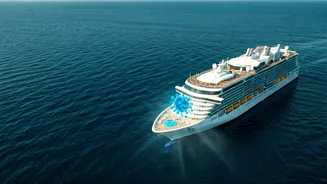
Cruise ships function akin to self-contained, mobile metropolises, housing hundreds, sometimes thousands, of individuals within a limited space for extended periods. Passengers share communal areas such as dining halls, lounges, theaters, and elevators, alongside private cabins, creating an environment where close physical proximity is unavoidable. This continuous close contact creates an ideal breeding ground for infectious agents. Unlike land-based environments where individuals can easily isolate or disperse, the confines of a ship mean that an infected person's movements are restricted to the same ecosystem for days or weeks. The MV Hondius, for instance, carried 149 individuals from 23 different nationalities, and its design, geared towards expedition travel, naturally encourages group activities and shared experiences, further intensifying potential transmission pathways through ventilation systems, frequently touched surfaces, and communal food consumption.
Remote Voyages, Tougher Control
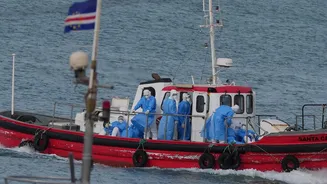
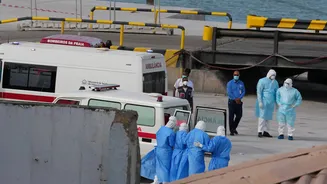
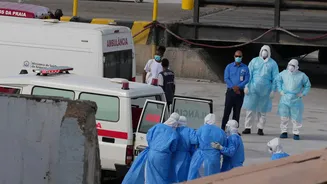
The geographical isolation of cruise ships, particularly those on expeditions to remote locations like Antarctica, significantly complicates the management of disease outbreaks. The MV Hondius's voyage through sparsely populated regions meant that accessing advanced medical facilities and emergency services was a major hurdle. When passengers began exhibiting symptoms, immediate, comprehensive care was difficult to procure. A British passenger requiring intensive care had to be airlifted to South Africa, and three other suspected cases were eventually transferred to the Netherlands via Cape Verde with international coordination. Unlike urban settings, ships possess limited medical capabilities, and severe infections demanding specialized care can rapidly become life-threatening when critical medical support is days away, drastically reducing survival prospects for conditions that progress swiftly, such as HPS.
A History of Onboard Illnesses
The cruise industry has a long-standing history of grappling with infectious disease outbreaks, predating the COVID-19 pandemic. Norovirus, a highly contagious stomach virus, has frequently led to widespread illness on liners due to easy transmission in shared dining and restroom facilities. However, the COVID-19 pandemic brought these vulnerabilities into sharp global focus. Notable incidents include the Diamond Princess outbreak in 2020, where over 700 individuals contracted COVID-19, leading to 13 deaths, despite quarantine measures. The Ruby Princess incident in Australia was linked to over 900 cases and contributed to community spread. Even river cruises have experienced clusters, highlighting that the fundamental issue remains consistent: once a pathogen enters a ship, containment becomes exceedingly challenging, regardless of the disease.
Shared Spaces, Shared Risk
Cruise ships rely heavily on interconnected infrastructure that facilitates the circulation of air and shared use of surfaces, creating multiple avenues for pathogen transmission. Recirculating ventilation systems can distribute airborne viruses throughout enclosed spaces, while communal dining areas and buffet services increase contact with utensils and serving areas. Common touchpoints like elevator buttons, railings, and door handles are frequently used by hundreds of people daily. Thorough disinfection during an active outbreak presents considerable challenges, as some viruses can persist on surfaces for extended durations, and the constant movement of passengers makes comprehensive sterilization difficult. During the MV Hondius incident, passengers were reportedly confined to their cabins as part of containment efforts, with medical teams providing assistance and the ship subsequently heading to the Canary Islands for further sanitization.