





Surge in Storage
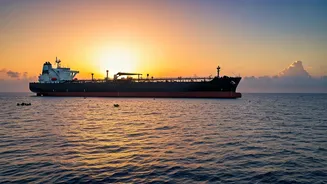
Recent data has illuminated a significant uptick in the amount of Iranian crude oil being stored at sea. This represents an all-time high, painting a picture
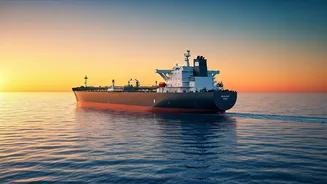
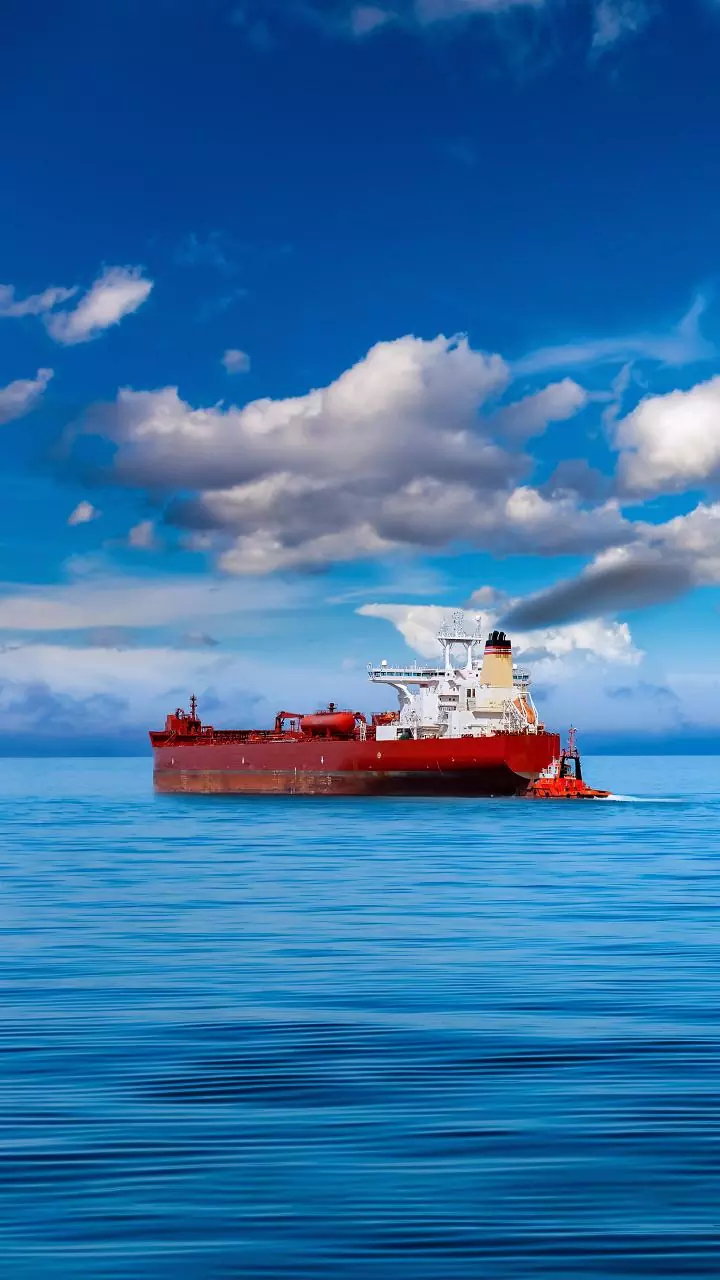
of a nation grappling with a complex set of challenges. Several factors have converged to create this scenario. A primary driver behind this rise is the stringent international sanctions that have been placed on Iran's oil industry. These restrictions limit the country's access to traditional export markets, leading to an oversupply of oil that needs a place to be stored. Consequently, Iran has turned to floating storage as a temporary solution. Supertankers and other vessels are deployed to hold massive volumes of crude oil, awaiting more favorable conditions for sale and distribution. This strategy is costly and comes with its own set of logistical hurdles.
Geopolitical Pressures
At the heart of Iran’s oil storage predicament lie a complex web of geopolitical tensions. The imposition of international sanctions has made it exceedingly difficult for Iran to trade its oil on the global market. These sanctions, primarily orchestrated by the United States, aim to curb Iran's nuclear program and limit its regional influence. As a result, many countries and companies are hesitant to purchase Iranian oil. This creates a bottleneck in the supply chain, as oil production continues while export opportunities diminish. Moreover, the uncertainty surrounding these sanctions and the potential for further restrictions adds to the volatility. The fluctuating political landscape and ongoing negotiations surrounding Iran's nuclear program play a significant role. These factors influence market perceptions, impacting demand and contributing to the decision to store oil at sea in hopes of improved future prospects.
Sanctions Impact
The impact of sanctions on Iran's oil storage is multi-faceted. The main implication is a drastic reduction in export volumes, since many nations and international firms fear repercussions from dealing with Iranian oil. This forces Iran to find alternative storage solutions, and the sea becomes a readily available option. Storing oil at sea allows Iran to hold onto its valuable resource until restrictions are lifted. The economics of such storage, however, are far from simple. Floating storage incurs significant costs. There are expenses related to vessel chartering, insurance, maintenance, and security. There are also risks associated with storing large volumes of crude oil on the high seas. This includes potential leaks, environmental hazards, and geopolitical risks. The ongoing costs associated with storing the oil become a strategic decision to weigh against the potential for future sales.
Market Dynamics
The accumulation of Iranian oil in floating storage also affects the dynamics of the global oil market. The presence of these substantial stockpiles can lead to oversupply, especially if and when sanctions are eased or lifted, and this oil is released into the market. This can depress global oil prices, creating economic consequences for oil-producing nations, including those within the Organization of the Petroleum Exporting Countries (OPEC). Furthermore, the knowledge that such a large supply of oil is available can create price volatility. Traders and investors closely monitor developments related to Iranian oil and sanctions. Any change in the political climate or potential adjustments to sanctions policies can lead to rapid price fluctuations. The market is also sensitive to the potential for these stored reserves to be used as a bargaining chip in negotiations, making the situation even more complicated and creating uncertainty for producers and consumers.
Future Outlook
Looking ahead, the future of Iran's oil storage at sea remains closely tied to the international political environment. If sanctions are relaxed or lifted, Iran will likely seek to sell its stored oil and increase production to capitalize on renewed market access. Conversely, if sanctions remain in place or are tightened, the trend of oil storage is likely to persist. The ongoing negotiations regarding Iran's nuclear program will continue to be a pivotal factor. Any progress in these talks could lead to a shift in policy, influencing the global oil market. Another significant consideration is the capacity of storage facilities. While floating storage is a viable short-term solution, its limitations will eventually influence Iran’s decisions. The overall picture suggests a dynamic situation. Various factors are constantly changing. These developments will undoubtedly shape Iran’s oil strategies in the coming years and significantly influence the broader energy landscape.