





Fueling Test Challenge
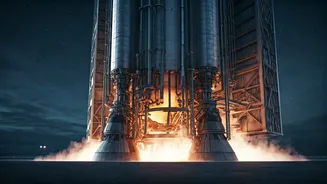
During a crucial 'wet dress rehearsal' aimed at simulating the final stages before launch, NASA's formidable Space Launch System (SLS) rocket encountered
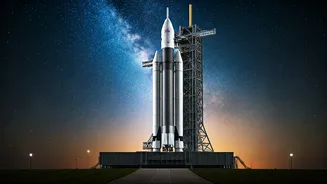
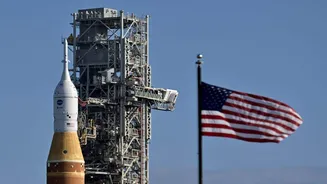
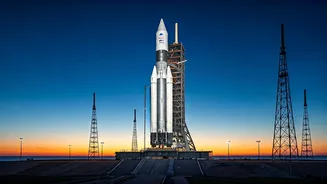
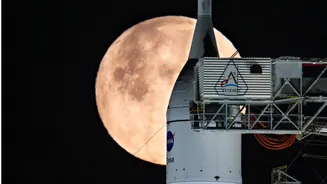
an unexpected issue. As the massive 322-foot (98-meter) rocket began its loading process with over 700,000 gallons (2.6 million liters) of super-cold liquid hydrogen and oxygen at Kennedy Space Center, an elevated level of hydrogen was detected. This anomaly, observed near the rocket's base, necessitated a pause in the fueling operation, leaving the core stage only half-full. The mission control team swiftly initiated troubleshooting procedures, drawing on experience from a previous SLS launch that also faced hydrogen leaks. The astronauts selected for this historic mission—three Americans and one Canadian—observed this vital practice run from approximately 1,600 kilometers away in Houston, awaiting the outcome of this critical dress rehearsal. The success of this fueling test is paramount to determining the launch date, which is currently eyed for as early as Sunday, provided the test concludes without further issues and within NASA's tight launch window, which extends until February 11th before shifting to March due to limited launch opportunities and recent delays caused by a cold snap.
Artemis II: The Lunar Mission
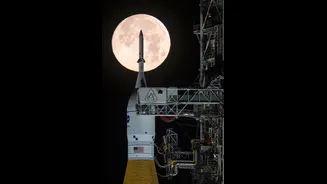
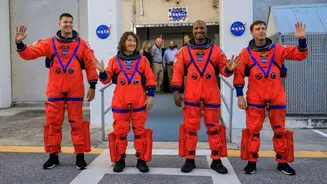
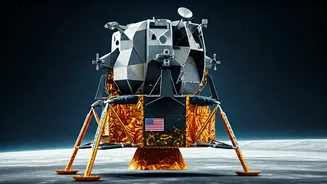
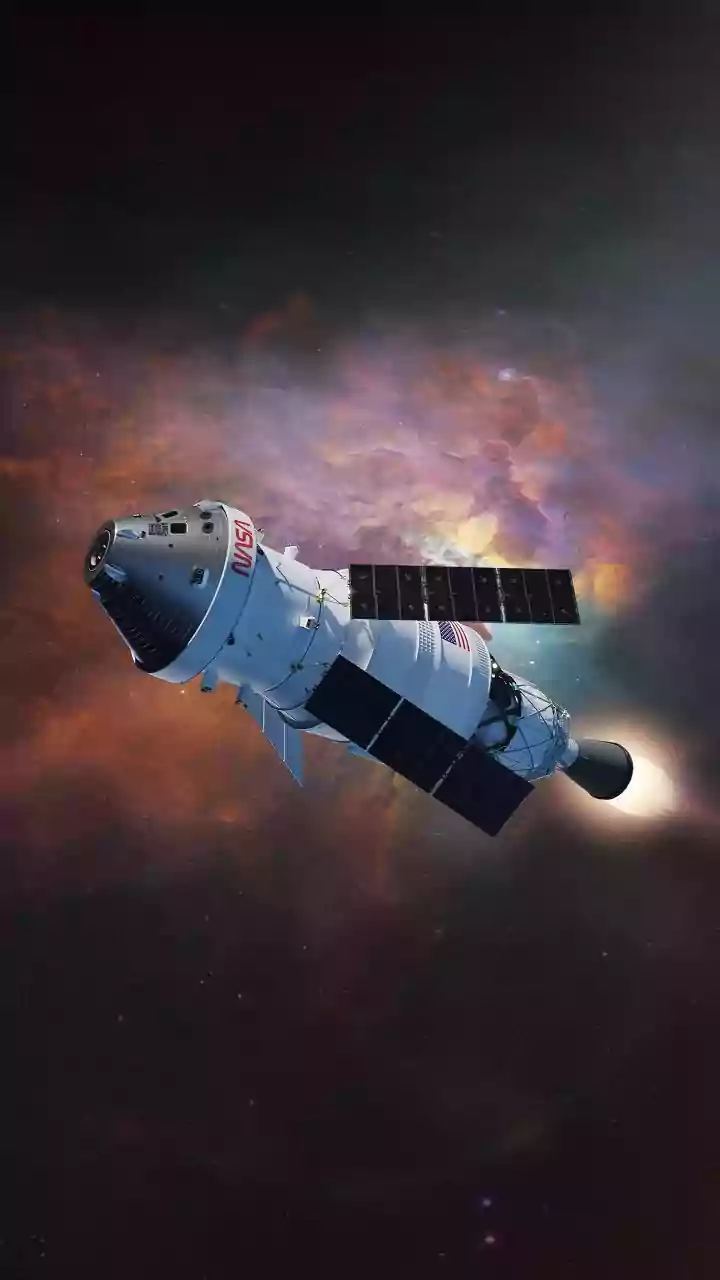
Artemis II represents a monumental step in NASA's ambitious Artemis program, marking the first time in over fifty years that humans will venture beyond Earth's orbit towards the Moon. This mission, scheduled for February 2026, will carry four astronauts—Commander Reid Wiseman, Pilot Victor Glover, Mission Specialist Jeremy Hansen, and Mission Specialist Christina Hammock Koch—aboard the Orion spacecraft, propelled by the powerful SLS rocket. The 10-day journey will not involve a lunar landing but will see the crew orbit the Moon, conduct a flyby of its far side using a free-return trajectory, and then safely return to Earth. This flight is designed to test and validate the critical systems of the Orion spacecraft, including its life support, navigation, and deep-space operational capabilities with astronauts on board. Building upon the success of the uncrewed Artemis I mission in 2022, Artemis II is an essential precursor to future lunar landings, such as those planned for Artemis III, and lays the groundwork for eventual human missions to Mars, signifying a sustained presence beyond low Earth orbit.