





Embrace Winter Workouts
Winter often brings with it a dip in outdoor activity. The cold temperatures and shorter days can make it challenging to maintain an exercise routine.
Fortunately, resistance bands offer a convenient and effective solution for staying fit without leaving the comfort of your home. These bands are lightweight, portable, and come in various resistance levels, making them suitable for all fitness levels, from beginners to experienced athletes. They're a fantastic way to target specific muscle groups and provide a full-body workout. Incorporating resistance bands into your routine can help you maintain or even enhance your fitness levels throughout the colder months, combating winter stiffness and keeping you energized. So, whether you're trying to stay active or preparing for spring, resistance bands offer a practical approach.
Band Variety Unveiled
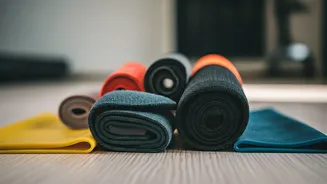
The market boasts a wide selection of resistance bands, each designed for different purposes and preferences. The first type includes the flat resistance bands, sometimes called loop bands. These are generally inexpensive and versatile for exercises focusing on lower body strength and mobility. Next are tube resistance bands, which often have handles, allowing for a wider range of exercises targeting both upper and lower body muscles. They frequently offer greater comfort and ease of use, especially for those new to resistance training. There are also fabric resistance bands. These are usually wider and often used for glute and hip exercises. They offer a higher level of resistance and are known for their durability. Lastly, there are mini bands, small loop bands ideal for targeting smaller muscle groups and improving stability. Choosing the right type depends on your individual fitness goals, the exercises you prefer, and the level of challenge you're seeking. Experimenting with different band types can help determine which best complements your workout routine.
Band Benefits Examined
Resistance bands present many advantages that make them a valuable addition to any fitness regimen. First and foremost, they provide adaptable resistance, letting you personalize your workout to your current fitness level. Bands are also incredibly portable, enabling you to exercise virtually anywhere, whether at home, at the office, or while traveling. They’re known for their effectiveness in improving muscle strength and endurance by providing constant tension throughout the exercise, which activates more muscle fibers. Unlike weights, resistance bands are gentle on your joints, reducing the risk of injuries. They’re excellent for physical therapy and rehabilitation exercises, helping to recover from injuries while building strength. Furthermore, resistance bands are a cost-effective alternative to expensive gym memberships or bulky equipment. With these bands, you can effectively work out major muscle groups, enhancing both strength and flexibility, and making them a perfect complement for any exercise plan.
Exercise Essentials Explained
Effective workouts with resistance bands necessitate the correct execution of exercises. Start with basic exercises such as squats, bicep curls, and lateral walks to build a foundation. Squats are an excellent lower-body workout when you use a band around your thighs. Perform a squat while maintaining a straight back, ensuring your knees don’t go past your toes. For bicep curls, stand on the center of the band and curl the handles up towards your shoulders, focusing on controlling the movement. Lateral walks, done by placing a band around your ankles and taking steps to the side, helps strengthen the glutes and hips. As you gain strength, modify these exercises by adding more reps or using bands with increased resistance. Remember to maintain proper posture and control throughout each exercise to prevent injuries. Regularly vary your exercises to target different muscle groups and prevent plateaus. Consistent practice, coupled with a well-rounded exercise plan, will help to achieve desirable results.
Workout Routine Suggestions
Creating a structured workout routine using resistance bands can further enhance your fitness journey. Consider beginning with a warm-up, like some dynamic stretches, for 5-10 minutes. This will prepare your muscles for the exercises. Then, focus on compound movements like squats, lunges, and rows, using different bands for appropriate resistance. Follow this with isolated exercises targeting specific muscle groups, such as bicep curls and tricep extensions. Aim for 3 sets of 10-15 repetitions per exercise, adjusting the resistance of the band to match your capabilities. Allow for a rest period of 30 to 60 seconds between sets. Incorporate exercises that work your core and promote stability. Finish with a cool-down session that includes static stretches to improve flexibility. Regularly adjust your workout plan based on your progress and aim to incorporate variety to avoid boredom and target different muscles. Remember that consistency is key; sticking to your plan ensures you see results.
Safety and Precautions
While resistance bands are versatile and safe, it is important to take certain precautions. Always inspect the bands before each use for any signs of wear and tear, such as cracks, tears, or fraying. Discard any damaged bands to avoid the risk of snapping during exercise, which could cause injury. Ensure that the bands are securely anchored to a stable object or that you have proper footing if using them without an anchor. Use the right resistance level, starting with a lower level and gradually increasing as you get stronger to minimize the risk of muscle strain. Maintain control during each exercise, avoiding sudden movements that can put excess stress on your muscles and joints. Focus on proper form throughout your exercises to get the most benefit while reducing the risk of injuries. Consult with a fitness professional to get personalized guidance and to tailor your exercise to meet your specific health requirements and exercise abilities. A cautious approach ensures you can maximize the benefits while minimizing potential risks.
Choosing the Right Bands
Selecting the right resistance bands involves considering a few key factors to meet your requirements. Determine your current fitness level and choose bands with corresponding resistance levels. Beginner bands will have lighter resistance, which will make it easier to execute each exercise. Look for bands made of high-quality, durable materials, usually latex or fabric, to withstand repeated use. Some brands offer a wide range of resistance levels in the same set, so you can increase the intensity as you grow stronger. Read customer reviews and check the bands' warranty before purchasing to ensure they meet your expectations. Consider sets that include different types of bands, like loop bands, tube bands, and mini bands, to provide a variety of exercise options. Look for bands with comfortable handles or designs that prevent slipping during workouts. A set with various resistance levels and versatile designs will allow you to work different muscles and create a personalized workout plan.
Maintenance and Longevity
Proper care and maintenance of your resistance bands will extend their lifespan and ensure their safety. After each use, wipe down the bands with a damp cloth to remove sweat, dirt, and any residue. Store the bands in a cool, dry place, away from direct sunlight and extreme temperatures, which can degrade the material. Avoid storing the bands with sharp objects that could cause cuts or tears. Regularly inspect the bands for any signs of wear, such as cracking, tearing, or stretching. Replace your bands if you notice any signs of damage. Do not stretch bands beyond their recommended limit, as this can lead to premature wear. Periodically clean your bands with mild soap and water, ensuring they are thoroughly dry before storage. By following these maintenance tips, your resistance bands will stay in excellent condition, ensuring their effectiveness and promoting a safe, sustained workout routine.