





The 'Petri Dish' Phenomenon
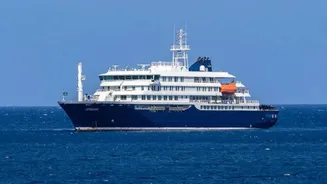
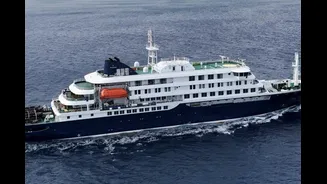
Cruise ships have earned the unenviable reputation of being 'petri dishes' due to their enclosed nature, which facilitates the rapid spread of infectious
diseases. Long before the global pandemic of 2020, and even before the recent Hantavirus cluster in 2026, these floating resorts were known hotspots for outbreaks. The close proximity of passengers and crew, combined with shared dining areas and high-touch surfaces, creates an ideal environment for viruses to thrive and disseminate quickly. This inherent vulnerability means that a single case can quickly escalate into a significant health concern for everyone on board, transforming a holiday into a potential crisis. The industry has grappled with this challenge for years, as evidenced by recurring incidents involving common pathogens that continue to pose a substantial risk.
Norovirus: The Persistent Threat
For many years, Norovirus has been the most commonly associated illness with cruise ship outbreaks. This highly contagious gastrointestinal virus thrives in environments where many people share enclosed spaces, such as the dining rooms and communal areas of a cruise liner. While cruise ship cases represent a small fraction of total global Norovirus infections, their impact and visibility are significant, drawing close scrutiny from health authorities. A recent incident on the Caribbean Princess saw over 100 passengers and crew fall ill during a 13-night voyage, a stark reminder of the bug's enduring potency. In early 2020, the same vessel experienced another significant Norovirus outbreak across two trips, affecting more than 400 individuals, demonstrating that even as new threats emerge, established pathogens remain a formidable challenge to onboard hygiene protocols.
Diamond Princess: A Pandemic's Shadow
The Diamond Princess became a grim symbol of the early stages of the COVID-19 pandemic in February 2020. After a single passenger tested positive, the ship was placed under quarantine off the coast of Yokohama, Japan. However, the strategy of keeping everyone confined to the vessel proved disastrous. The virus exploited the ship's ventilation systems and passageways, spreading rapidly and ultimately infecting 712 of the 3,711 individuals on board. With 14 fatalities and an infection rate of approximately 20%, the Diamond Princess provided a chilling global demonstration of how swiftly an airborne virus can propagate within a confined environment, highlighting critical failures in containment and public health response during a novel outbreak.
Ruby Princess and Nile River Woes
While the Diamond Princess illustrated the perils of a flawed quarantine, the Ruby Princess incident in Australia served as a cautionary tale about critical timing and decision-making. In March 2020, over 2,600 passengers were disembarked in Sydney before their COVID-19 test results were finalized. This decision led to the ship being linked to more than 900 confirmed cases and 28 deaths, effectively seeding the virus into the wider Australian community. The risks are not confined to large ocean liners; even the more intimate setting of a riverboat proved susceptible. A cluster of 45 cases on the MS River Anuket navigating the Nile River demonstrated that smaller, enclosed travel environments also pose significant contagion risks, underscoring the universal vulnerability of such settings.