








Shared Sense of Strain
The author recounts a conversation with an old friend that quickly gravitated towards shared feelings of fatigue, the weight of everyday responsibilities,
and a general sense that life's pace has become unduly burdensome. This mutual recognition of a peculiar, year-long shift, devoid of dramatic events, highlights an underlying societal malaise. The experience revealed a shared, unspoken understanding of the mental clutter and overwhelming sensations many are experiencing, prompting a deeper reflection on its prevalence and causes beyond mere personal inadequacy.
Ubiquitous Distraction
Further observations revealed this feeling of being overwhelmed wasn't isolated. Various individuals confessed to experiencing heightened distractibility, an inability to concentrate for extended periods, and a persistent sense of exhaustion unrelated to physical exertion. This widespread complaint suggested a systemic issue rather than individual shortcomings. The author uses the personal experience of their mother's fractured hand, a situation requiring significant logistical management, as a backdrop to illustrate the almost compulsive tendency to retreat into digital distractions, like scrolling through social media, even when not actively seeking engagement or enjoyment, leading to a 'woolliness of the mind'.
Digital Coping Mechanism
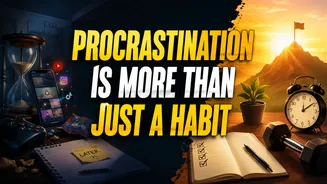
The compulsion to scroll through social media platforms like LinkedIn and Instagram, consuming fragmented content without real absorption, is examined as more than just a consequence of addictive technology. While acknowledging the engineered nature of these platforms, the author posits a more uncomfortable truth: this digital engagement serves as an escape from confronting internal disquiet. Instead of allowing worry to foster introspection, which was a historical coping mechanism involving focused thought or long walks, individuals now readily deploy the vast digital universe to interrupt discomfort, leading to a state of exhaustion despite comfortable living conditions. This constant switching between emotional registers—from professional updates to global conflicts and personal anecdotes—prevents the mind from settling or resolving issues, akin to opening countless browser tabs that remain unresolved.
The Illusion of Functionality
Despite the internal chaos, outward appearances often remain intact. We continue to perform daily duties, meet professional obligations, and maintain social interactions, creating an illusion of normalcy and coping. This functional facade leads many to believe the issue lies with their personal capacity to handle life's demands. However, the article argues that this 'normal' is deceptive; the current state of affairs, characterized by cognitive and emotional overload, is not an ordinary aspect of life. The author concludes that what may appear as 'being overwhelmed' is, in essence, the gradual erosion of our capacity for undistracted thought and presence, a silent depletion of our mental resources.