






Temperature Extremes Unveiled
The harsh weather conditions have caused temperatures to drop significantly across Jammu and Kashmir (J&K) and Ladakh. Shopian bore the brunt of the cold,
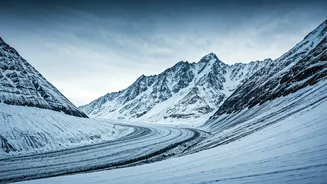
recording a frigid -8.2°C. Drass, known for its extreme climate, experienced the most severe conditions, with temperatures plunging to a staggering -24.6°C. These temperatures reflect the intensity of the cold wave gripping the region. The impact of these freezing temperatures is far-reaching, affecting daily life and causing a range of challenges for residents. The freezing of the Dal Lake is a direct consequence of the persistent sub-zero temperatures. These cold conditions not only affect daily routines but also pose health risks, particularly for vulnerable populations. The details reveal the specific extent of the cold in the region, offering a clear view of the weather's impact.
Impact and Consequences
The extreme cold has several significant impacts on the affected regions. Firstly, the freezing of Dal Lake is a notable visual testament to the severity of the weather, which disrupts the daily lives of people living nearby. These extremely low temperatures pose substantial health risks, especially for the elderly, children, and those with pre-existing health conditions. The cold can lead to hypothermia and other cold-related illnesses. Daily activities become difficult, and people must take extra precautions to stay warm and safe. Moreover, this extreme cold puts stress on infrastructure. Water pipes are at risk of freezing and bursting, and electricity grids may face higher demand as people use heating. Addressing these consequences requires concerted efforts, including providing adequate shelter and medical support, and ensuring that essential services continue to function despite the adverse weather conditions.
Regional Climate Overview
The climates of J&K and Ladakh are distinct, marked by dramatic seasonal variations. Jammu typically experiences milder winters compared to the higher altitudes of Ladakh. The current cold wave has intensified the existing challenges. Ladakh, known for its high-altitude desert climate, regularly witnesses extreme cold, but the intensity can vary. Drass, located in Ladakh, is often referred to as one of the coldest inhabited places globally, and the -24.6°C recorded further highlights its harsh climate. These temperature fluctuations are a natural part of the region's climate. However, the current conditions serve as a reminder of the need for preparedness and adaptation to extreme weather events. Understanding the specifics of each region’s climate is essential for creating effective strategies for managing the impacts of this cold wave and future climate patterns.
Dealing with the Cold
Residents of J&K and Ladakh must take several measures to cope with the severe cold. Staying indoors as much as possible is important to minimize exposure to the cold. Wearing warm clothing, including layers, hats, gloves, and scarves, is essential for maintaining body heat. Adequate heating is crucial, so proper insulation in homes and the use of heating devices are highly recommended. Additionally, it is important to stay informed about weather updates and heed warnings issued by local authorities. Ensuring a balanced diet and staying hydrated can help the body cope with the challenges posed by cold weather. Providing support to vulnerable populations, such as the homeless or elderly, is also essential, offering them shelter, food, and medical assistance. These precautions are crucial for protecting health and ensuring safety during the ongoing cold wave.