
Festive Preparations
Makar Sankranti is a vibrant festival marked by joyous celebrations, and food plays a central role. During this time, families and friends come together
to share meals, creating lasting memories. The tradition of preparing special snacks is integral to the festive spirit, symbolizing abundance and happiness. These snacks are not just food; they are expressions of culture and heritage. The act of cooking and sharing these treats fosters a sense of community and strengthens bonds among loved ones. The selection of ingredients often reflects regional preferences, adding variety and uniqueness to the celebrations, ensuring that the essence of Makar Sankranti is celebrated with flavorful delights.
Sweet Delights
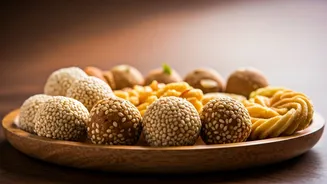
Sweet dishes are a staple during Makar Sankranti. The most popular ones include *Til Ladoo* and *Gur Para*. Til Ladoo, made with sesame seeds and jaggery, is a traditional sweet. Its preparation involves roasting sesame seeds, melting jaggery, and combining the two to form small, delicious balls. Gur Para is another favorite, a crispy, sweet snack, made by deep-frying flour-based dough and then coating it in a sugar syrup. This dish provides a delightful crunch and sweetness. The preparation of these sweets is often a family affair, with everyone participating in the process. The act of making these sweets together adds to the festive cheer.
Savory Treats
Alongside sweets, savory snacks are also a prominent part of the Makar Sankranti feast. *Namak Para* and *Shankarpali* are common savory treats. Namak Para is a savory, crispy snack, made from deep-fried dough seasoned with salt and spices. Its preparation involves mixing flour with salt, spices, and oil, then frying the dough until golden brown. Shankarpali is a similar snack but is often slightly sweeter. These snacks provide a balanced flavor profile, complementing the sweetness of other dishes. They are perfect for serving with tea or as a quick bite throughout the day. The preparation of these snacks can also be a communal activity, with families working together to prepare large batches.
Easy Recipes
The beauty of Makar Sankranti snacks lies in their simplicity and ease of preparation. Many recipes are designed to be quick and straightforward, allowing home cooks to easily create festive treats. Recipes often use readily available ingredients, making them accessible to everyone. The focus is on quality ingredients and simple techniques. Even beginners can try their hands at these recipes with confidence. This accessibility ensures that anyone can participate in the festive cooking. The easy recipes bring the joy of cooking and celebrating together, allowing everyone to enjoy the festivities.
Regional Variations
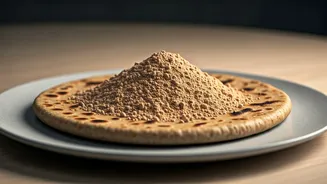
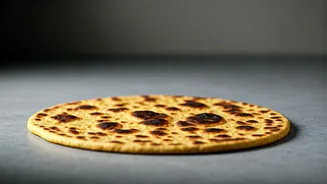
The snacks prepared for Makar Sankranti vary significantly across India. In some regions, *Puran Poli* is a popular choice. It is a sweet flatbread stuffed with a sweet lentil filling, representing the regional flavors and traditions. In other areas, the focus might be on *chikki*, a brittle made from peanuts or sesame seeds and jaggery. The diversity in recipes showcases the cultural richness of the festival. This diversity reflects the diverse tastes and preferences. Such regional variations highlight the beautiful mosaic of India's culinary traditions. This allows everyone to have a unique experience during the festival, adding to its celebratory spirit.
Healthy Twists
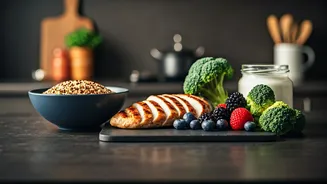
While traditional recipes are delicious, there's also room for healthier versions. Replacing refined sugar with jaggery is a common practice. Many people also opt for incorporating whole grains and nuts. These modifications allow for enjoying the festive treats without compromising on health. Including ingredients like oats, seeds, and dried fruits adds nutritional value to the snacks. These adaptations ensure that everyone can enjoy these treats. The ability to modify recipes also means that families can tailor the snacks to fit their dietary needs. This adaptability makes them enjoyable for everyone.
Serving Suggestions
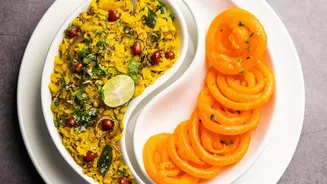
Presenting snacks in an appealing way enhances the celebratory feel. Arrange the sweets and savories on platters. Serve with hot beverages like chai or coffee, adding warmth to the festive gathering. Garnish with nuts, seeds, or a drizzle of honey, enhancing their visual appeal. Grouping snacks according to flavor profiles, such as sweet and savory, can enhance the experience. The presentation of the food is part of the festive celebration. These serving suggestions are all about making the Makar Sankranti experience memorable. It shows how much care goes into making the festival special.
Sharing Traditions
Makar Sankranti is more than just a celebration; it's a chance to continue and pass down traditions. Sharing recipes with younger generations is a crucial way to keep these customs alive. Engaging children in the cooking process is a great way to help them learn about their cultural heritage. Sharing stories associated with the snacks adds an extra layer of meaning to the celebration. Encouraging this transfer of knowledge from one generation to the next ensures the survival of these traditions. The focus is always on making memories and strengthening connections with families. Such traditions strengthen community bonds.