


Bump Basics Revealed
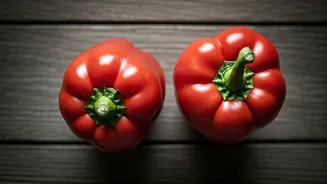
Nauheed Cyrusi shared a fascinating kitchen insight: the number of bumps on a capsicum can be a clue to its flavour profile. While not a definitive scientific
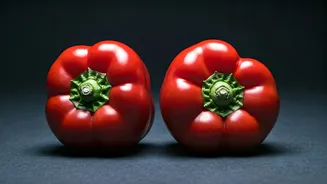
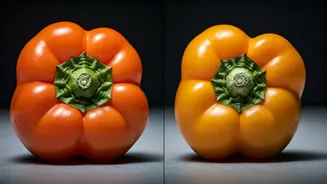
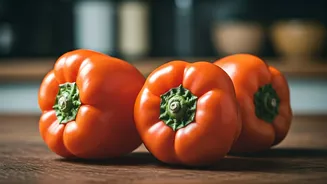
rule, the common understanding is that a capsicum with four distinct bumps tends to be sweeter. This sweetness makes it a prime candidate for raw consumption, such as in vibrant salads. Conversely, capsicums featuring three bumps are generally less sweet and possess a firmer texture, making them more suitable for cooking applications where their structure can withstand heat. This distinction helps home cooks make more informed choices when selecting this versatile vegetable for various dishes.
Culinary Science Explained
Nutritionist Ashlesha Joshi elaborates on the factors influencing capsicum sweetness, noting that while bumps are a popular guide, natural sugar concentration and ripeness play more significant roles. However, she acknowledges the trend: four-lobed capsicums often exhibit greater sweetness due to potentially thicker walls and higher sugar accumulation, possibly from increased sun exposure during growth. This contributes to their mild, pleasant flavour, ideal for salads. In contrast, three-lobed varieties are typically firmer and have a more pronounced, slightly bitter taste. Their denser composition makes them excellent for cooking methods like stir-frying, grilling, or sautéing, as they maintain their integrity under heat.
Nutritional Insights
When it comes to nutritional value, Joshi clarifies that there's no scientifically established difference in nutrient content solely based on the number of lobes. Both three- and four-bump capsicums are rich sources of vitamin C, potent antioxidants like beta-carotene, and essential dietary fibre. The key determinants of nutritional richness and flavour are actually the capsicum's ripeness and colour. For instance, red and yellow capsicums typically boast higher antioxidant levels and a sweeter taste compared to green ones, irrespective of their bump count. Therefore, focusing on colour and firmness is just as, if not more, important than the bump pattern for health and taste.
Cooking and Sweetness Transformation
The application of heat significantly alters a capsicum's flavour profile. Cooking processes work to break down natural sugars and soften the cell walls, which in turn reduces any inherent bitterness and amplifies the sweetness. Joshi explains that for capsicums that are already naturally sweet, like the four-bump varieties, cooking can deepen their caramelised notes, adding complexity to dishes. For the firmer, slightly more bitter types, heat is instrumental in mellowing out sharp flavours, rendering them more palatable and enjoyable in cooked meals. This transformation allows cooks to adapt the capsicum's taste to suit a wide array of culinary objectives.
Picking the Perfect Pepper
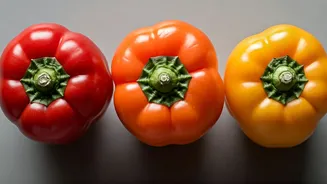
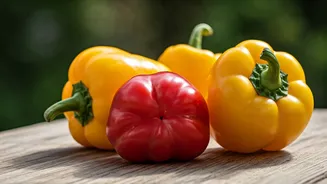
Beyond the bump count, visual cues like colour offer a reliable method for selecting the best capsicum. Green capsicums, being less ripe, tend to have a slightly bitter edge, whereas yellow, orange, and red varieties indicate full ripeness and a naturally sweeter taste. Always look for a capsicum with a glossy, firm surface; this is a strong indicator of freshness and a good nutrient content. So, the next time you’re planning your culinary creations, let the number of bumps guide your choice: opt for four bumps for raw, sweet applications, and three bumps for cooked dishes where their robust flavour and texture shine.